 Tuesday, October 27, 2026
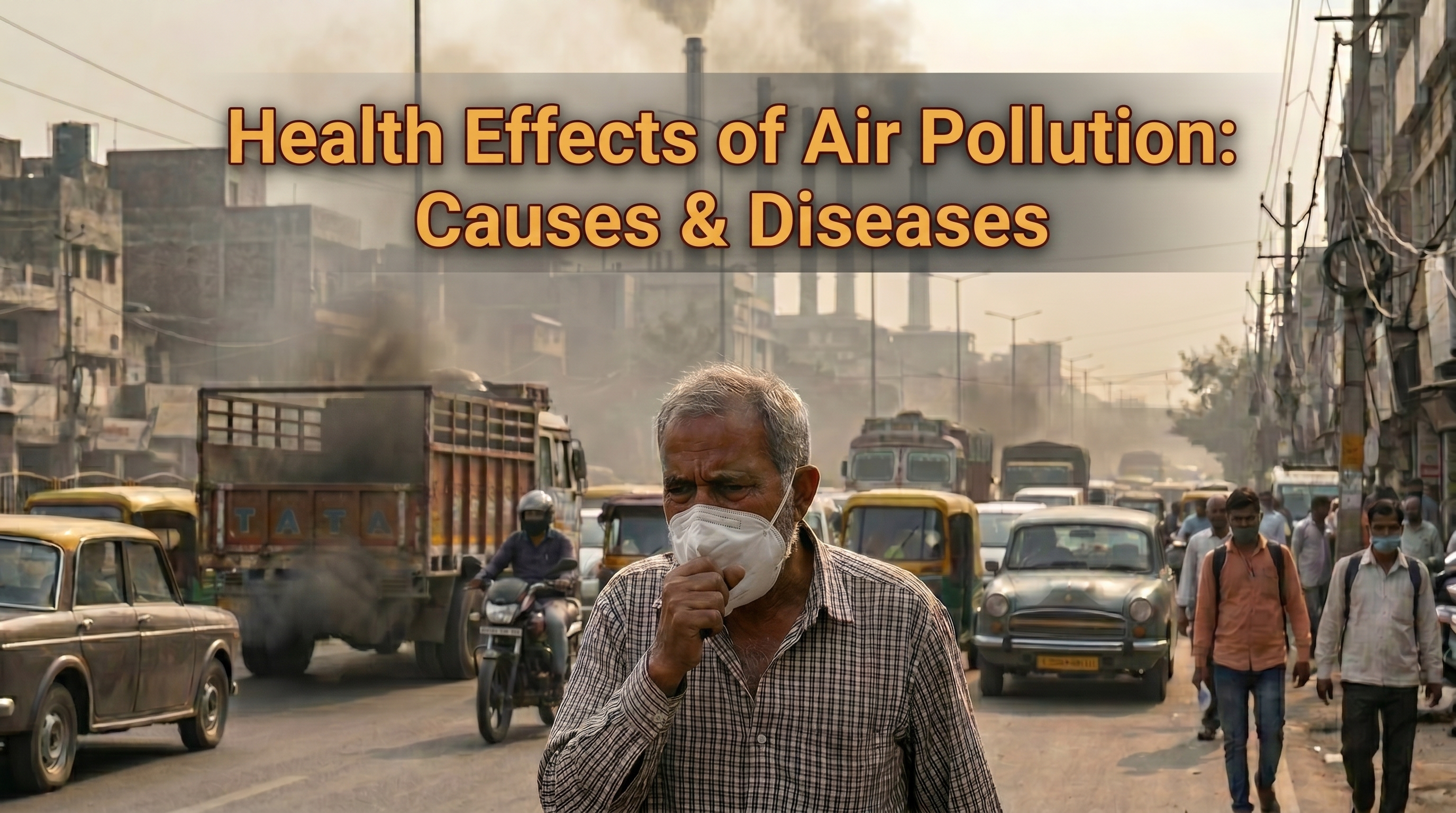
 Health effects of air pollution are increasingly visible in everyday life, affecting breathing, energy levels, and long-term well-being. Understanding the effects of air pollution on human health helps individuals make informed lifestyle and environmental choices.




The Reality of Air Pollution in Everyday Life
The health effects of air pollution are no longer limited to industrial areas or heavily polluted cities. Today, even moderate levels of pollution can influence daily health. From traffic congestion to indoor pollutants, exposure happens more often than people realize.
For example, a person commuting through heavy traffic may experience throat irritation or mild headaches. Similarly, someone working in an office with poor ventilation might feel fatigue without understanding that air pollution affect health even indoors.
The impact of air pollution on human health is cumulative. It builds slowly, often going unnoticed until symptoms become persistent or chronic.
Causes and Effects of Air Pollution
Major Sources of Air PollutionUnderstanding the causes and effects of air pollution begins with identifying where pollutants originate.
- Vehicle emissions releasing nitrogen oxides and particulate matter
- Industrial smoke and chemical pollutants
- Construction dust and urban debris
- Indoor sources like cooking smoke or poor ventilation
In urban settings, a combination of these sources contributes to outdoor air pollution, while indoor spaces may trap pollutants, increasing exposure.
How Pollutants Affect the BodyThe effects of polluted air on human health depend on the type and duration of exposure. Fine particles can enter the lungs and bloodstream, affecting multiple systems.
For instance, exposure to polluted air during daily commuting may not cause immediate illness but can contribute to long-term air pollution health problems.
Effects of Air Pollution on Human Health
Respiratory System ImpactThe lungs are the first point of contact, making respiratory issues one of the most common health impacts of air pollution.
- Persistent cough and throat irritation
- Shortness of breath
- Increased risk of asthma
- Chronic bronchitis
A practical example is someone who develops a recurring cough every winter due to smog exposure—this reflects air pollution and health effects on the respiratory system.
Cardiovascular and Systemic EffectsAir pollution doesn’t stop at the lungs. It also affects the heart and blood vessels.
- Increased risk of heart disease
- Elevated blood pressure
- Reduced oxygen efficiency in the body
These health consequences of air pollution often develop silently, especially in individuals with pre-existing conditions.
Diseases Caused by Air Pollution
Common Illnesses Linked to PollutionSeveral diseases caused by air pollution are widely documented.
- Asthma and chronic obstructive pulmonary disease (COPD)
- Lung infections
- Allergic rhinitis
- Cardiovascular diseases
For example, children growing up in polluted environments are more likely to develop respiratory allergies, highlighting the disease associated with air pollution in early life.
Long-Term Health ConditionsProlonged exposure increases the risk of serious illnesses.
- Lung cancer
- Stroke
- Chronic heart conditions
These disease due to air pollution outcomes often result from years of exposure rather than short-term contact.
Air Quality Effects on Health: Indoor vs Outdoor
Outdoor Air PollutionOutdoor environments contribute significantly to air quality health risks, especially in urban areas with traffic and industrial activity.
Smog, dust, and smoke are common contributors. For instance, during high pollution days, people may experience eye irritation and fatigue.
Indoor Air PollutionIndoor air can sometimes be more polluted than outdoor air due to limited ventilation.
Sources include:
- Cooking fumes
- Dust accumulation
- Chemical cleaners
This explains why air quality and health effects are not just an outdoor issue but also a household concern.
Subtle Health Symptoms Often Ignored
Not all air pollution symptoms are severe. Many are mild but persistent, making them easy to overlook.
- Frequent headaches
- Dry or irritated eyes
- Fatigue without clear cause
- Difficulty concentrating
For example, someone working in a poorly ventilated office may feel consistently tired, reflecting pollution effects on human health that are often dismissed as stress.
Environmental and Lifestyle Overlaps
Pollution and AllergiesAir pollution can worsen allergies by increasing sensitivity to allergens like dust and pollen. This overlap explains rising cases of air pollution and health issues related to respiratory allergies.
Impact on Children and ElderlyCertain groups are more vulnerable to health effects of pollution.
- Children with developing lungs
- Elderly individuals with weaker immunity
For instance, a child exposed to polluted air during outdoor play may develop frequent colds or breathing issues.
Practical Ways to Reduce ExposureManaging the impact of air pollution on human health involves both awareness and practical steps.
- Monitor daily air quality before outdoor activities
- Use air purifiers indoors to reduce pollutants
- Avoid peak traffic hours when possible
- Maintain proper ventilation at home
For example, using a HEPA air purifier can significantly reduce indoor pollutants, improving overall air pollution and health outcomes.
Long-Term Perspective on Air Pollution and Health
The health impacts of air pollution are not always immediate. They develop gradually, influenced by lifestyle, environment, and duration of exposure.
A balanced approach—combining awareness, preventive measures, and healthier environments—can help reduce long-term risks. Over time, even small changes like improving indoor air quality can lead to noticeable improvements in well-being.
Conclusion
The health effects of air pollution extend beyond visible smog or obvious discomfort. From subtle fatigue to serious diseases, polluted air affects multiple aspects of human health.
Understanding the effects of air pollution on human health allows individuals to take practical steps toward minimizing exposure and improving quality of life. With consistent awareness and simple lifestyle adjustments, the risks associated with pollution can be significantly managed.
FAQs
- What are the main health effects of air pollution?
The health effects of air pollution include respiratory issues, cardiovascular problems, fatigue, and increased risk of chronic diseases. These effects may develop gradually with prolonged exposure.
- How does air pollution affect human health daily?
The effects of air pollution on human health can appear as mild symptoms like headaches, throat irritation, or tiredness. Daily exposure, even at low levels, contributes to long-term health concerns.
- Which diseases are caused by air pollution?
Common diseases caused by air pollution include asthma, bronchitis, heart disease, and lung infections. Long-term exposure may also increase the risk of lung cancer and stroke.
- Can indoor air pollution be harmful?
Yes, indoor environments can significantly impact air quality effects on health due to trapped pollutants, poor ventilation, and household chemicals.
- What are the causes and effects of air pollution?
The causes and effects of air pollution include emissions from vehicles, industries, and indoor sources. These lead to respiratory problems, reduced immunity, and long-term health risks.
- How can I protect myself from air pollution?
Reducing exposure involves monitoring air quality, using air purifiers, avoiding polluted areas, and maintaining good indoor ventilation to minimize air pollution health problems.
- Are children more affected by air pollution?
Yes, children are more vulnerable to the impact of air pollution on human health because their lungs are still developing, making them more sensitive to pollutants.
- Can air pollution cause long-term health issues?
Yes, prolonged exposure leads to serious health impacts of air pollution, including chronic respiratory diseases and cardiovascular conditions.
- What are common symptoms of air pollution exposure?
Common air pollution symptoms include coughing, eye irritation, fatigue, shortness of breath, and headaches.
- Is it possible to reduce the health impact of air pollution?
Yes, while exposure cannot always be avoided, improving indoor air quality, using protective measures, and staying informed about pollution levels can reduce the health consequences of air pollution.





-23-300x250.png)

.jpeg)






.jpg)
.jpg)
.jpg)
.jpg)
.jpg)
.jpg)
.jpg)
.jpg)
.jpg)



