 Thursday, October 08, 2026
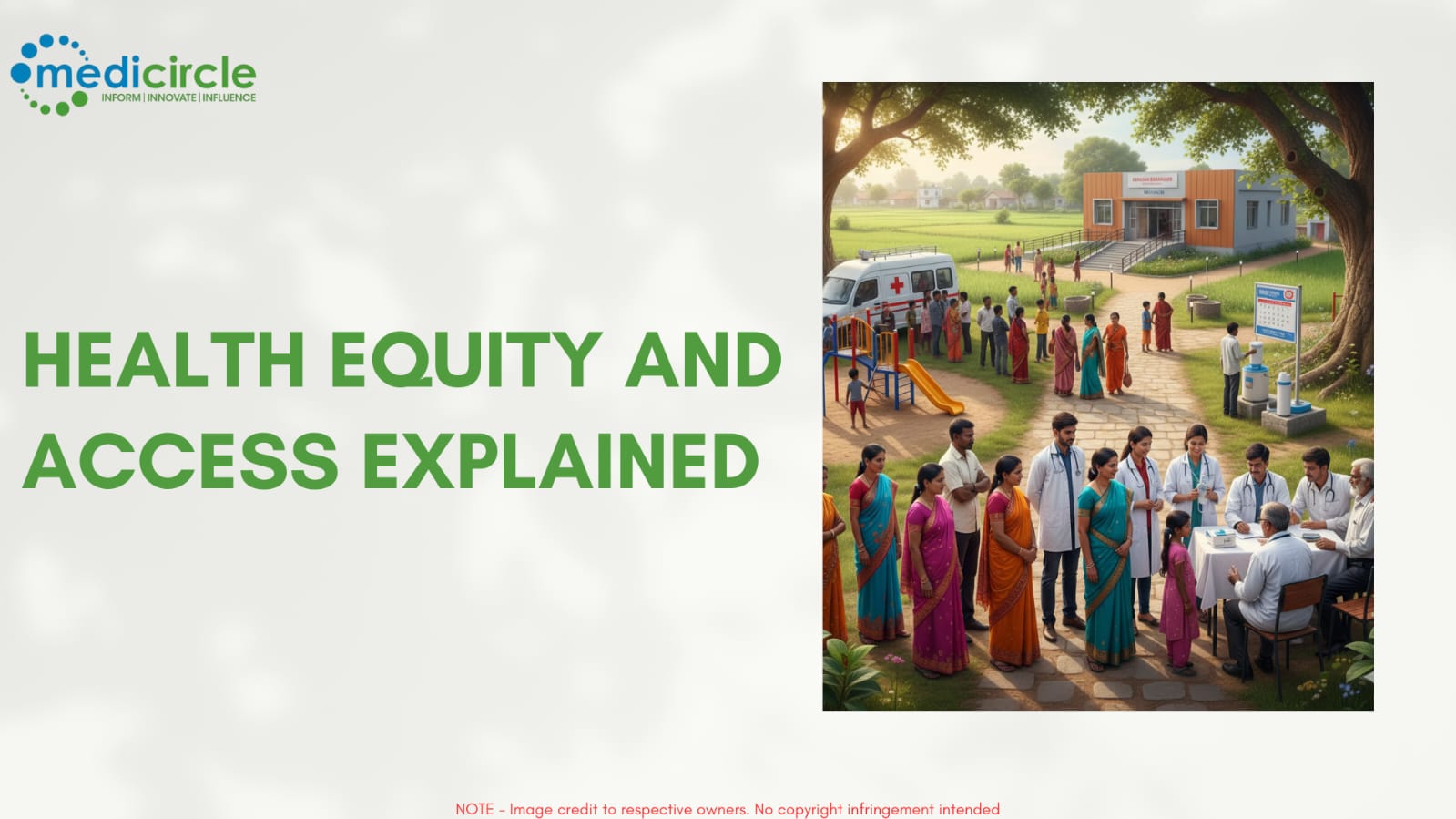
 Health equity means giving everyone a fair chance to be healthy, regardless of income or location. High costs, rural gaps, and social factors limit access, requiring systemic reform and community-focused solutions.




A difficult choice confronts many Indian families. A parent stands at a medical counter, weighing the cost of prescribed medicine against upcoming school fees. This scene unfolds in countless households. It highlights a central question for the nation. Is good health a universal right for every citizen, or is it a privilege for some. This question brings focus to the principle of health equity. The concept is simple yet powerful. Health equity does not mean everyone has identical health outcomes. That concept would be impossible to achieve. Instead, it means every person should have a fair opportunity to become as healthy as possible. A person's health should not be predetermined by their geography, their financial status, or their social background. For a nation as diverse as India, making this principle a reality represents a significant and essential challenge.
Barriers to Wellness:
Significant obstacles block the path to health equity. These obstacles extend far beyond hospitals and doctors. They are woven into the fabric of society itself. The conditions of daily life, often called social determinants, influence health more than medical care alone. One primary barrier is the high cost of care. India has one of the highest rates of out of pocket medical spending globally. Families directly pay for a major portion of all health expenses. A single serious hospital stay can erase a family's financial savings. This expense pushes many households into poverty every year. The fear of such financial ruin prevents people from seeking timely care. Another major barrier is the divide between urban and rural areas. Modern hospitals are concentrated in cities. Meanwhile, public health centers in remote villages often lack basic supplies and staff. For a rural family, a serious illness necessitates a long and costly journey to an urban center. This journey delays critical care and creates immense hardship. Ambitious public health schemes are creating progress. However, a large part of the population still lacks health insurance coverage. These individuals remain financially exposed during a medical crisis. They must rely entirely on their own dwindling resources.
Understanding over Prescription:
Addressing these systemic gaps requires more than policy and funding. It demands a genuine understanding of how people live and make health decisions. Cultural and behavioral insights are powerful tools for change. For a great majority of Indians, the local pharmacy is the first source of health advice. People trust their neighborhood chemist. Health decisions are also deeply social. A grandmother's traditional remedy or the advice of a trusted local practitioner often carries more weight than a distant doctor's opinion. This is not a simple barrier. It is a reality built on community and longstanding trust. Lasting progress occurs when health initiatives listen and adapt. A global company found success by offering medicines in small, affordable sachets. This approach respected tight household budgets. Another found products needed to prove reliable during the humid monsoon season. True access is earned by fitting into the rhythms of daily life. It requires understanding that health is intertwined with culture, trust, and family.
A Fairer Health Future
India has set bold national and global health targets. Achieving these goals requires a balanced and determined approach. The country must strengthen its public health system while guiding private sector growth toward equitable outcomes. Government programs represent crucial foundational steps on this long journey. The work, however, must continue. Collective effort is needed to increase public health investment. The first line of care in villages needs fortification. Essential medicines must become affordable and accessible for everyone. Ultimately, health equity is about recognizing the whole person. It acknowledges that well-being connects to faith, family, finances, and local trust. The final step in healthcare delivery is more than physical infrastructure. It involves building a bridge of understanding into communities and homes. Progress begins from that point of human connection. This effort moves the nation closer to a future where health is a shared promise for all citizens.






.jpeg)








.jpg)
.jpg)
.jpg)
.jpg)
.jpg)
.jpg)


.jpg)
.jpg)
.jpg)