 Thursday, October 08, 2026
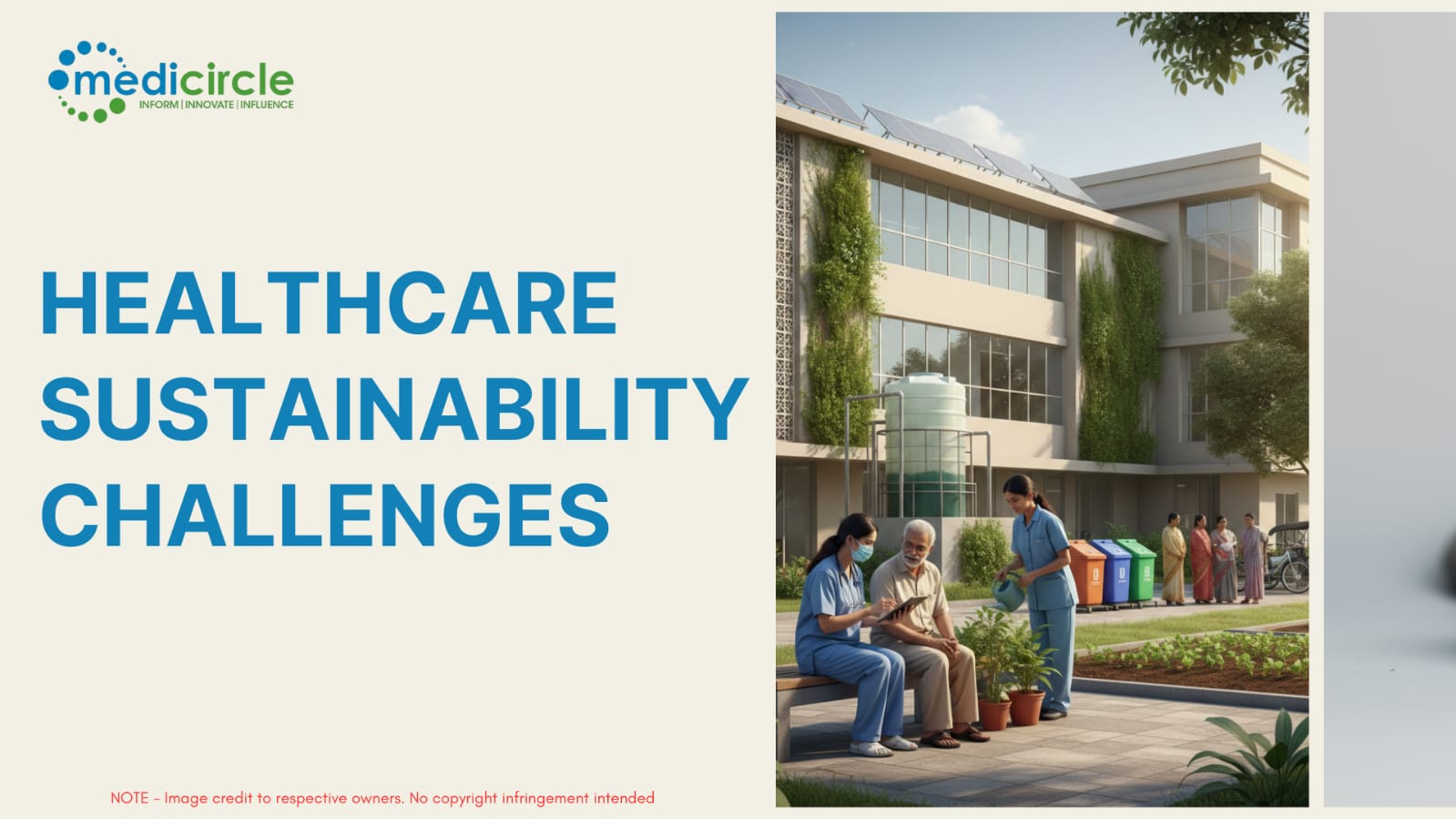
 Sustainable healthcare in India addresses medical waste and energy use. By adopting digital tools and green resource management, hospitals can ensure long term community health.




The healthcare system in India is moving fast to provide medical access to over a billion people. While the focus remains on patient recovery, a secondary crisis is unfolding. The very facilities designed to heal often place a heavy burden on the environment. It is clear that we cannot achieve wellness if our medical practices damage the air, water, and soil. Transitioning toward green hospitals is a necessary evolution for public health.
Managing Medical Waste:
Walk into any modern hospital and you will see a stream of plastic. From syringes to gloves, single use items are the backbone of infection control. However, these disposables have led to a massive waste management hurdle. In many cities, systems meant to handle this trash are already overwhelmed.
When medical waste is handled improperly, the consequences are circular. Hazardous materials can leak into the ground, eventually polluting the water we drink. To break this cycle, the healthcare sector must adopt a circular approach. This involves investing in sterilization technologies that allow materials to be safely recycled. We must ensure that protecting a patient today does not mean polluting a community tomorrow.
Green Energy Solutions:
Healthcare facilities are high energy environments. They operate every second of every day, requiring constant power for life saving ventilators and operating rooms. In India, where heatwaves are becoming frequent, the electricity needed for air conditioning is staggering.
Since we cannot turn off the power, the solution lies in how we generate it. A growing number of hospitals are turning to solar energy to meet their demands. By installing rooftop panels and using energy efficient lighting, these institutions achieve two goals. They reduce their carbon footprint and lower their utility bills. These savings can be reinvested into better medical equipment and affordable care for patients.
Saving Water Resources:
Water is the lifeblood of any medical facility, used for everything from hygiene to laundry. With many parts of India facing water scarcity, hospitals that rely on groundwater are at risk.
The way forward is a strategy of conservation. Innovative hospitals are now treating their wastewater on site. By using filtration systems, they can repurpose water for maintenance or gardening. This reduces the strain on the municipal supply and ensures that the hospital remains functional even during seasonal water shortages.
Digital Health Tools:
Technology is proving to be a great ally of the environment. The rise of teleconsultations is doing more than providing convenience. It is cutting down the carbon emissions associated with patient travel.
Furthermore, the shift toward electronic health records is eliminating the need for paper files and physical film for scans. By going digital, hospitals save physical space and reduce the demand for paper. Even in the pharmacy, smart software helps track medicine usage patterns. This prevents drugs from expiring and ending up as chemical waste.
Local Supply Chains:
Sustainability also depends on the journey a product takes before it reaches the doctor. Green procurement is the practice of choosing suppliers who prioritize eco-friendly packaging. By sourcing medical supplies from local manufacturers, hospitals can reduce the emissions from international shipping. This helps the environment and strengthens the domestic economy.
Future Health Legacy:
Moving toward a sustainable healthcare model is a long term commitment. It requires a shift in mindset from administrators and the public. While the initial investment in green technology can be significant, the payoff is a resilient and cost effective society.
When we build hospitals that respect the planet, we are practicing preventive medicine. By cleaning up our medical practices, we ensure that the healing we provide today does not create a health crisis for future generations.






.jpeg)








.jpg)
.jpg)
.jpg)
.jpg)
.jpg)
.jpg)


.jpg)
.jpg)
.jpg)