Tuesday, October 06, 2026
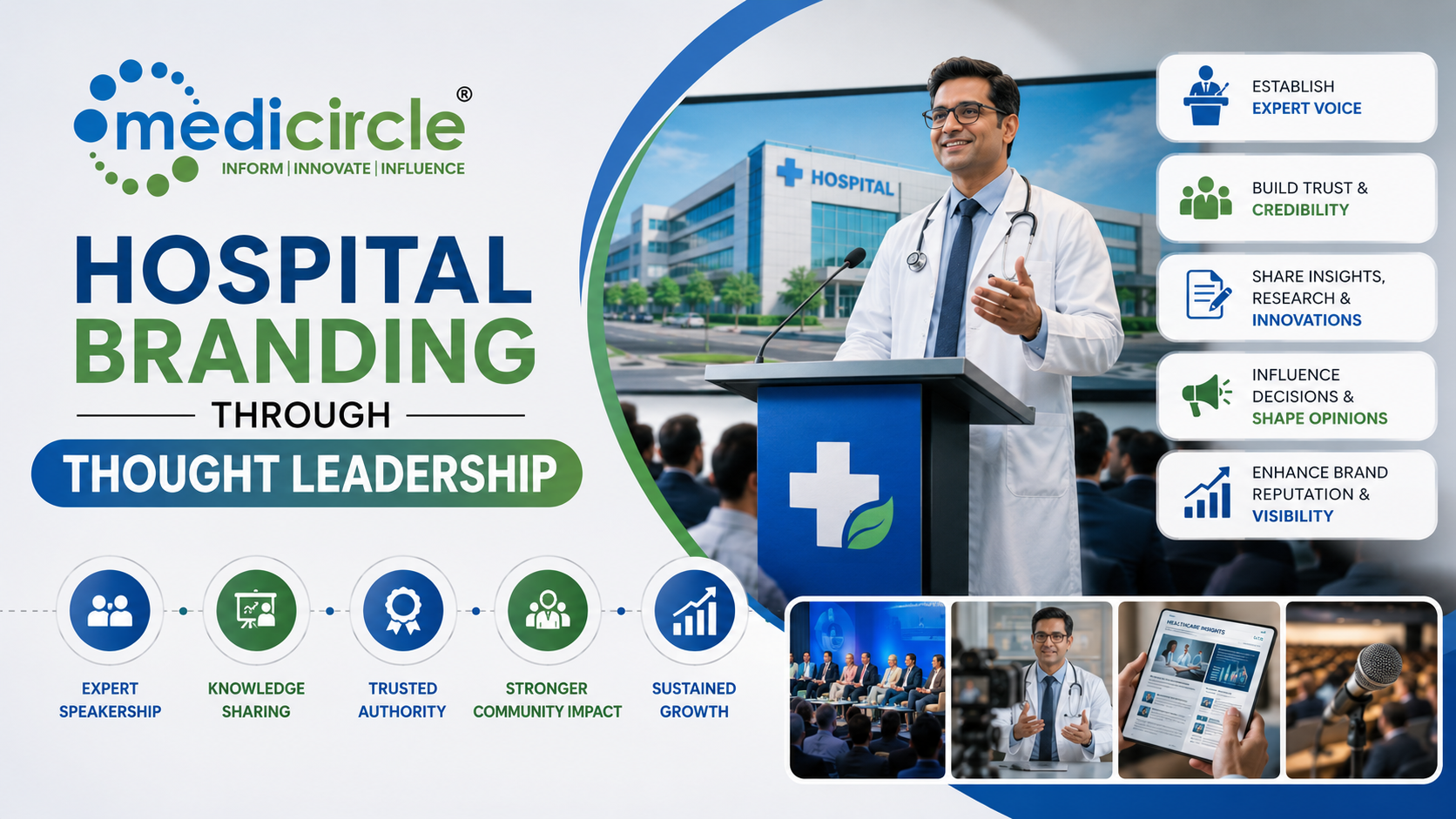
 Hospital branding through thought leadership helps healthcare organizations build trust, authority, and long-term credibility by consistently sharing expert insights and valuable healthcare knowledge. Strategic healthcare content, physician expertise, digital health innovation, and patient education collectively strengthen brand reputation and support sustainable healthcare leadership.




Healthcare organizations today face a challenge that goes far beyond patient care. Patients, healthcare professionals, investors, and even future employees increasingly evaluate hospitals not only by their services but also by their expertise, credibility, and visibility in the public domain. This is where hospital branding through thought leadership becomes a strategic advantage. In an environment where information is abundant and trust is difficult to earn, hospitals that consistently educate, inform, and lead conversations are often perceived as more reliable than those relying solely on traditional marketing. Thought leadership is no longer a public relations exercise. It has become a long-term reputation-building strategy that shapes how a healthcare institution is perceived by patients and the broader healthcare ecosystem.
Why Hospital Branding Is No Longer Just About Visibility
For many years, healthcare branding largely focused on awareness. Hospitals invested in advertising campaigns, brochures, local outreach programs, and promotional activities designed to attract patients. While visibility remains important, healthcare audiences have become more informed and selective.
Modern patients conduct extensive research before choosing a healthcare provider. They compare hospitals, read reviews, explore physician credentials, and consume healthcare content online. They want reassurance before they commit to a provider. As a result, branding is increasingly tied to trust rather than exposure alone.
Thought leadership helps bridge this gap. When hospitals consistently share valuable insights about medical advancements, public health concerns, preventive care, emerging technologies, and patient outcomes, they demonstrate expertise without directly selling services. This educational approach naturally builds credibility.
The shift is particularly noticeable because healthcare decisions involve a high level of personal risk. Unlike choosing a restaurant or a retail product, selecting a hospital often involves life-changing consequences. People tend to trust institutions that help them understand healthcare challenges rather than simply promote themselves.
This change has transformed branding from a marketing function into a trust-building function. Hospitals that understand this distinction are often better positioned to establish long-term relationships with patients and communities.
Understanding Thought Leadership in Healthcare
Thought leadership is frequently misunderstood as publishing occasional articles or participating in industry events. In reality, it is a systematic process of becoming a reliable source of knowledge within a specific field.
For hospitals, thought leadership means contributing meaningful perspectives on healthcare topics that matter to patients, professionals, policymakers, and the broader community. It involves sharing expertise that helps people make informed decisions.
A hospital can demonstrate thought leadership through multiple channels:
- Publishing educational healthcare content that addresses real concerns
Rather than focusing on promotional messaging, hospitals can create content explaining preventive healthcare, treatment innovations, patient safety practices, and emerging health trends. This helps audiences associate the institution with expertise rather than advertising. - Encouraging physicians and specialists to share professional insights
Doctors often possess unique clinical knowledge that can provide tremendous value when communicated clearly. Their perspectives can humanize the hospital brand while reinforcing medical credibility. - Participating in larger healthcare conversations affecting society
Public health challenges, digital healthcare adoption, mental health awareness, and healthcare accessibility are topics where hospitals can contribute meaningful viewpoints and demonstrate leadership beyond clinical care.
The most successful thought leadership initiatives focus on helping people understand healthcare better. They prioritize education over promotion, which ultimately strengthens brand perception.
The Psychology Behind Trust-Based Hospital Brands
Trust remains one of the most influential factors in healthcare decision-making. Understanding how trust develops explains why thought leadership has become such a powerful branding strategy.
People naturally trust expertise that consistently demonstrates competence over time. This principle applies across industries but becomes especially important in healthcare because of the emotional and financial stakes involved.
When a hospital repeatedly provides useful information, explains complex medical topics in simple language, and addresses public concerns before they become crises, audiences begin viewing the institution as a dependable source of guidance.
Trust develops through several stages. First comes awareness, followed by familiarity, credibility, confidence, and eventually loyalty. Traditional advertising often helps create awareness, but thought leadership accelerates the transition from familiarity to credibility.
This process is particularly important in healthcare because patients rarely evaluate medical quality directly. Most individuals lack the technical expertise to assess clinical outcomes in detail. Instead, they rely on signals that indicate competence and reliability.
Thought leadership serves as one of those signals. Hospitals that consistently educate the public often appear more transparent, knowledgeable, and patient-focused. These perceptions significantly influence brand reputation.
How Thought Leadership Influences Patient Decision-Making
The patient journey has changed dramatically over the past decade. Healthcare consumers increasingly behave like informed researchers before engaging with providers.
A patient experiencing symptoms today may begin by searching online, reading educational content, exploring healthcare forums, watching expert videos, and comparing providers. During this process, hospitals that have established thought leadership frequently appear more trustworthy.
Several factors contribute to this influence:
- Educational content reduces uncertainty before treatment decisions
Patients often feel anxious when navigating healthcare choices. Hospitals that provide clear explanations of conditions, procedures, and treatment pathways help reduce confusion and build confidence. - Expert insights create stronger emotional reassurance
Hearing physicians discuss healthcare topics in accessible language helps patients feel more connected to the institution. The hospital becomes associated with guidance rather than simply services. - Consistent visibility reinforces expertise over time
Repeated exposure to valuable healthcare information strengthens perceptions of authority. People tend to remember organizations that regularly provide useful knowledge.
This influence extends beyond immediate patient acquisition. Thought leadership also impacts referrals, community reputation, and long-term patient loyalty.
Building a Sustainable Thought Leadership Strategy
Many hospitals launch content initiatives with enthusiasm but struggle to maintain momentum. Sustainable thought leadership requires a structured approach rather than isolated campaigns.
The foundation begins with identifying areas where the hospital possesses genuine expertise. Thought leadership is most effective when it aligns with actual strengths rather than attempting to cover every healthcare topic.
A successful strategy typically involves several components:
Define Core Expertise AreasHospitals should focus on specific themes where they can consistently provide unique value. These may include specialized treatments, preventive healthcare, digital health innovation, patient experience improvement, or public health education.
Create a Physician-Led Content FrameworkMedical professionals are often the strongest source of authentic expertise. Developing systems that help physicians contribute knowledge efficiently ensures content remains credible and insightful.
Prioritize Educational Value Over PromotionAudiences can quickly distinguish between genuine education and disguised marketing. Content should primarily aim to inform, explain, and guide rather than directly promote services.
Maintain Consistency Across ChannelsThought leadership works through repetition and consistency. Publishing valuable insights regularly across blogs, webinars, social platforms, podcasts, and media appearances creates cumulative credibility over time.
Hospitals that approach thought leadership as a long-term investment typically see stronger results than those seeking immediate marketing outcomes.
Emerging Trends Shaping Healthcare Thought Leadership
The future of hospital branding is increasingly influenced by changes in technology, patient expectations, and healthcare delivery models.
One major trend is the growing demand for transparency. Patients want more information about outcomes, processes, pricing, and care quality. Hospitals that proactively address these topics often gain a competitive advantage.
Another significant trend is the rise of digital healthcare ecosystems. Telehealth, remote monitoring, artificial intelligence, and personalized medicine are reshaping patient experiences. Thought leadership around these innovations positions hospitals as forward-thinking institutions.
Healthcare organizations are also becoming more community-focused. Instead of limiting communication to treatment-related topics, many hospitals are contributing insights on wellness, prevention, mental health, and population health management.
The increasing influence of professional personal brands is another notable development. Physicians, specialists, and healthcare executives are becoming visible thought leaders in their own right. Their expertise often strengthens the overall hospital brand while creating more authentic audience engagement.
As healthcare continues evolving, thought leadership will likely become even more important because it enables hospitals to guide conversations rather than simply respond to them.
Challenges Hospitals Face When Building Thought Leadership
Despite its benefits, thought leadership is not without challenges.
One common obstacle is balancing medical accuracy with accessibility. Healthcare information must remain scientifically accurate while being understandable to non-medical audiences.
Another challenge involves time constraints. Physicians and healthcare leaders often have limited availability for content creation, making it difficult to sustain consistent output.
Hospitals must also navigate regulatory considerations carefully. Healthcare communication requires sensitivity to privacy, compliance, and ethical standards.
Finally, measuring return on investment can be difficult. Thought leadership often influences reputation, trust, and long-term perception rather than immediate conversions. Organizations seeking instant results may underestimate its value.
However, hospitals that overcome these challenges often build durable competitive advantages that are difficult for competitors to replicate.
Conclusion
Hospital branding through thought leadership is fundamentally about earning trust through expertise. As healthcare consumers become more informed and selective, traditional promotion alone is no longer sufficient to establish credibility. Hospitals that consistently educate, inform, and contribute meaningful insights position themselves as trusted authorities rather than simply service providers.
The most successful healthcare brands understand that thought leadership is not a marketing tactic. It is a long-term commitment to sharing knowledge, improving understanding, and helping people navigate increasingly complex healthcare decisions. In doing so, they strengthen both their reputation and their impact.
FAQ (Frequently Asked Questions)
1. What is hospital branding through thought leadership?Hospital branding through thought leadership is the process of building trust and authority by consistently sharing valuable healthcare insights rather than relying solely on advertising. It focuses on healthcare expertise, patient education, and industry knowledge to establish credibility. Over time, this approach strengthens brand reputation and helps hospitals become trusted sources of information.
2. Why is thought leadership important for healthcare organizations?Thought leadership helps healthcare organizations stand out in an increasingly competitive environment. By contributing meaningful perspectives on healthcare trends and patient concerns, hospitals can build patient trust and demonstrate medical expertise. This creates stronger relationships with both patients and healthcare professionals.
3. How does thought leadership influence patient decision-making?Patients often research healthcare providers before making decisions. When hospitals consistently publish educational content and expert insights, they appear more credible and trustworthy. This improves patient engagement and reinforces the hospital's position as a reliable healthcare authority.
4. What type of content supports hospital thought leadership?Content such as expert articles, healthcare trend analysis, patient education resources, webinars, and physician insights can strengthen thought leadership. The goal is to provide value through healthcare content marketing and share knowledge that helps people make informed healthcare decisions.
5. How can doctors contribute to hospital branding efforts?Doctors play a major role because they are often seen as trusted experts. When physicians share clinical insights, preventive health information, or healthcare innovations, they strengthen both their personal credibility and the hospital's overall healthcare leadership position. This creates a stronger and more authentic brand image.
6. What is the difference between hospital marketing and thought leadership?Traditional marketing focuses on promoting services and increasing visibility, while thought leadership focuses on sharing expertise and building trust. Effective hospital branding often combines both approaches, but thought leadership creates deeper credibility through patient education and knowledge sharing.
7. How does digital transformation affect hospital thought leadership?Digital platforms have made it easier for hospitals to reach wider audiences through blogs, videos, webinars, and social media. This allows healthcare organizations to demonstrate digital health innovation and communicate valuable insights directly to patients and industry stakeholders.
8. Can smaller hospitals benefit from thought leadership strategies?Yes. Thought leadership is not limited to large healthcare institutions. Smaller hospitals can build authority by focusing on specific areas of expertise and consistently sharing valuable information. Strong community healthcare engagement and specialized knowledge can help them compete effectively.
9. What are the biggest challenges in building healthcare thought leadership?One of the biggest challenges is maintaining consistency while balancing medical accuracy and accessibility. Hospitals must ensure content remains trustworthy and understandable. Successfully managing healthcare communication and delivering meaningful insights regularly requires long-term commitment.
10. How can hospitals measure the success of thought leadership initiatives?Success can be measured through increased audience engagement, media recognition, website traffic, patient inquiries, and brand perception. Strong thought leadership often leads to improved healthcare credibility and long-term growth in patient confidence and organizational reputation.






.jpeg)
.jpg)
.jpg)
.jpg)
.jpg)
.jpg)
.jpg)


.jpg)
.jpg)
.jpg)
.jpg)
.jpg)
.jpg)