 Thursday, October 08, 2026
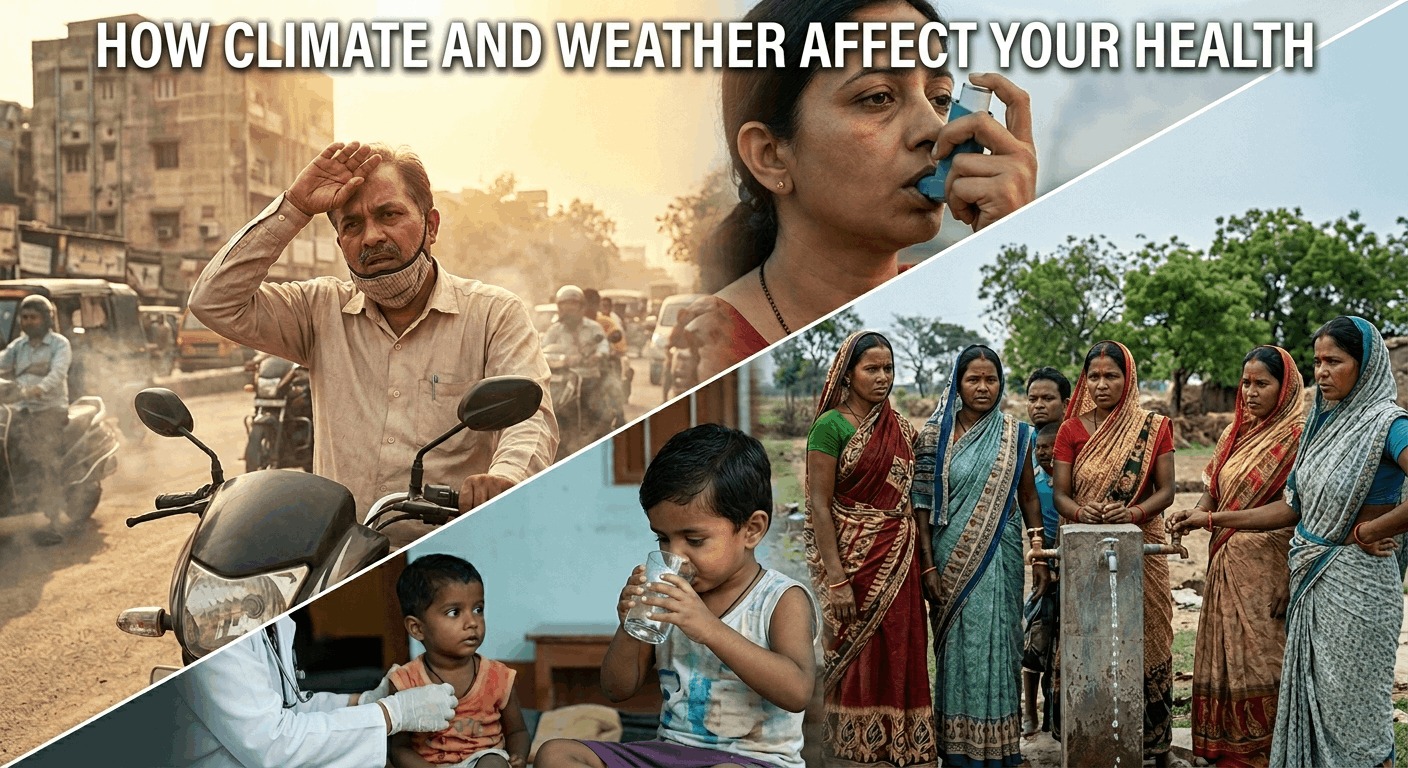
 Climate and health are no longer separate conversations. The body responds to every shift in the environment, whether gradual or sudden. As the climate change impact continues to grow, understanding these effects becomes essential. Awareness does not eliminate risk, but it helps you respond better, adapt smarter, and protect your health in a changing world.




You don’t always notice it at first. A slightly longer summer, more intense heat, sudden weather shifts, or days when the air feels heavier than usual. These changes often feel temporary, but over time, they begin to influence how your body responds, adapts, and sometimes struggles. The connection between climate and health is not distant anymore. It is becoming part of everyday life.
What Climate And Weather Really Mean For Your Health
Weather affects us daily, but climate shapes long-term patterns. The difference matters because while a single hot day may feel uncomfortable, consistent exposure to rising temperatures and environmental changes has deeper effects.
To understand what are the effects of climate change, it helps to look beyond extreme events. Climate influences air quality, water availability, food systems, and even the spread of diseases. These are not isolated factors. They interact with the human body in ways that build gradually.
The growing climate change impact is not just environmental. It is biological. The body constantly adjusts to external conditions, and when those conditions become unstable, that adjustment becomes harder.
Why This Matters More Than It Seems
Many people associate climate change only with global concerns, but the reality is more personal. The effects of climate change are already visible in everyday health patterns.
Respiratory issues are increasing due to poor air quality. Heat-related illnesses are becoming more common during extended periods of hot weather. Even mental health is affected, as constant environmental stress creates anxiety and fatigue.
Looking at how climate change affect us, the impact is not always immediate. It builds slowly through repeated exposure. A few degrees of temperature increase, slightly higher pollution levels, or longer summers may seem manageable individually, but together they place consistent stress on the body.
The Effects Of Heat On The Body
One of the most direct impacts of climate change is rising temperatures. The effects of heat on the body can range from mild discomfort to serious health conditions.
When exposed to prolonged hot weather, the body tries to regulate its temperature through sweating and increased blood flow. However, when heat becomes excessive, this system starts to struggle.
Common effects include:
- Dehydration due to excessive fluid loss
- Heat exhaustion, causing fatigue, dizziness, and weakness
- Heatstroke, which can become life-threatening if not managed quickly
- Increased strain on the heart and circulatory system
- Worsening of existing conditions like asthma or cardiovascular issues
These are not rare occurrences anymore. With rising effects global warming, such conditions are becoming more frequent and affecting a wider population.
Climate Change And Everyday Health Risks
Climate change is not just about temperature. It affects multiple aspects of daily health in ways that are often overlooked.
Some of the key climate change issues that influence health include:
- Poor air quality leading to respiratory problems
- Water contamination affecting digestion and immunity
- Changes in food quality and availability
- Increased spread of vector-borne diseases
- Seasonal allergies becoming more intense and prolonged
An example of climate change can be seen in longer pollen seasons, which directly affect people with allergies. Similarly, irregular rainfall patterns can influence water-borne diseases.
Understanding how does climate change affect human and environment helps connect these dots. The environment changes first, and the body responds to those changes over time.
How Your Body Responds To Changing Climate
The human body is adaptable, but it has limits. Continuous exposure to changing environmental conditions creates a state of stress that may not always be visible.
Some common responses include:
- Persistent fatigue due to temperature stress
- Reduced immunity from environmental strain
- Skin issues triggered by heat and humidity
- Difficulty sleeping during warmer nights
- Increased irritability or mental exhaustion
These responses may seem minor individually, but they reflect how deeply climate influences daily well-being.
Case Studies: Real-Life Impact Of Climate On Health
Case Study 1: Heat Exposure In Urban LivingRohit, living in a densely populated city, began noticing that summers felt longer and more intense each year. Initially, it meant discomfort and increased use of cooling systems. Over time, he started experiencing frequent headaches, dehydration, and difficulty concentrating during peak afternoons.
His routine had not changed significantly, but his environment had. The extended exposure to hot weather slowly affected his daily functioning. What seemed like seasonal discomfort gradually became a recurring health pattern linked to rising temperatures.
Case Study 2: Respiratory Issues Linked To Air QualityMeera, who had mild allergies, began experiencing more frequent breathing discomfort over the years. Seasonal changes felt harsher, and even short outdoor exposure triggered symptoms.
The underlying factor was worsening air quality, a growing part of climate change impact. The increase in pollutants and allergens turned a manageable condition into something more persistent, showing how environmental shifts can amplify existing health concerns.
Case Study 3: Changing Food And Digestion PatternsIn a semi-urban region, changes in rainfall patterns affected food availability and quality. Fresh produce became less consistent, and dietary patterns shifted.
Over time, residents reported digestive issues and reduced energy levels. This was not linked to a single cause but reflected broader climate change issues affecting food systems and nutrition.
Practical Ways To Protect Your Health
While large-scale solutions require global effort, individual actions can still reduce health risks.
Some practical steps include:
- Staying hydrated, especially during hot weather
- Limiting outdoor exposure during peak heat hours
- Using protective measures like masks in polluted environments
- Maintaining a balanced diet to support immunity
- Creating a sleep-friendly environment despite temperature changes
These steps may seem simple, but they help the body cope better with environmental stress.
FAQs
1. What are the effects of climate change on human health?The effects of climate change include heat-related illnesses, respiratory problems, and increased risk of infections due to environmental changes.
2. How does climate change affect us daily?How climate change affect us can be seen in rising temperatures, poor air quality, and changes in food and water systems.
3. What are the effects of heat on the body?The effects of heat on the body include dehydration, fatigue, heat exhaustion, and in severe cases, heatstroke.
4. What are some climate change issues affecting health?Major climate change issues include pollution, water quality, food supply disruption, and disease spread.
5. Can hot weather affect mental health?Yes, prolonged hot weather can cause irritability, sleep issues, and mental fatigue.
6. What is an example of climate change affecting health?An example of climate change is longer allergy seasons caused by increased pollen levels.
7. How does climate change affect human and environment together?How does climate change affect human and environment is interconnected, as environmental shifts directly influence human health conditions.
8. Are the effects of global warming increasing health risks?Yes, effects global warming are increasing risks like heat-related illnesses and respiratory problems.
9. Who is most affected by climate change?Children, elderly individuals, and people with existing health conditions are more vulnerable.
10. Can lifestyle changes reduce climate-related health risks?Yes, small adjustments in daily habits can help manage exposure and improve resilience.






.jpeg)










.jpg)
.jpg)
.jpg)
.jpg)
.jpg)
.jpg)


.jpg)