 Thursday, October 08, 2026
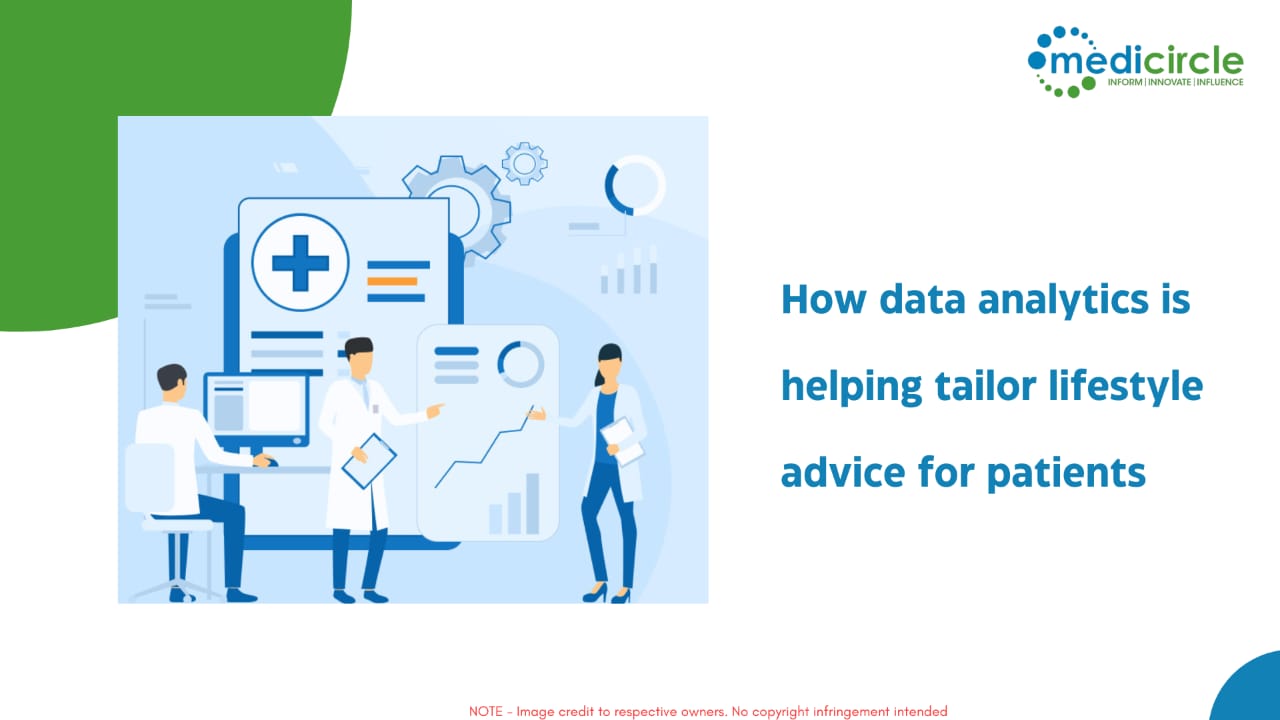
 Personalized health care uses detailed data from medical records, lifestyle habits and diagnostics to guide prevention, risk management and wellness strategies, improving individual outcomes and public health efficiency.





Have you ever left a doctor’s appointment with advice that felt too general? "Eat healthier foods" or "try to be more active." We have all been there. Good advice certainly, but not always helpful for your specific life, body and challenges. What if your health guidance could be as unique as you are? That is the shift happening right now in healthcare. It is not about new medicine; it is about a smarter use of information. Doctors and health experts are now using detailed data to build lifestyle plans that fit you perfectly.
What is health data?
First, let us clear up the jargon. "Healthcare data analytics" sounds complex, but the idea is simple. It is the practice of collecting and making sense of all the digital health information we create. Think of it as connecting the dots to see the full picture of your well-being.
These dots come from everywhere: your past medical reports, latest lab tests, prescriptions from your chemist and even the step count from your smartwatch or fitness band. In India, this has grown to include records from teleconsultations and public health programs. Collecting the data is one thing. The real magic happens when smart tools analyze it to find patterns. These patterns can show small warnings long before a big health issue appears, allowing for early and precise action.
From data to action:
So how does a spreadsheet or a chart turn into practical advice you can use? The process is step by step and incredibly practical.
It starts by bringing together your information from different safe sources. Then, special software looks for connections you or even a busy doctor, might miss. You can think of this analysis in three parts:
Learning from the past: Understanding your health history in detail.
Forecasting the future: Estimating your personal risk for conditions like high blood pressure or diabetes, based on your records and habits.
Recommending actions: Suggesting a proven, tailored wellness strategy, informed by data from thousands of similar cases.
The outcome is not a static file but a living health profile. Instead of a best guess, your doctor gets a clearer view of your personal risk factors; maybe a family history, a trend in your blood sugar readings or how your local environment affects your health. The advice can then be tailored right down to the type of exercise or dietary change that will work best for you.
Impacting lives across India:
This is not science fiction. Across India, this data-driven approach is already providing smarter care and saving lives.
Focus on prevention: Major hospitals in cities are now using prediction models to spot who is at high risk for chronic diseases. By looking at family history, test results and daily habits, they can identify people likely to develop diabetes and guide them towards specific, preventive lifestyle changes. This is healthcare that stops sickness before it starts.
Smarter public health planning: State health departments and large hospitals use analytics to prepare for community health needs. For example, by studying past year’s data and weather patterns, they can predict outbreaks of dengue or malaria before the monsoon peaks. This allows them to manage medical supplies and send targeted alerts to residents in specific areas about how to protect themselves.
Finding the root cause: Sometimes, managing a condition is frustrating. General advice does not seem to work. Diagnostic analytics can help doctors dig deeper. It can reveal how your specific combination of sleep, diet, stress and biology is interacting. This leads to understanding the real reason behind a problem, paving the way for much more effective personal adjustments.
Walking the path ahead:
Naturally, this new approach comes with important questions. How is my private data protected? This is the foremost concern and it demands strong, transparent digital security systems. Another challenge is making different hospital and clinic software talk to each other smoothly, so your health story is complete.
Despite these hurdles, the direction is promising. Initiatives like India’s Ayushman Bharat Digital Mission are working to create a secure, connected national health ecosystem. The growth of trustworthy cloud-based platforms also helps in building a stronger foundation for this personalized care.
Heart of the matter:
In the end, this is not about replacing your doctor with an algorithm. Far from it. It is about giving your doctor a powerful lens to understand your health better. The human touch, the compassion, the listening ear, the trust you place in your caregiver remains the irreplaceable core of healing.
Data analytics is simply a tool that enhances that relationship. It empowers your doctor to see you as the individual you are. This partnership between human empathy and digital insight is building a smarter kind of healthcare. It is a system that aims not just to treat you when you are ill, but to understand and guide you towards your healthiest possible life. That is a goal worth striving for, together






.jpeg)










.jpg)
.jpg)
.jpg)
.jpg)
.jpg)
.jpg)


.jpg)