 Tuesday, October 27, 2026
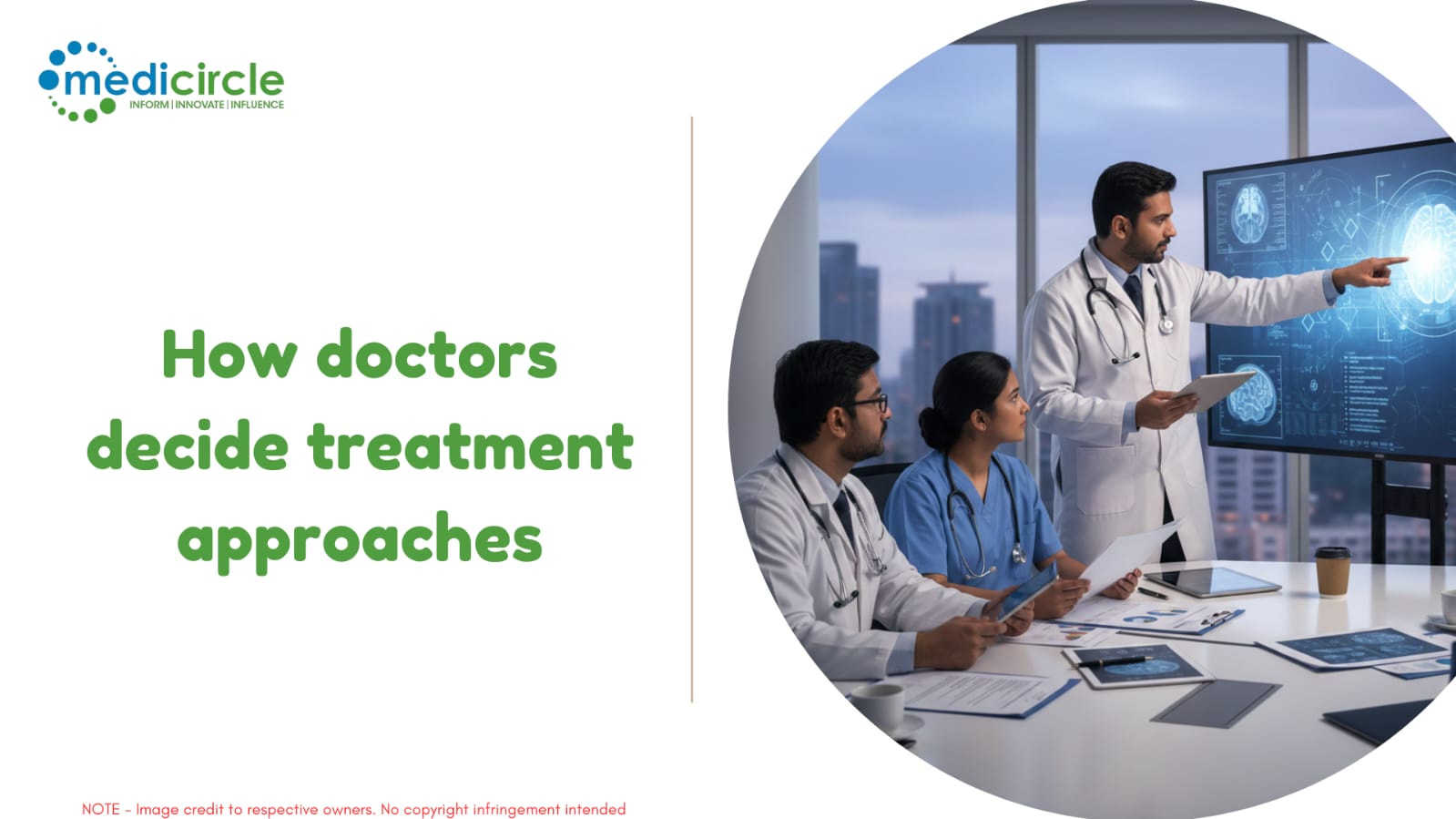
 Doctors decide treatment plans through careful listening, examination, diagnosis, and shared decision-making with patients, combining medical evidence with individual needs, values, and circumstances to create practical, personalized care strategies




Leaving the clinic with a prescription can lead to a moment of reflection. You might wonder exactly how your doctor formulated that specific plan for you. That piece of paper represents the final step in a careful and considered process. This process merges scientific knowledge with essential human skills, creating a bridge between clinical data and personal care. For physicians, selecting a treatment involves less sudden insight and more deliberate partnership with the patient.
This collaborative journey merits deeper understanding. It is a path constructed on attentive listening, logical deduction, and a firm commitment to partnership.
Where It All Begins:
The most important step occurs before the use of any medical instrument. It begins with a conversation. A doctor's primary and most critical task is to listen with complete focus. Physicians are gathering more than a list of symptoms. They are compiling the patient's unique story. Details about discomfort, personal health history, daily routines, and work life all serve as vital pieces of a larger puzzle. This dialogue builds the trust required for effective healing while providing the initial clues that guide all subsequent actions.
The physical examination that follows extends this connection. Despite advanced technologies like MRI scans and genetic tests, the value of a skilled professional's observational and tactile assessment remains absolute. This personal evaluation helps a doctor link physical findings to the patient's narrative, thereby refining their preliminary analysis.
The Diagnostic Puzzle:
A single symptom can point toward numerous possible conditions. A headache may indicate various issues beyond migraine. Fatigue can stem from causes more complex than simple sleep deprivation. This stage activates a doctor's specialized training. They mentally assemble a differential diagnosis, which is a dynamic list of every plausible condition that could explain the collected clues.
The process resembles a detective methodically evaluating suspects. Each new detail from the patient's history, the physical exam, or a diagnostic test either supports or diminishes a potential cause. Experienced doctors frequently describe a sense of the overall picture becoming clear. This cognitive procedure involves matching patterns from extensive medical knowledge to the individual portrait of a patient's health.
From Diagnosis to Plan:
Reaching a diagnosis represents significant progress, yet it rarely provides the final answer. The essential next question involves determining the subsequent course of action. Modern medical practice has progressed from an authoritative model. The current best practice is a model of shared decision-making.
This approach acknowledges two forms of expertise present during a consultation. The first is the clinician's expertise in disease, medical evidence, and treatment options. The second is the patient's expertise regarding their own body, life circumstances, personal values, and concerns. A treatment plan that is technically perfect but incompatible with a patient's life may not succeed. A collaborative discussion determines whether a medication schedule aligns with a patient's work hours or if a therapy supports their personal health goals. This conversation guarantees the selected path is both clinically appropriate and personally sustainable.
Navigating Uncertainty:
Medical science often deals in probabilities rather than absolute certainties. Many cases do not present straightforward textbook examples. Physicians sometimes must manage ambiguous situations or complex chronic conditions where the response to an initial treatment offers further diagnostic insight. In these areas of uncertainty, professional experience guides doctors to make the most informed decision with available information. They understand that constructive action is frequently possible and necessary even in the absence of complete certainty.
For particularly challenging decisions, such as those in critical care, the process expands into a team effort. Doctors commonly consult senior colleagues or apply structured ethical frameworks. These steps help ensure the chosen course of action fully respects the patient's dignity and personal wishes.
Your Role as an Essential Partner:
Comprehending this process empowers patients in their own care. Individuals are active participants rather than passive recipients. Preparing notes on symptoms, openly discussing lifestyle and concerns, and asking clarifying questions are fundamental contributions. These actions provide the high-quality information that leads to a more accurate diagnosis and a more effective treatment strategy.
The path to proper treatment is a shared voyage. It blends systematic science with compassionate human judgment. At its best, this process functions as a true partnership. During your next medical visit, remember that your personal insights and experiences represent crucial information for your doctor. Your active participation is a key component of successful health outcomes.
Abstract:
Doctors decide treatment plans through careful listening, examination, diagnosis, and shared decision-making with patients, combining medical evidence with individual needs, values, and circumstances to create practical, personalized care strategies.





-23-300x250.png)

.jpeg)




.jpg)
.jpg)
.jpg)
.jpg)
.jpg)
.jpg)
.jpg)
.jpg)
.jpg)

