Sunday, October 25, 2026
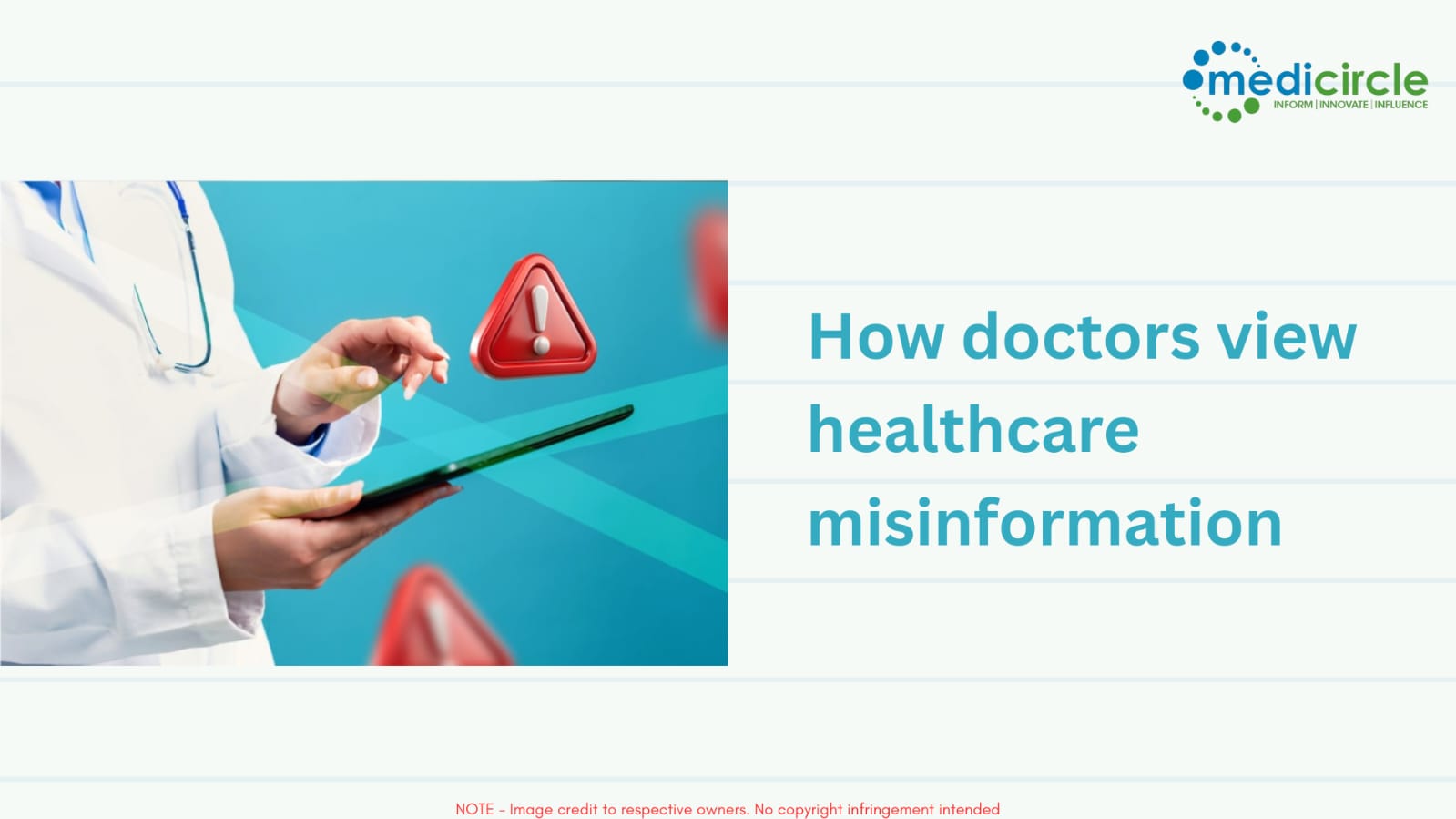
 Medical misinformation is a growing challenge in India, complicating the relationship between doctors and patients. By focusing on digital literacy, healthcare providers can combat myths and ensure patient safety.




Healthcare practitioners in India currently face a unique problem that did not exist in previous decades. While modern technology simplifies booking appointments and accessing medical reports, it also exposes the public to massive amounts of unverified medical advice. Medical professionals are now required to battle both physical illnesses and viral social media rumors simultaneously. This significant shift has transformed the traditional consultation room into a space where scientific evidence must compete against digital folklore.
Digital Consultation Trends:
It is common for individuals to enter a medical facility feeling certain about a specific diagnosis or a miracle cure found on the internet. This trend creates a complicated situation for healthcare providers who value proactive patients but must distinguish between scientific research and baseless rumors. The primary difficulty for the modern physician involves the extensive time needed to correct dangerous misconceptions. When a patient prioritizes a forwarded message over a proven clinical protocol, it creates a significant burden on the medical professional. Physicians must remain supportive of the patient while accurately addressing information that might lead to negative health results.
Risks of Misinformation:
The hazards of medical misinformation extend beyond simple misunderstandings to involve serious threats to physical safety. Doctors across the nation report a rise in instances where patients postpone necessary treatments for severe conditions to try unproven natural alternatives. In cases involving chronic diseases like heart conditions or diabetes, following the suggestions of an online influencer instead of a medical expert can lead to fatal complications. Misinformation also damages the fundamental trust between a doctor and a patient. When professional clinical advice contradicts a popular digital trend, a patient may believe the practitioner is outdated. This doubt often leads to skipped follow-up visits or ignored prescriptions, which places the health of the individual at even greater risk.
Improving Health Literacy:
Most healthcare experts agree that the best solution is not to avoid the internet but to use digital resources more intelligently. The professional role of a physician is evolving to include the responsibilities of a content guide. Many doctors now teach their patients how to evaluate the credibility of online health claims. This process includes verifying the credentials of an author and checking for recent scientific references. Indian digital health platforms play a vital role in this transition by offering expert information in clear language. These verified resources provide a safe alternative to the noise of social media.
Stronger Patient Bonds:
The spread of false information provides a unique chance for doctors to build deeper connections with their patients. By addressing doubts with patience and complete transparency, a doctor can explain complex medical ideas effectively. This interaction changes the patient from a passive recipient of care into a knowledgeable partner in the recovery process. The Indian medical community remains dedicated to the principles of integrity and patient safety. When practitioners and patients work together to prioritize science, the result is a much healthier society.





-23-300x250.png)

.jpeg)


.jpg)
.jpg)
.jpg)
.jpg)
.jpg)
.jpg)
.jpg)
.jpg)
.jpg)