Tuesday, October 27, 2026
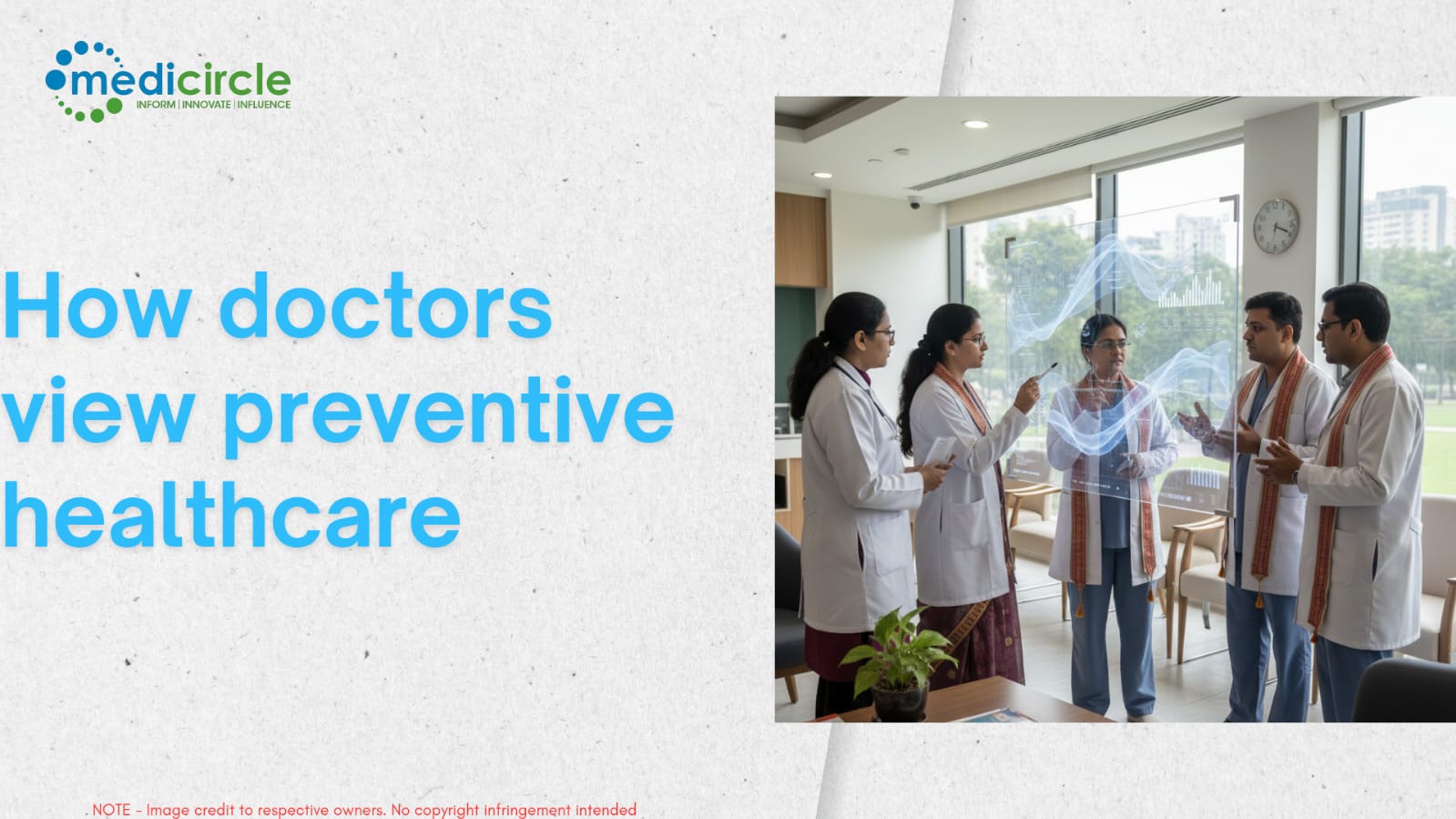
 Doctors increasingly champion preventive healthcare in India, citing clinical, economic, and ethical reasons, while promoting education, primary care, and technology to shift focus from crisis treatment to lifelong wellness.




We often see doctors in their white coats, busy in hospital wards or consulting rooms, focused on treating sickness. That image is real, but it’s incomplete. If you step into a medical seminar or a community health camp in India today, you will notice the conversation is changing. There’s a growing, powerful emphasis on stopping illness before it starts. For physicians, this is not merely a trend; it's a core part of modern medicine and a necessary prescription for the nation's health.
A Shared Medical Vision:
The medical community speaks with a unified voice on this subject. Recent gatherings, like the Indo-US Doctors Meet in Hyderabad, have highlighted a crucial gap. Experts point out that our systems are heavily skewed towards managing advanced disease, which escalates costs and often leads to poorer results for patients. As Dr. Bobby Mukkamala of the American Medical Association notes, a strategy centered on prevention can lighten the overall disease load, foster better long-term health, and make care more equitable. Indian doctors echo this, actively pushing for policies that make prevention and robust primary care the foundation, not an afterthought.
The Human Reason:
Why are doctors so passionate about this shift? The answer lies in the clinic. It is deeply disheartening for a physician to treat a severe heart condition or advanced diabetes, knowing simpler, earlier actions could have changed the patient’s journey. They witness the physical suffering, the financial strain on families, and the emotional toll. To a doctor, prevention is the more humane and effective path. It’s about maintaining a person’s vitality and independence, not just battling a late-stage crisis. Their push for prevention is rooted in their fundamental oath: to do what is truly best for the patient’s lifelong wellness.
Challenges and Change:
Doctors here are not blind to the realities on the ground. They understand the common mindset: why see a doctor when you feel fine? Cultural attitudes, fear of bad news, and concerns about expense are genuine hurdles. Our healthcare infrastructure has also been stretched thin by immediate curative needs. Yet, physicians are not merely observers. They are stepping up as community leaders. Projects like the Indian Medical Association’s effort to adopt thousands of villages for primary care demonstrate this hands-on approach. The profession believes that India, with its expertise and a population increasingly health-conscious, is ready for a more structured preventive care model.
Doctor as Partner and Teacher:
This focus on prevention transforms the doctor-patient relationship. The physician becomes a guide and an educator. A routine health check-up is reframed not as a fault-finding mission, but as a valuable “health audit”, a way to understand your personal baseline. Doctors now spend more time discussing lifestyle, diet, stress, and the true purpose of screenings. This work is about building trust and knowledge, empowering individuals to take charge. It makes prevention feel like a positive choice for self-care, rather than a scary medical procedure.
Smart Tools, Human Touch:
Technology is playing a key supporting role in this vision. Advanced screening centers that offer comprehensive check-ups for those without symptoms are becoming important allies. Doctors clarify that these technologies, including AI-assisted analysis, are powerful aids, not replacements. They handle complex data quickly, but the essential human elements, interpreting results with context, offering reassurance, and crafting a personal care plan, remain firmly in the doctor’s hands. This partnership allows for the early spotting of risks, from metabolic issues to early-stage cancers, leading to better outcomes and less future hardship.
The Path Forward:
The collective wisdom of the medical field is charting a smarter course for health in India. It’s an invitation to view healthcare not as a crisis service, but as an ongoing partnership. Embracing this preventive mindset is a profound investment in our collective future. It builds a quiet, sturdy foundation of well-being, giving us the resilience to enjoy our lives and families fully. In the end, taking our doctor’s advice on prevention might be the most important check-up we ever choose to have.





-23-300x250.png)

.jpeg)






.jpg)
.jpg)
.jpg)
.jpg)
.jpg)
.jpg)
.jpg)
.jpg)
.jpg)