 Thursday, October 08, 2026
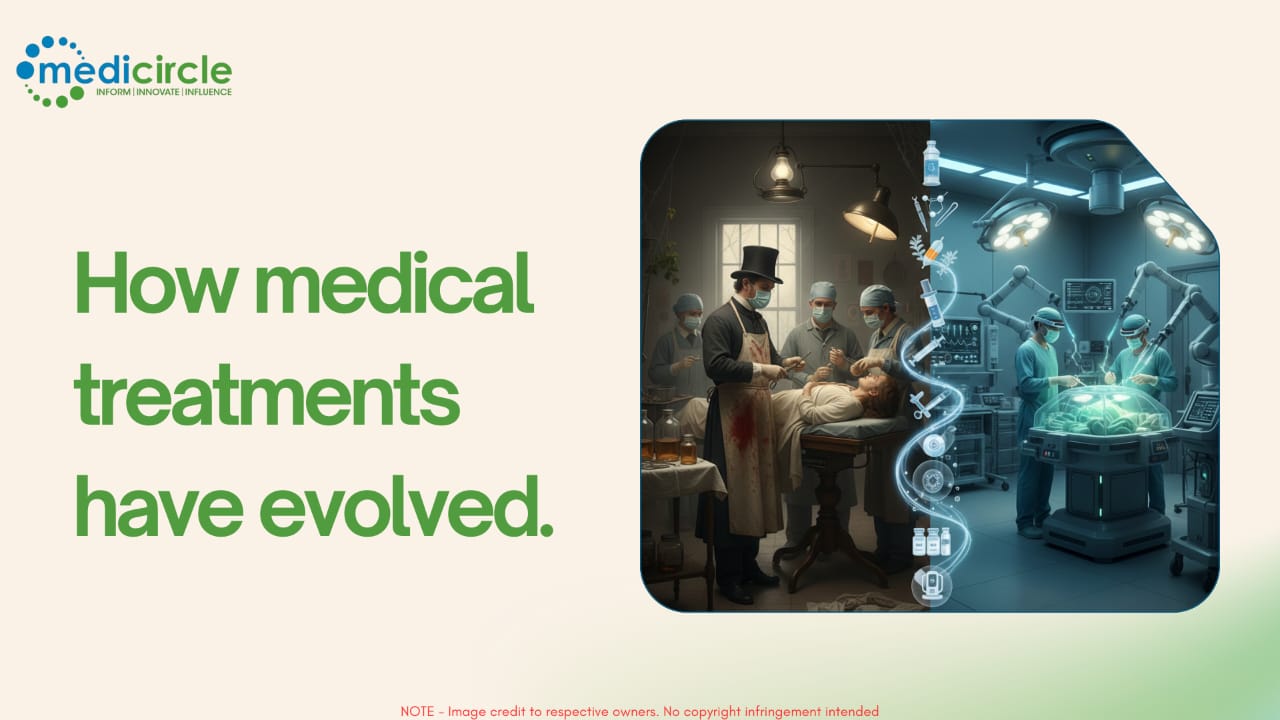
 India’s healthcare is undergoing a quiet shift, where digital connectivity, transparent information and trusted supply networks are improving access to medicines, devices and quality care across regions.




For many people in India, getting the right medical treatment used to feel like a difficult puzzle. Not too long ago, finding specialized care often depended on who you knew, what was available in your local area or your ability to travel long distances to big city hospitals. The path from diagnosis to getting the proper medicine or medical device was frequently uncertain and slow.
Today, a significant change is underway. The story of medical evolution is no longer just about new discoveries in laboratories. A major, yet sometimes overlooked, part of the story is happening in how these treatments actually reach doctors, clinics and patients. This shift is transforming healthcare from a constant struggle with access into a story about connection, information and choice.
Connecting a fragmented system:
Think about the old way of doing things. A doctor in a small town might diagnose a patient who needs a specific type of heart stent or a particular medicine. Too often, that essential item was not in stock at the local pharmacy or hospital. The solution was that the patient or their family would have to embark on a stressful and expensive journey to a metropolitan hub like Delhi or Mumbai, navigating unfamiliar systems to find what they needed.
This gap between a prescription and its fulfillment was a major barrier to effective and timely care. The system was fragmented. Now, digital platforms are building bridges across this divide. By creating a unified network, these platforms link certified medical suppliers and manufacturers directly with hospitals and clinics across the country. A nursing home in Jaipur can reliably order equipment from a manufacturer in Bengaluru. A clinic in Patna can find the exact surgical consumables it needs without delay. This digital leap is creating a national network that ensures the right medical tools can get to the right place, making quality care more consistently available no matter the geography.
Clarity replaces confusion:
Another profound change is in the flow of information. In the past, details about medical products, their technical specifications, pricing and availability were often unclear. This information was sometimes held by a few large distributors or procurement officers in big institutions. For an individual doctor running a private practice or a small hospital administrator, this lack of transparency made it hard to compare options and make the best choice for their patients.
The new approach champions openness. Comprehensive online catalogs, clear product details and accessible information are now empowering healthcare professionals. A surgeon can research and compare different knee implants from various brands. A hospital procurement team can evaluate patient monitor models from multiple companies on a single screen. This transparency changes the relationship. It moves decision making from a position of limited options to one of active, informed choice. The power to select based on quality, suitability and value is shifting back towards the point of care.
Digital foundation of trust:
At its heart, healthcare runs on trust. Patients trust their doctor’s advice. Doctors trust the efficacy of the medicines they prescribe. Hospitals trust the safety of the devices they use. Moving the business of healthcare online requires building a new kind of trust within a digital ecosystem.
How is this done? Modern B2B healthcare platforms focus on verification. They vet suppliers, ensure products meet regulatory standards and create a structured, professional environment for transactions. This process moves the market away from informal, unverified networks and toward a more systematic and reliable model. For India’s healthcare sector, this development is vital. It builds confidence, allowing new technologies and treatments to be adopted more quickly and safely because there is a trusted channel for their distribution. Quality no longer has to be a gamble for the sake of convenience.
The real impact:
Ultimately, this evolution is measured not in website clicks or order numbers, but in human outcomes. It is seen in the local clinic that can now offer a new minimally invasive surgery because the required tools are accessible. It is felt by the family whose loved one receives urgent treatment without transfer because their local hospital has the necessary equipment.
The scalpels, stents and syringes remain the same physical instruments of healing. What has changed, dramatically is the system that delivers them. This behind the scenes revolution in access and connection is making India’s healthcare landscape more resilient and responsive. It reminds us that medical progress is a two part story: one of brilliant invention and the other of ensuring those inventions reliably reach every corner of the nation, ready to heal.






.jpeg)








.jpg)
.jpg)
.jpg)
.jpg)
.jpg)
.jpg)


.jpg)
.jpg)
.jpg)