 Tuesday, October 27, 2026
.jpeg)
 Digital health tools are reshaping Indian healthcare by improving access, continuity and patient participation through digital IDs, telemedicine and wearables while keeping doctors and human care at the center.




Remember the old way? The crowded clinic, the long wait on a hard bench and the hurried few minutes with the doctor. For many in India, that was the only way. But something is changing. You can feel it. A farmer in Punjab now sends his heart rate to a specialist in Delhi with a tap on his phone. A busy mother in Chennai tracks her family’s vitals from her kitchen. A young professional in Mumbai gets expert medical advice without ever leaving his desk.
This is not science fiction. It is today’s reality. A wave of new technology is finally reaching patients, not just hospitals. It is turning our smartphones and simple devices into gateways for better health. So, how is this happening? Let us walk through this quiet revolution together.
The first step:
It all starts with identity. You cannot build a digital health system without knowing who is who. This is where the Ayushman Bharat Digital Mission comes in. Think of it as laying down the national railway tracks for a new kind of healthcare travel.
At its heart is the ABHA number, a unique health ID for every citizen. It is like a key to your own private health locker. This locker can safely hold your medical reports, prescriptions and scans. The beauty is that you control who can see it. No more lost files or repeating your history to every new doctor. Over 67 crore Indians already have this key. This simple number is the silent foundation making everything else possible.
Care without travel:
The pandemic taught us that not every consultation needs a physical room. Telemedicine has moved from an experiment to an essential service. The government’s eSanjeevani platform has crossed a remarkable 27 crore consultations. That represents millions of hours of travel and waiting time saved.
The model is clever. It connects small local health centers, the spokes, with major hospitals, the hubs, via video. So, a general physician in a small town can get a specialist’s opinion for a patient right then and there. A stable internet connection is still a privilege for some, but the sheer scale of its use tells a clear story. When offered a reliable alternative, people embrace it.
The high-tech band aid:
Perhaps the most personal change is on our wrists and arms. Health technology has become fashion technology. Smartwatches and fitness bands are common, but now we have serious medical tools disguised as gadgets. A tiny sensor worn on the arm can continuously monitor glucose levels for a diabetic, showing how each meal affects their body. A watch can take an ECG, spotting irregular heart rhythms that might need immediate attention.
This is a game changer. Instead of a single snapshot taken at a clinic once every few months, doctors can now see a moving picture of your health, the daily ups and downs. It turns patients from passive recipients into active managers of their own well-being.
The roadblocks on the path:
Of course, the journey is not smooth for everyone. We have to be honest about the challenges.
Cost remains a concern. A basic fitness band is affordable, but advanced medical devices can be expensive. This can create a gap between those who can access deep health insights and those who cannot.
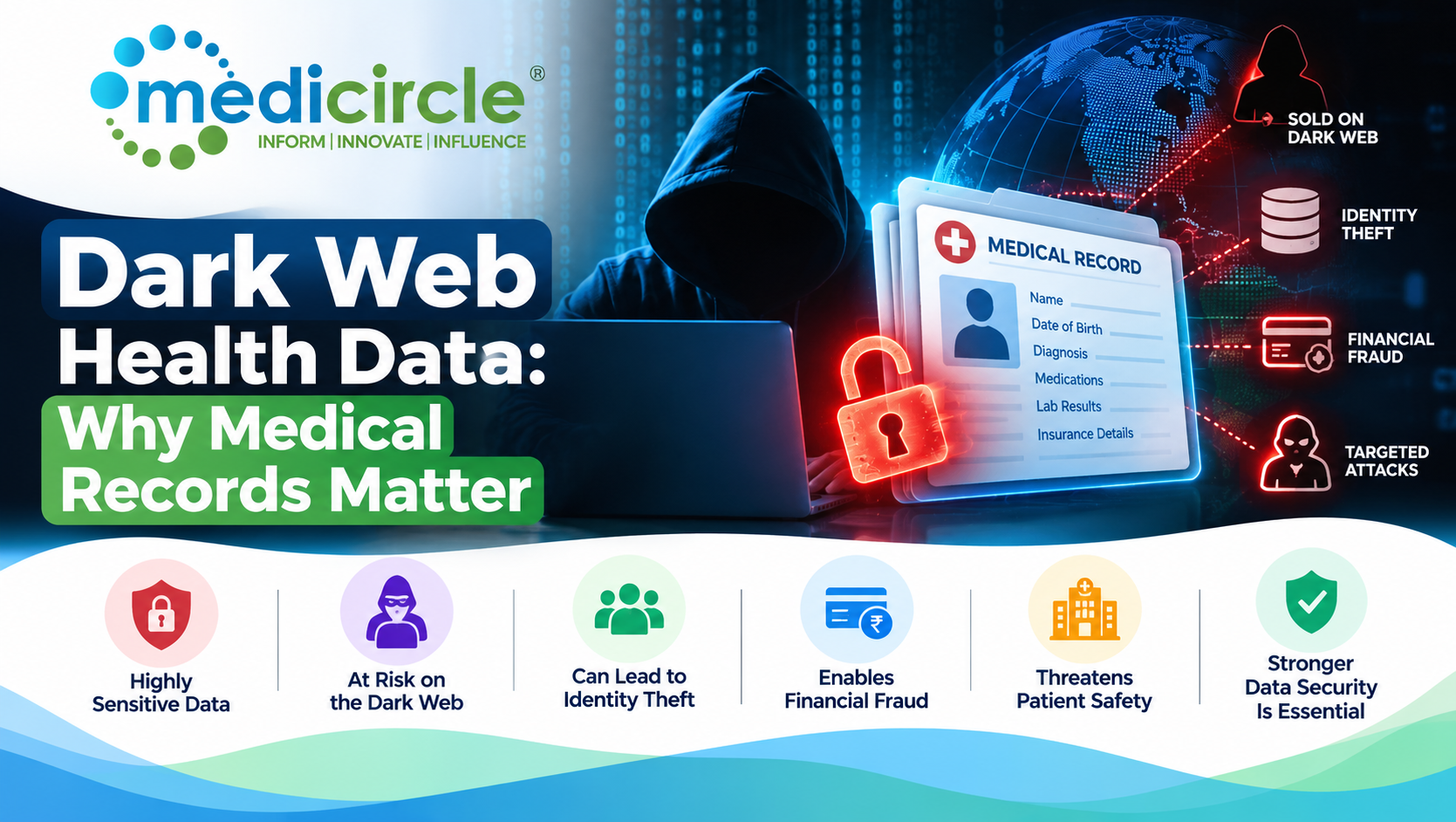
Privacy is another issue. When your most personal health data is digital, the question of who keeps it safe becomes critical. Strong laws and trustworthy systems are needed so people feel secure, not suspicious.
The human touch is the biggest worry. The concern is not about machines, but about losing personal connection. Can a screen convey comfort? Can an algorithm understand fear? This is the central challenge.
The heart of the matter:
This is the most important point to understand. The goal of all this innovation is not to replace the doctor’s wisdom or the nurse’s compassion. It is to empower them. To give them clearer information so their decisions are sharper. To free them from paperwork so they have more time for the patient in front of them. Technology works best when it strengthens the human connection rather than weakening it.
A future within reach:
So, where does this leave us? We are in the middle of a shift. New technology is reaching patients through a digital ID that unlocks their history, through video calls that bring the clinic home and through wearables that turn data into daily wisdom.
The future of healthcare in India looks less like a crowded waiting room and more like a connected ecosystem. It is a future where prevention is as easy as checking your watch, where distance does not deny care and where you are an informed partner in your own health journey. The tools are arriving. The revolution, quietly, is already here.





-23-300x250.png)

.jpeg)






.jpg)
.jpg)
.jpg)
.jpg)
.jpg)
.jpg)
.jpg)
.jpg)
.jpg)

