 Thursday, October 08, 2026
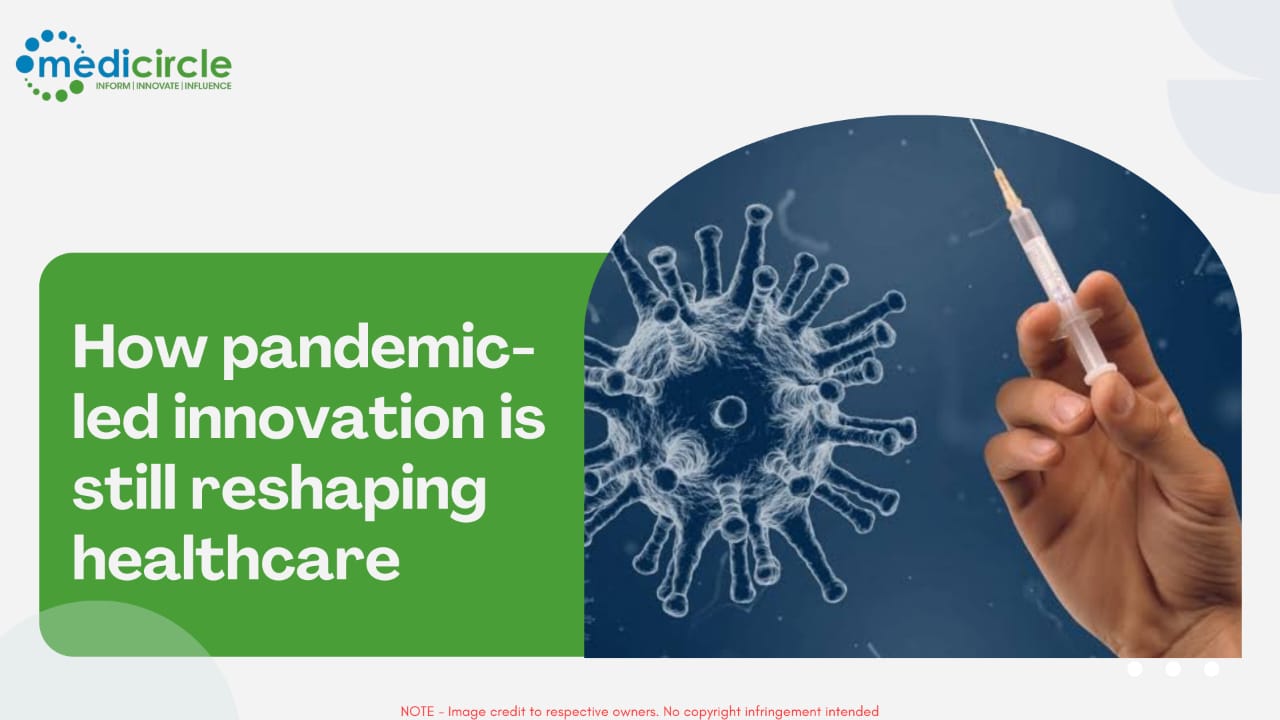
 The COVID-19 pandemic reshaped Indian healthcare, accelerating virtual care, home monitoring, preventive focus and patient empowerment, creating a more accessible, collaborative and human centered system that continues to evolve.




Remember those long, uncertain months when the world seemed to stand still? The COVID-19 pandemic was more than a health crisis; it was a moment that forced everyone to rethink how healthcare works. In India, where challenges of distance and access are real, the system had to adapt quickly. What is fascinating is that those emergency changes did not vanish when the lockdowns ended. Instead, they took root. The quick fixes of yesterday have quietly become the new normal, shaping a healthcare experience that is, in many ways, more personal and within reach than before. This is not just about new technology; it is about a fundamental shift in where and how we manage our well-being.
The doctor’s visit, reimagined:
One of the most concrete shifts has been the embrace of virtual consultations. Before 2020, the idea of discussing a health concern over a video call felt impersonal to many. But when clinics became high risk places, that screen became a lifeline. Today, that shift has solidified. People in smaller cities no longer see a specialist’s clinic in a metro as a daunting, expensive journey. For follow ups, chronic condition management or even initial psychiatric therapy, a video call is often the first step. It has broken down a major geographical barrier, making expertise accessible from the comfort of one’s living room.
This comfort with remote care has fueled another significant change: the rise of home based health monitoring. The fear of crowded hospital waiting rooms for a simple blood test pushed demand for reliable at home services. Now, getting vital signs checked, samples collected and reports delivered online is part of a streamlined health routine. It puts crucial data directly into a person’s hands, allowing for a more informed conversation with their doctor. Healthcare is no longer something that only happens to you at a clinic; it is something you can proactively start managing from your home.
Prevention takes the lead:
The pandemic delivered a harsh lesson: conditions like diabetes, hypertension and heart disease could lead to severe COVID outcomes. This stark reality jolted the collective consciousness. A growing number of people are no longer waiting for a health scare to act. There is a tangible move from simply treating sickness to actively building wellness. This aligns with the principles of preventive cardiology, where daily diet, consistent movement and stress management are as critical as any prescription.
You can see this new mindset in action. People are more curious about how their daily choices affect their health. They are reading up on how blue light from screens impacts sleep and skin or how an ergonomic chair can save their back during long work from home hours. They are using apps not just for steps, but to understand sleep patterns and nutrition. Healthcare is transforming from a sporadic reaction to illness into a continuous, conscious practice of self-care.
Smarter tools, human focus:
Advanced technology found its purpose during this period, not as a flashy replacement for doctors, but as a powerful assistant. Consider the development of open source AI that can help analyze infant brain scans. Its goal is not to replace the radiologist but to give them a sharper, faster tool, especially valuable in regions short on specialists. Similarly, robotic systems in surgery are about enhancing a surgeon’s precision for better patient recovery.
The key evolution is that this technology is increasingly aimed at solving local problems. It is not just about importing fancy gadgets; it is about adapting innovation to make quality diagnostics and minimally invasive procedures more accessible across India’s diverse landscape. The technology that kept us connected during the crisis is now being refined to bridge long standing gaps in care.
Your health, your control:
So, where does this leave us? The story of pandemic led change is ultimately a hopeful one. It shifted power. The legacy of those difficult years is a healthcare model that is more collaborative. It is a system where your first consultation can be a video call, your test reports land in your email and your daily habits are recognized as powerful medicine.
The future of health in India looks less like a distant, complex system and more like a supported, personal journey. These innovations have become simple, integrated parts of life. The most profound change is the empowerment it offers, making the pursuit of good health feel less like a duty and more like a natural, achievable part of living a fuller life. The crisis forced a leap, but we are now choosing the direction: forward, toward greater awareness, access and control over our own well-being.






.jpeg)










.jpg)
.jpg)
.jpg)
.jpg)
.jpg)
.jpg)


.jpg)