Tuesday, October 27, 2026
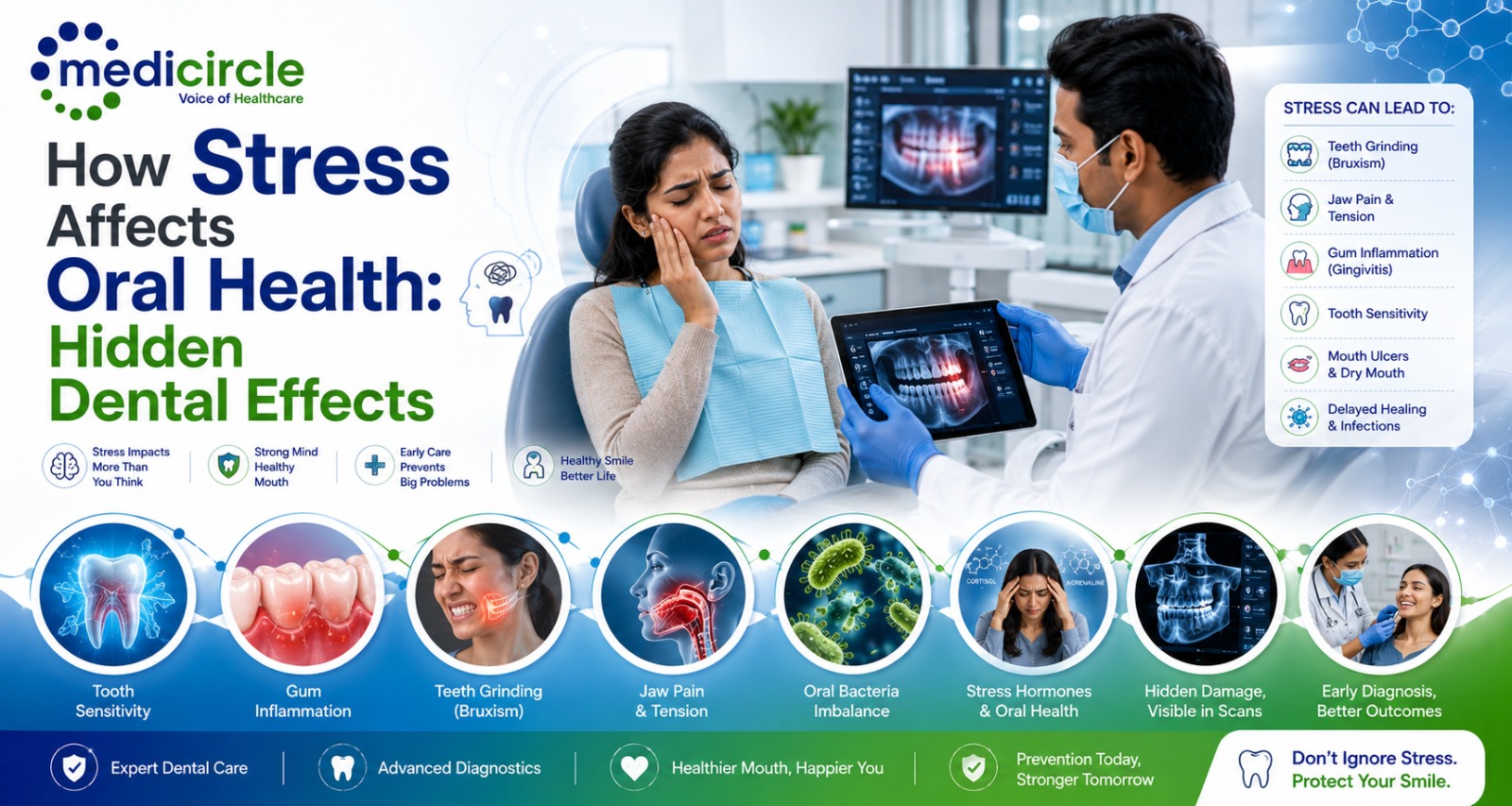
 Stress affects far more than emotional well-being. Chronic psychological stress can silently influence oral health, contributing to teeth grinding, gum inflammation, dry mouth, mouth ulcers, jaw pain, and worsening dental hygiene habits. Understanding the connection between stress and oral health is important because many dental problems develop gradually and are often overlooked until symptoms become more severe.





Stress has become a constant part of modern life. Long work hours, academic pressure, financial worries, sleep deprivation, emotional burnout, and digital overload affect millions of people daily. While most individuals recognize stress through symptoms like headaches, fatigue, irritability, or anxiety, many do not realize that chronic stress can also quietly affect oral health.
Dentists increasingly observe patients experiencing stress-related dental problems such as teeth grinding, jaw tension, gum inflammation, mouth ulcers, dry mouth, and worsening oral hygiene habits. In many cases, the individual may not even connect these symptoms to emotional stress at all.
The relationship between stress and oral health is not simply behavioral. Stress influences hormones, immune function, inflammation levels, sleep quality, and muscle tension, all of which affect the mouth and surrounding tissues. Over time, untreated stress may contribute to significant dental complications if early signs are ignored.
Understanding how stress affects oral health is important because many of these effects are preventable through lifestyle awareness, proper dental care, and early intervention.
The Connection Between Stress and Oral Health
The body responds to stress by activating the “fight-or-flight” response. During this process, stress hormones such as cortisol and adrenaline increase temporarily to help the body react to perceived threats.
Short-term stress is generally manageable. However, when stress becomes chronic, elevated cortisol levels may begin affecting multiple systems in the body, including immune response, inflammatory regulation, sleep patterns, digestion, and oral tissues.
The mouth often becomes one of the earliest places where chronic stress quietly appears.
Many individuals under prolonged stress may notice:
- Increased teeth grinding during sleep
- Jaw tightness or facial pain
- Bleeding gums
- Frequent mouth ulcers
- Dry mouth sensation
- Neglect of brushing or flossing habits
- Increased sugar cravings
- Worsening bad breath
These symptoms may seem unrelated initially, but stress often acts as an underlying contributor.
How Stress Contributes to Teeth Grinding and Jaw Problems
Bruxism and Stress-Related Teeth Grinding
One of the most common stress-related oral conditions is bruxism, commonly known as teeth grinding or jaw clenching. Many people grind their teeth unconsciously during sleep or periods of emotional tension.
Stress activates muscle tension throughout the body, especially in the jaw, neck, and facial muscles. Over time, repetitive grinding may wear down enamel and strain jaw joints.
People experiencing stress-related bruxism may notice:
- Morning jaw soreness
- Headaches near the temples
- Tooth sensitivity
- Facial muscle tightness
- Clicking sounds in the jaw
- Interrupted sleep
- Cracked or worn teeth
A young professional under intense work pressure, for example, may wake up daily with headaches and jaw discomfort without realizing they are clenching their teeth overnight due to chronic stress.
Temporomandibular Joint Dysfunction (TMJ)
Persistent jaw tension may also contribute to temporomandibular joint dysfunction, often called TMJ disorder. The temporomandibular joint controls jaw movement during speaking and chewing.
Chronic stress increases muscle tightness around this joint, potentially causing:
- Difficulty chewing
- Jaw stiffness
- Facial pain
- Ear discomfort
- Clicking or popping sensations
- Restricted jaw movement
Many patients initially assume these symptoms are purely dental problems when emotional tension is playing a major role.
Stress, Gum Disease, and Inflammation
How Chronic Stress Weakens Gum Health
Stress affects immune function significantly. Elevated cortisol levels may weaken the body’s ability to regulate inflammation and fight bacterial infections effectively.
As a result, individuals under prolonged stress may become more vulnerable to:
- Gum inflammation
- Gingivitis
- Periodontal disease
- Slow healing after dental procedures
- Increased oral infections
Even people maintaining relatively decent oral hygiene may notice worsening gum symptoms during periods of emotional stress.
Behavioral Changes That Affect Gum Health
Stress also changes daily habits in ways that indirectly harm oral health. During emotionally demanding periods, people often:
- Skip brushing at night
- Forget flossing
- Consume more sugary foods
- Smoke more frequently
- Drink excess caffeine or alcohol
- Sleep poorly
These behaviors create an environment where harmful oral bacteria thrive more easily.
For example, a university student during examination periods may begin sleeping irregularly, consuming more processed foods, neglecting oral hygiene, and developing bleeding gums within weeks.
Dry Mouth and Stress-Related Oral Changes
Why Stress Causes Dry Mouth
Stress and anxiety may reduce saliva production in some individuals. Certain medications used for anxiety, depression, or stress management can also contribute to dry mouth symptoms.
Saliva plays an essential role in protecting oral tissues by:
- Neutralizing acids
- Washing away bacteria
- Supporting enamel health
- Reducing bad breath
- Preventing tooth decay
When saliva decreases, oral tissues become more vulnerable to irritation and infection.
Common dry mouth symptoms include:
- Sticky mouth sensation
- Difficulty swallowing
- Increased thirst
- Cracked lips
- Persistent bad breath
- Burning sensation in the mouth
Over time, chronic dry mouth may increase the risk of cavities and gum disease.
Mouth Ulcers and Stress
Many people notice recurring mouth ulcers during emotionally stressful periods. Although the exact mechanism is complex, stress appears to influence immune regulation and inflammatory responses inside the mouth.
Stress-related ulcers often appear:
- During academic pressure
- After emotional conflicts
- During sleep deprivation
- In periods of burnout
These ulcers are usually painful and may interfere with eating or speaking temporarily.
While occasional ulcers are common, persistent or unusually severe mouth sores should still be evaluated by a dental professional.
How Stress Affects Oral Hygiene Habits
Emotional Exhaustion and Self-Care Neglect
One overlooked effect of chronic stress is reduced motivation for self-care routines. People experiencing emotional exhaustion may neglect even basic health habits.
This includes:
- Skipping brushing
- Forgetting flossing
- Delaying dental appointments
- Ignoring dental pain
- Consuming convenience foods frequently
Over time, these small behavioral changes accumulate and increase the risk of long-term oral health problems.
Stress Eating and Sugar Consumption
Stress often changes eating behavior. Many individuals crave high-sugar or highly processed comfort foods during stressful periods because the brain seeks rapid emotional reward.
Frequent snacking and sugary beverages increase bacterial activity in the mouth, contributing to:
- Tooth decay
- Plaque accumulation
- Gum inflammation
- Acid erosion
Late-night stress eating combined with poor oral hygiene may worsen dental issues significantly.
The Relationship Between Sleep, Stress, and Oral Health
Stress and poor sleep frequently occur together, creating additional strain on oral health.
Sleep deprivation may worsen:
- Teeth grinding
- Immune dysfunction
- Inflammation
- Dry mouth
- Delayed healing
People experiencing chronic stress often sleep poorly, which increases fatigue and emotional exhaustion further. This creates a cycle where stress affects sleep, and poor sleep intensifies stress-related oral problems.
Signs Stress May Be Affecting Your Oral Health
Some common warning signs include:
- Frequent jaw clenching
- Morning headaches
- Tooth sensitivity
- Bleeding gums
- Mouth ulcers
- Dry mouth
- Persistent bad breath
- Cracked teeth
- Facial muscle tightness
- Increased dental pain during stressful periods
Recognizing these early signs may help prevent more severe dental complications later.
How to Protect Oral Health During Stressful Periods
Maintain Consistent Oral Hygiene
Even during emotionally demanding periods, maintaining simple oral care routines remains important.
Helpful habits include:
- Brushing twice daily
- Flossing consistently
- Staying hydrated
- Limiting sugary snacks
- Using fluoride toothpaste
- Scheduling regular dental checkups
Small daily habits help protect oral tissues from stress-related damage.
Manage Stress More Effectively
Improving stress management often improves oral health indirectly. Helpful strategies may include:
- Regular physical activity
- Meditation or deep breathing
- Better sleep routines
- Reduced screen time before bed
- Spending time outdoors
- Talking with supportive people
- Professional mental health support when needed
Addressing the emotional cause often improves physical symptoms naturally.
Seek Dental Evaluation Early
Many stress-related oral conditions become easier to manage when identified early. Persistent jaw pain, gum bleeding, mouth ulcers, or teeth grinding should not be ignored.
Dentists may recommend:
- Mouth guards for bruxism
- Gum treatments
- Dry mouth management
- Lifestyle adjustments
- Referral for stress management support if necessary
Early intervention often prevents more serious complications later.
Conclusion
Stress affects much more than emotional health. Chronic stress can quietly influence the mouth through inflammation, muscle tension, immune changes, dry mouth, and disrupted daily habits. Over time, these effects may contribute to gum disease, teeth grinding, jaw pain, cavities, and worsening oral hygiene.
The connection between stress and oral health is important because many people overlook the early warning signs. Symptoms such as jaw soreness, bleeding gums, mouth ulcers, or dry mouth may appear gradually and are often dismissed as minor issues.
Understanding this relationship allows individuals to recognize that oral health is closely connected to overall physical and mental well-being. Small lifestyle changes, consistent dental care, stress management, and early professional support can significantly reduce the long-term impact of stress on oral health.
FAQs
How does stress affect oral health?
Stress can affect oral health by increasing inflammation, weakening immune response, causing teeth grinding, reducing saliva production, and influencing poor oral hygiene habits.
Can stress cause teeth grinding?
Yes. Chronic stress and anxiety are strongly associated with bruxism, which involves unconscious teeth grinding or jaw clenching, especially during sleep.
Why do gums bleed more during stressful periods?
Stress may weaken immune function and increase inflammation, making gums more vulnerable to gingivitis and bacterial irritation.
Can stress cause dry mouth?
Yes. Stress, anxiety, and some medications may reduce saliva production, leading to dry mouth symptoms and increased cavity risk.
What are common oral symptoms of stress?
Common symptoms include jaw pain, teeth grinding, mouth ulcers, bleeding gums, dry mouth, headaches, and bad breath.
Does stress increase the risk of gum disease?
Chronic stress may increase susceptibility to gum disease because it affects immune regulation and inflammatory response.
Can stress cause mouth ulcers?
Yes. Many individuals experience recurring mouth ulcers during periods of emotional stress, poor sleep, or mental exhaustion.
How does poor sleep affect oral health?
Poor sleep may worsen teeth grinding, immune dysfunction, inflammation, dry mouth, and delayed healing inside the mouth.
Can anxiety affect dental health?
Yes. Anxiety may contribute to jaw clenching, poor oral hygiene habits, dry mouth, and increased stress-related dental problems.
How can I protect my oral health during stressful periods?
Maintaining consistent brushing and flossing, staying hydrated, improving sleep quality, managing stress levels, and attending regular dental checkups can help protect oral health during stressful times.





-23-300x250.png)

.jpeg)






.jpg)
.jpg)
.jpg)
.jpg)
.jpg)
.jpg)
.jpg)
.jpg)
.jpg)