 Tuesday, October 27, 2026
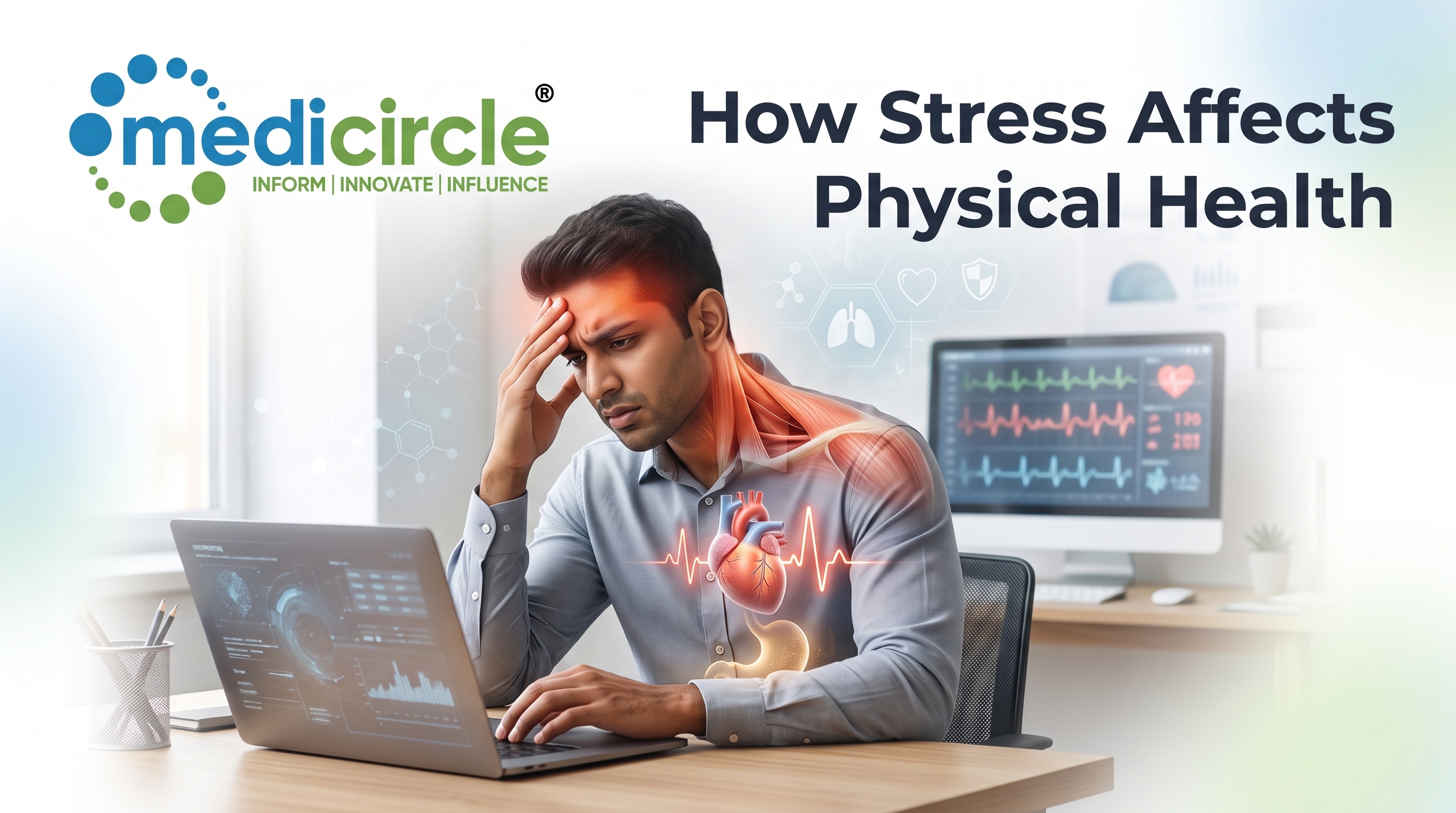
 This article explains how chronic stress affects the heart, digestion, immunity, and hormones, and outlines practical, evidence based strategies for managing stress and protecting long term physical health.




Introduction
Stress has become an inseparable part of modern life, particularly for people living in India's fast growing cities and towns. Between demanding work schedules, financial pressures, family responsibilities, and the constant pace of urban living, the body is frequently asked to respond to challenges it was never designed to face so often. While a certain amount of stress is a normal and even useful part of daily functioning, prolonged or chronic stress can quietly affect nearly every system in the body. Understanding how stress affects physical health is not simply an academic exercise. It has real implications for heart health, digestion, immunity, and long term wellbeing. This article explains what happens inside the body during stress, how chronic stress contributes to disease, and what practical, evidence based steps can help protect physical health in the face of everyday pressures.
Understanding the Body's Stress Response
When the brain perceives a threat or a demanding situation, a small structure called the hypothalamus activates a chain of hormonal signals. This triggers the adrenal glands to release stress hormones, primarily adrenaline and cortisol. Adrenaline increases heart rate and provides a quick burst of energy, while cortisol raises blood sugar levels and temporarily suppresses functions that are not immediately necessary, such as digestion and reproduction. This response, often called the fight or flight reaction, is meant to be short lived. Once the perceived threat passes, hormone levels are supposed to return to normal.
The difficulty arises when stress becomes constant rather than occasional. In that situation, the body remains in a heightened state of alert for extended periods. This is where chronic stress begins to cause measurable harm to physical health rather than simply causing temporary discomfort.
Primary Causes and Risk Factors
Several factors contribute to chronic stress among Indian populations today. Long working hours, commuting stress in Tier 1 and Tier 2 cities, financial insecurity, academic pressure among students, caregiving responsibilities, and social expectations all play a significant role. Urban lifestyles that involve limited physical activity, irregular sleep patterns, and reliance on processed food further compound the body's vulnerability to stress related illness.
Certain groups face higher risk. Working professionals in high pressure sectors, women managing multiple roles at home and work, students preparing for competitive examinations, and individuals with pre-existing health conditions often experience more pronounced physical effects of stress. Genetics and early life experiences also influence how strongly a person's body reacts to stress, meaning that the same stressful situation can affect two individuals quite differently.
Recognizing the Symptoms
The physical symptoms of stress often develop gradually, which is why many people overlook them until they become more serious. Common physical signs include persistent headaches, muscle tension, particularly in the neck, shoulders, and back, and unexplained fatigue despite adequate rest.
The digestive system is often affected as well, with symptoms such as acidity, bloating, altered bowel patterns, and loss of appetite or overeating. Sleep disturbances, including difficulty falling asleep or staying asleep, are also common. Some individuals notice changes in their skin, such as increased acne or flare-ups of existing skin conditions, while others report a weakened immune response, leading to more frequent colds and infections.
A few key areas deserve particular attention:
- Cardiovascular symptoms such as a racing heartbeat, elevated blood pressure, or chest tightness during stressful periods
- Musculoskeletal symptoms including jaw clenching, tension headaches, and chronic back or neck pain
- Reproductive and hormonal symptoms such as irregular menstrual cycles in women or reduced libido in both men and women
Recognizing these symptoms early allows for timely intervention before they progress into more serious health conditions.
How Chronic Stress Affects Major Body Systems
Cardiovascular SystemRepeated activation of the stress response places ongoing strain on the heart and blood vessels. Elevated cortisol and adrenaline levels contribute to increased blood pressure, higher cholesterol levels, and inflammation in the arteries. Over time, this raises the risk of hypertension, heart disease, and stroke. Given that cardiovascular disease is already a leading cause of mortality in India, understanding this connection is particularly relevant for Indian readers.
Digestive SystemThe gut and brain are closely connected through what researchers call the gut-brain axis. Chronic stress can alter digestion, weaken the intestinal barrier, and disrupt the balance of gut bacteria. This can worsen conditions such as acidity, irritable bowel syndrome, and other functional digestive disorders that are increasingly common among working professionals in India.
Endocrine and Metabolic HealthCortisol plays a central role in regulating blood sugar and energy metabolism. When cortisol remains elevated for prolonged periods, it can contribute to insulin resistance, weight gain, and an increased risk of metabolic conditions such as type 2 diabetes, a disease that already affects a substantial portion of India's adult population.
Immune FunctionShort bursts of stress can temporarily boost immune activity, but chronic stress has the opposite effect. It suppresses immune function, making the body more susceptible to infections and slower to heal. This is one reason people under prolonged stress often report falling ill more frequently.
Reproductive HealthStress can influence hormonal balance in both men and women. In women, it may lead to irregular periods or worsened premenstrual symptoms. In men, chronic stress has been linked to reduced testosterone levels and lower sperm quality. For couples trying to conceive, unmanaged stress can be an additional, often overlooked, contributing factor.
Diagnosis and Medical Evaluation
There is no single diagnostic test for stress itself, but doctors evaluate its physical impact through a combination of clinical history, physical examination, and relevant investigations. Blood pressure checks, blood sugar and lipid profile tests, thyroid function tests, and sometimes cortisol level assessments help determine whether stress has contributed to measurable physiological changes.
It is important for individuals experiencing persistent physical symptoms to consult a doctor rather than assuming these are simply the result of a busy lifestyle. A qualified physician can rule out other underlying conditions and confirm whether stress is a contributing factor, ensuring that treatment addresses the root cause rather than just the symptoms.
Treatment Options and Management Strategies
Managing the physical effects of stress typically involves a combination of lifestyle changes, professional support, and, where necessary, medical treatment for specific stress-related conditions.
Regular physical activity is one of the most effective ways to regulate stress hormones and improve cardiovascular health. Even thirty minutes of walking, yoga, or any form of moderate exercise most days of the week can make a measurable difference. Adequate sleep, ideally seven to eight hours a night, allows the body to recover and regulate hormone levels more effectively.
Mind-body practices rooted in Indian tradition, such as yoga and pranayama, have gained recognition for their role in reducing physiological stress markers. Structured relaxation techniques, deep breathing exercises, and mindfulness practices can help calm the nervous system.
For individuals experiencing more severe or persistent symptoms, professional support from a psychologist or counselor can provide structured coping strategies. In some cases, doctors may recommend treatment for specific conditions that have developed as a result of chronic stress, such as hypertension or digestive disorders, alongside stress management guidance.
Prevention and Proactive Health Measures
Preventing the long term physical effects of stress requires consistent, sustainable habits rather than occasional efforts. Maintaining a balanced diet rich in whole grains, vegetables, and adequate protein supports the body's resilience to stress. Limiting excessive caffeine, alcohol, and tobacco use is equally important, as these substances can amplify the body's stress response rather than relieve it.
Building a reliable support system of family and friends, setting realistic boundaries at work, and making time for hobbies or activities that bring genuine relaxation all contribute to long term resilience. Organisations and workplaces in India are increasingly recognising the importance of employee wellbeing, and seeking support through workplace wellness programs, where available, can also be beneficial.
Periodic health checkups, particularly for blood pressure, blood sugar, and cholesterol levels, allow early detection of any physical changes linked to chronic stress. Digital health tools available through platforms like the Ayushman Bharat Digital Mission can help individuals track and manage their health records more effectively over time.
Conclusion
Stress is an unavoidable part of life, but its impact on physical health does not have to be inevitable. Understanding how the body responds to stress, recognizing early warning signs, and adopting consistent, healthy coping strategies can significantly reduce the long term risks to heart health, digestion, immunity, and hormonal balance. For those experiencing persistent physical symptoms, seeking timely medical guidance remains the most reliable path toward both understanding and managing the condition effectively. As awareness around mental and physical health continues to grow in India, prioritizing stress management is increasingly being recognized not as a luxury, but as an essential part of overall healthcare.
Frequently Asked Questions
Q1: Can stress actually cause physical illness or is it only a mental health issue?
Yes, stress can cause genuine physical illness. When stress becomes chronic, elevated cortisol and adrenaline levels affect the heart, digestive system, immune function, and hormonal balance, contributing to conditions such as high blood pressure, digestive disorders, and frequent infections.
Q2: What are the early physical warning signs of chronic stress?
Early physical signs include persistent headaches, muscle tension, disturbed sleep, fatigue, digestive discomfort, and a weakened immune response leading to frequent colds or infections.
Q3: How does stress affect the heart specifically?
Stress raises heart rate and blood pressure through adrenaline and cortisol release. When this response is triggered repeatedly over time, it increases the risk of hypertension, coronary artery inflammation, and cardiovascular disease.
Q4: Can stress management actually reverse some physical health effects?
Yes, many stress-related physical effects can improve significantly with consistent stress management. Regular physical activity, adequate sleep, relaxation practices, and professional support can help restore hormonal balance and reduce long-term health risks.
Q5: When should someone consult a doctor about stress-related symptoms?
A doctor should be consulted if physical symptoms such as chest discomfort, persistent digestive issues, prolonged sleep disturbance, or unexplained fatigue continue for several weeks, or if stress begins to interfere with daily functioning.
Resources
- World Health Organization (WHO): Guidelines and reports on stress and noncommunicable disease risk
- Indian Council of Medical Research (ICMR): Research publications on chronic disease and lifestyle factors
- Ministry of Health and Family Welfare (MoHFW), Government of India: National health guidelines and public health resources
- National Institute of Mental Health and Neurosciences (NIMHANS): Resources on stress and mental health in the Indian context
- PubMed Central (National Library of Medicine): Peer-reviewed research on stress physiology and disease
Interlinking Keywords
chronic stress symptoms, stress and heart disease, managing workplace stress, stress and digestive health, mental health awareness India, hormonal imbalance causes, preventive health checkups
Last medically reviewed by:
Medicircle Medical Advisory Panel on July 14, 2026
Medical Disclaimer:
This article is intended for general informational and educational purposes only and does not constitute medical advice. It should not be used as a substitute for professional medical consultation, diagnosis, or treatment. Always seek the guidance of a qualified physician or healthcare provider regarding any medical condition or before making changes to your health, lifestyle, or treatment plan.





-23-300x250.png)

.jpeg)






.jpg)
.jpg)
.jpg)
.jpg)
.jpg)
.jpg)
.jpg)
.jpg)
.jpg)



