 Thursday, October 08, 2026
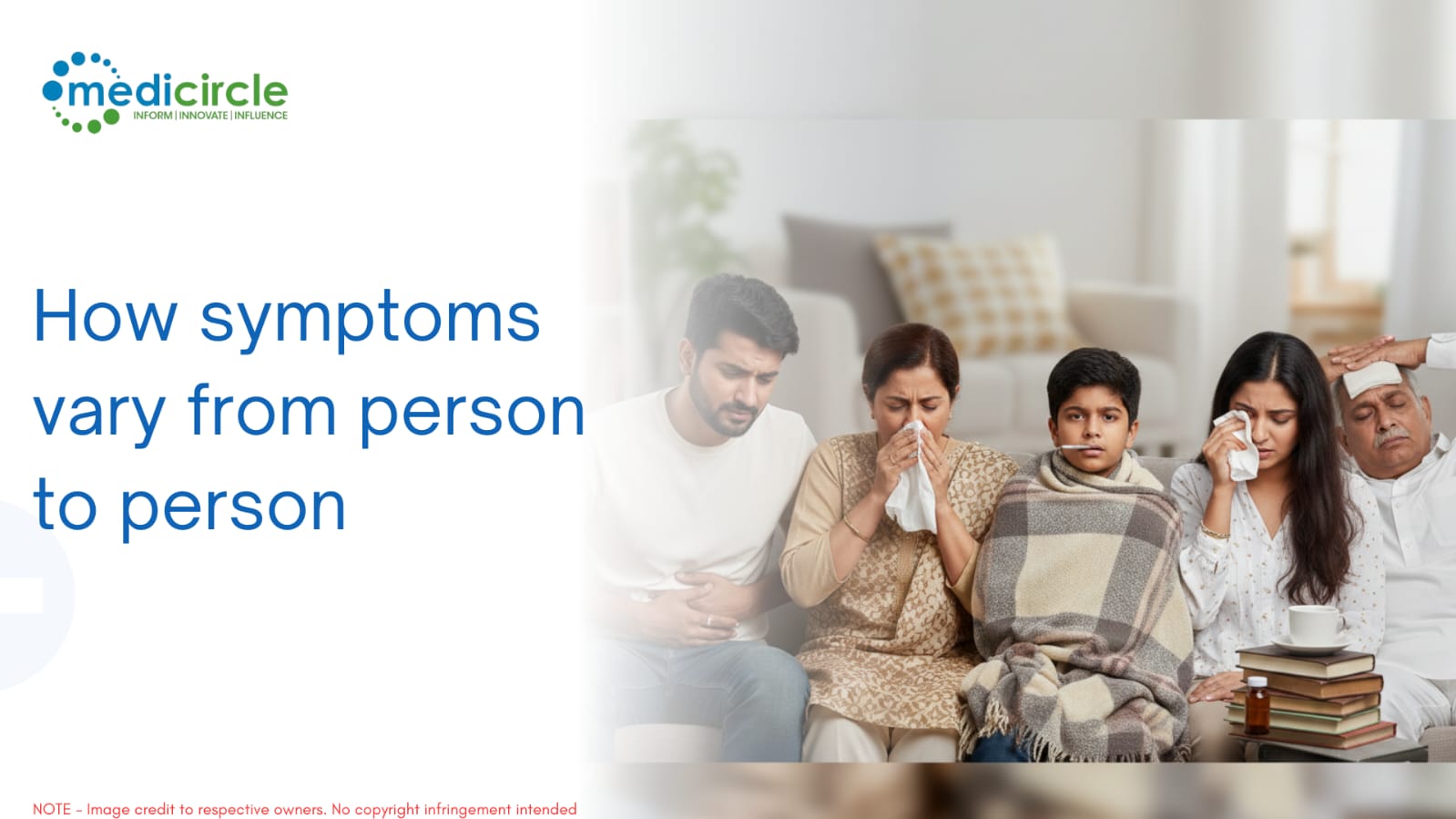
 Illness does not follow a template. The same infection affects people differently due to immunity, genetics, lifestyle, and mental health, making symptoms deeply personal and uniquely experienced.




Sometimes you hear two neighbors describe the exact same viral fever, and their experiences sound like completely different illnesses. One person says they were shattered for a week, barely able to get out of bed. The other person shrugs and says they felt a bit off for a day or two, maybe a slightly runny nose, and then they were fine. This happens all the time, in every neighborhood, and it naturally makes you wonder how the same bug floating around town can hit people in such completely opposite ways.
Doctors deal with this puzzle every single day when patients walk into their clinics. The medical textbooks they studied from describe diseases in neat little boxes with standard symptoms listed point by point. But anyone who has spent time in a real clinic knows that patients rarely read those textbooks. The way illness shows up in the body is messy, unpredictable, and deeply personal. There is no factory setting for the human body where every machine beeps the same way when something goes wrong. Understanding this from the start helps people become more aware of their own health instead of just panicking and comparing themselves to everyone around them.
Your Body, Your Rules:
Maybe a simple way to look at it is to think of the body like a piece of land. If rain falls on a dry desert, it behaves one way. If the same rain falls on a thick forest, it behaves completely differently. The rain is the same, but the land absorbs and reacts in its own unique manner. A virus or bacteria entering the body is that rain. It lands on whatever internal terrain exists inside each person.
The biggest factor that decides how sick someone actually feels is the immune system hiding under the surface. Consider two colleagues working in the same cramped office in Mumbai, sharing the same stuffy air and the same stress. One of them catches the virus floating around and maybe sneezes a few times, feels perfectly fine otherwise, and continues working. The other person catches the exact same virus and ends up flat on the bed with high fever for five days straight. This situation is not a mystery. It is simply biology at work. The first person might have a well-rested and properly fueled immune system that quietly fights off the invader before any real damage happens. The second person might be running on empty, stressed out, and sleeping poorly, and the body has to launch a full-scale war to push the virus out, which means high temperatures, body aches, and exhaustion.
The Genetics Factor:
Then there is the genetic script written into every person's body that quietly influences how symptoms show up. Some people feel heart attacks as that classic crushing weight on the chest. Others feel something entirely different, maybe just weird indigestion, maybe pain in the jaw, maybe sudden extreme tiredness that makes no sense. Research has shown that the way nerves send pain signals to the brain varies from person to person, and even between men and women. A woman having a cardiac event might walk around feeling nauseous or notice pain in the back or jaw, never once feeling the chest pain that everyone talks about. If she does not know this possibility exists, and if the doctor does not ask the right questions, precious time gets wasted.
Daily habits also stage-manage the entire show. Take something as routine as acidity and reflux. One person feels the burning rising up the chest right after eating spicy food. Another person feels no burn at all but wakes up with a chronic cough or a hoarse voice that will not go away. The acid remains present and continues damaging the throat, but the symptom has shifted because of how that person eats, sleeps, and lives. The same condition presents completely different faces.
Mind over Body:
There is another layer here that doctors are finally talking about openly, and that is how much the mind influences physical symptoms. Anxiety and depression do not stay locked in the head. They leak into the body and find their own ways of screaming for attention. A person stressed out from work pressures in a city like Bangalore might develop Irritable Bowel Syndrome, running to the bathroom with cramps even though no infection exists anywhere. Another person with the same kind of stress might end up with tension headaches that start at the back of the neck and spread forward. Yet another person might break out in skin rashes that have no clear cause. The emotional weight remains the same, but each body picks its own way to raise the alarm.
Listen Closely:
So what does any of this mean for someone reading this article and wondering about their own health? Comparing your recovery time to your brother's recovery time or your neighbor’s symptom list is mostly a waste of energy. The person who proudly announces they had no fever so it could not be an infection might be completely wrong and might be missing the real picture. Typing one symptom into a search engine late at night is a dangerous game. The search engine does not know your body. It does not know that your blood pressure runs low, or that you are anemic, or that you have not slept properly in a week, or that you are under medication for something else entirely. It simply throws back terrifying possibilities that may have nothing to do with your actual situation.
The real answer lies in better communication. When someone visits a doctor, just listing a symptom is not enough. Describing how it actually feels, what changed in daily routine, and what was happening in life before it started matters more than people realize. For a platform like Medicircle.in that tries to put reliable health information out there, the message remains simple. Health is not a template. Health is not a checkbox. Health is a living, breathing, and deeply personal experience. The disease might have a textbook name, but the way it lives inside a person belongs to that person alone. Recognizing that reality is where real understanding begins.






.jpeg)








.jpg)
.jpg)
.jpg)
.jpg)
.jpg)
.jpg)


.jpg)
.jpg)
.jpg)