Wednesday, October 07, 2026
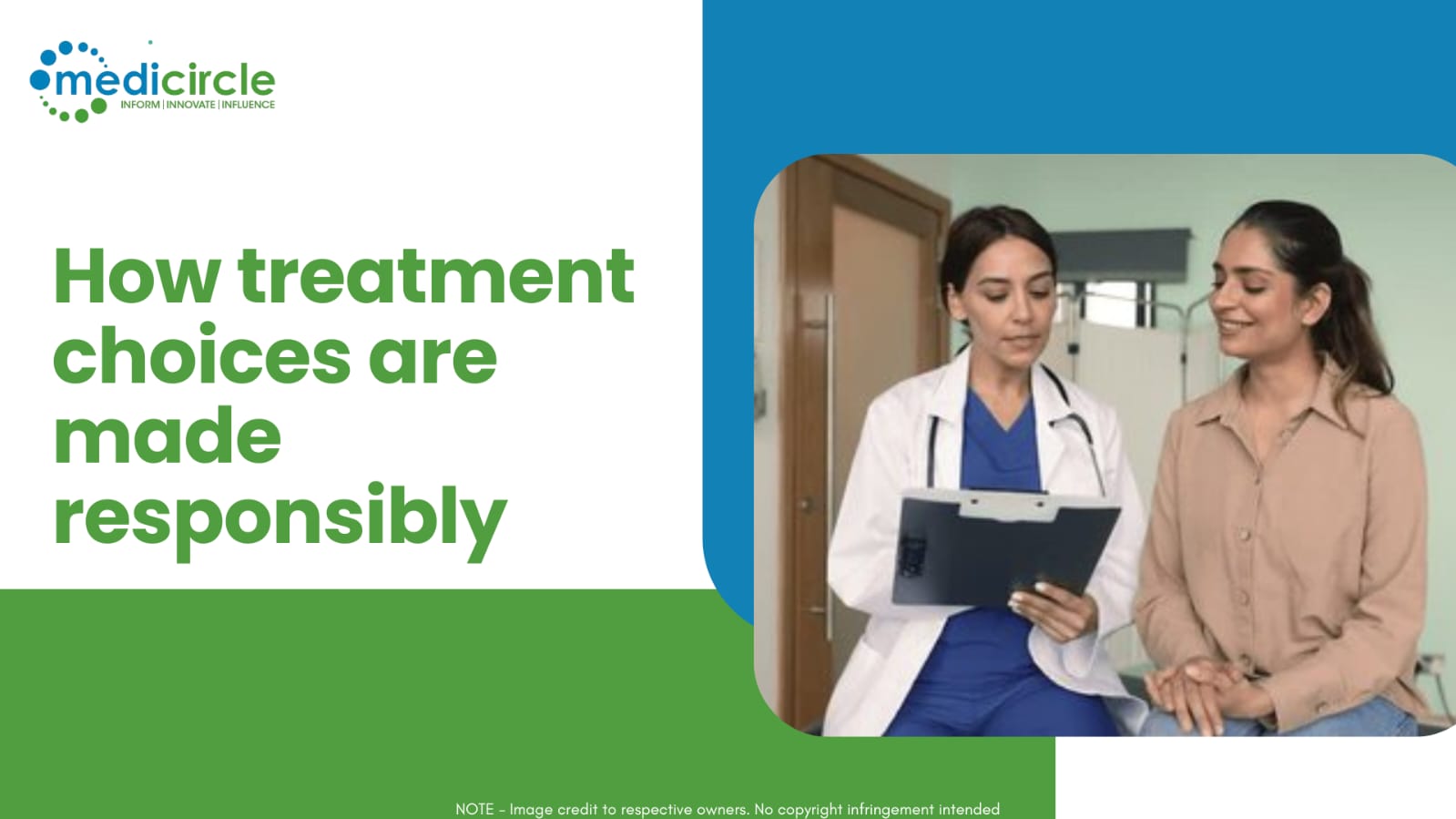
 Responsible treatment choices involve balancing clinical evidence, financial feasibility, and patient values. By utilizing technology and shared decision-making, Indian families can navigate healthcare complexities to ensure safe and effective long-term outcomes.




Selecting a medical treatment plan represents a critical turning point for any individual or their family members. Within the Indian healthcare landscape, this choice is rarely limited to a clinical diagnosis alone. It remains a complex blend of scientific guidance, family values, and practical daily realities. Making these choices in a responsible manner means finding a path that treats the illness while also respecting the quality of life and future of the person. When people approach healthcare decisions with clarity and specific intent, they move away from confusion and toward a sustainable recovery process.
Scientific Foundational Principles:
Every sound medical decision begins with proven facts and clinical data. Doctors in India today rely on global clinical guidelines and peer-reviewed research to recommend the most effective path forward. This process is often referred to as finding the gold standard of care. This term describes the treatment that has consistently shown the highest success rate for a specific medical condition.
By evaluating the age of the patient and the severity of the illness, medical professionals can remove uncertainty from the process. This evidence-based approach provides a reliable structure for everyone involved. It gives families a sense of security, knowing that the primary recommendation is backed by solid data and designed for maximum safety.
Assessing Risk Factors:
No medical procedure is entirely without risk, and a responsible decision requires looking at those risks with complete honesty. In India, what works for one person might not be the best fit for another individual? For instance, a major surgery might offer a slightly higher success rate, but for an elderly patient, a less invasive procedure could be the more responsible choice. This is especially true if the alternative offers a much faster recovery time.
Transparency remains essential during this stage of the journey. A clear explanation of potential side effects and the probability of a positive outcome helps everyone understand the reasoning behind a specific choice. This level of honesty prepares the patient and their caregivers for the road ahead. It focuses on both the immediate recovery and how life will look in the coming years.
Financial Practical Realities:
In our country, the cost of care is a major factor in how treatment paths are selected. A responsible plan must be financially sustainable for the family. If a treatment causes extreme financial hardship, it can take a toll on the health of the family that is just as severe as the disease itself. Therefore, a realistic look at hospital bills and medication costs is a vital step in the process.
Modern healthcare platforms are making these costs more transparent for the general public. This allows families to compare options between government facilities, private hospitals, and specialized medical centers. Furthermore, practical details must be part of the conversation. These details include how close a hospital is to home and who will be available to help during the recovery period. A plan only works if it can be followed through to the end without any interruption.
Digital Technology Impact:
The digital revolution has changed how we interact with the medical world on a daily basis. Patients today are more informed than they were in previous generations. With a few clicks, individuals can research their symptoms or check the credentials of a specialist. This access to information makes the decision-making process more democratic for everyone.
Technology also makes it much easier to seek a second opinion from another expert. Through teleconsultations and digital health records, a family can quickly get a fresh perspective. This practice is not about doubting a doctor. It is about doing the due diligence required to feel confident in the chosen path. Digital tools provide a broader clinical view, ensuring the final decision is as thorough as possible.
Shared Decision Making:
The old way of healthcare, where the doctor made every decision without any input, is quickly fading. Today, the focus has shifted toward shared decision-making models. In this model, the doctor provides the medical expertise, while the patient and their family provide the necessary personal context. This collaboration is especially important in India, where the collective voice of the family often guides the way.
Being a responsible patient means being an active participant in the process. It involves asking questions about why a specific test is necessary. It also means asking what the quality of life will look like after a procedure is completed. When a patient feels heard and understands the goals of the treatment, they are much more likely to stick to the plan.
Ethics and Dignity:
Ethics serve as the quiet guide in every medical choice made today. This involves honoring the right of the patient to choose their own path. This includes the right to refuse a treatment or opt for comfort-based care when aggressive measures are no longer helpful. Responsible healthcare recognizes that medicine has its limits. Preserving the dignity of a person is just as important as treating their physical body.
Doctors are increasingly focused on these ethical nuances. They ensure that the wishes of the patient remain the top priority at all times. Whether managing a long-term illness or making decisions at the end of life, the focus stays on the person rather than just the medical case. Honest conversations about the future allow families to prepare both emotionally and practically.
Long Term Planning:
A truly responsible medical choice looks past the immediate crisis. Many health issues in India require lifelong attention. In these cases, choosing a treatment is actually choosing a new way of living for the individual. It is not just about a single surgery or a round of pills. It is about the comprehensive after-care.
A holistic plan includes dietary changes and physical therapy. By looking at the entire health ecosystem of the individual, doctors and families can create a recovery path that is truly sustainable. The goal is not just to survive the illness. The goal is to return to a productive and fulfilling life for the long haul.






.jpeg)




.jpg)
.jpg)
.jpg)
.jpg)
.jpg)
.jpg)


.jpg)
.jpg)
.jpg)
.jpg)
.jpg)
.jpg)