 Thursday, October 08, 2026
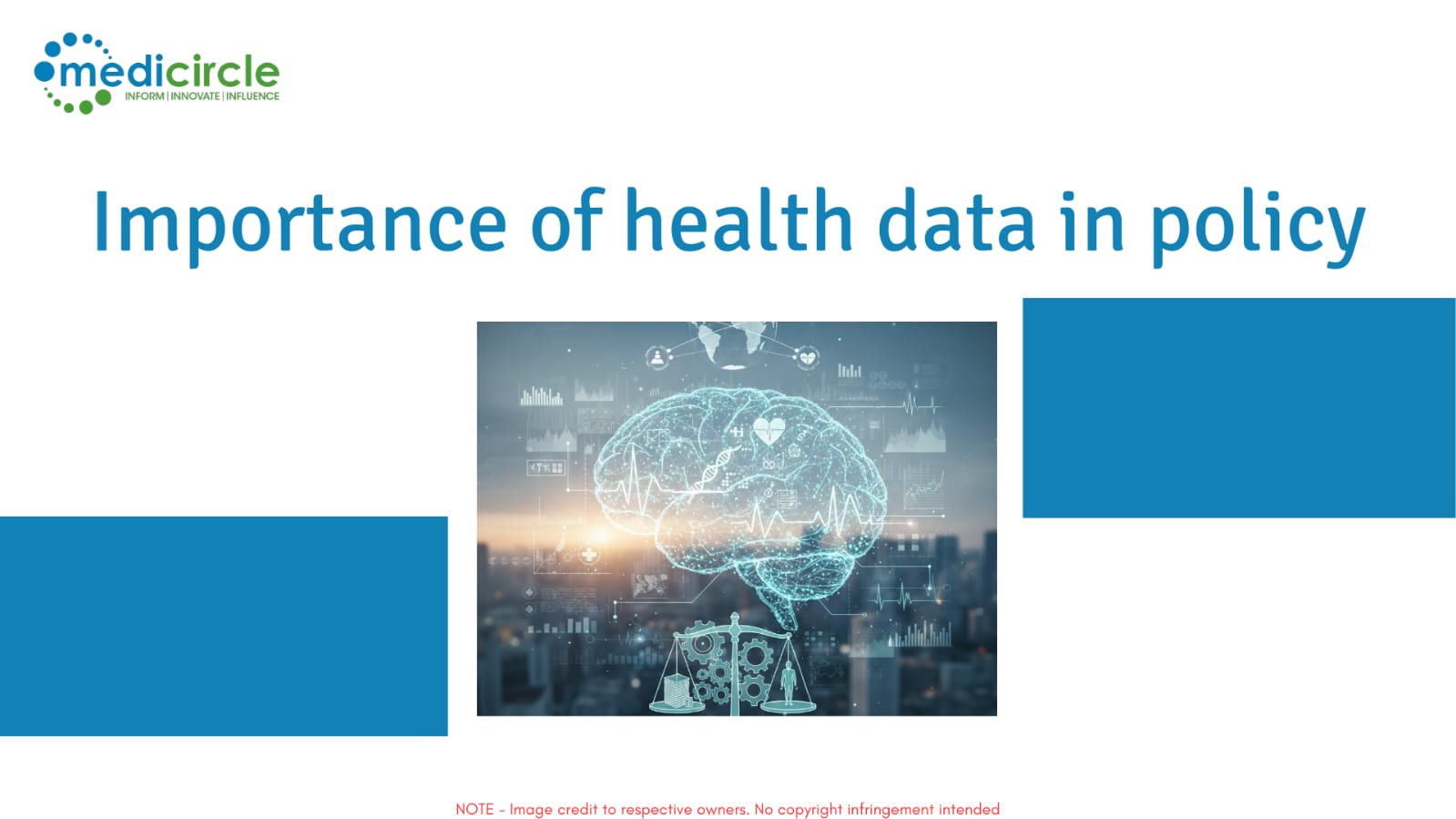
 Health data serves as a strategic map for Indian healthcare policy. It improves rural access, reduces financial burdens, and enables proactive disease prevention to ensure no citizen is left behind.




In a nation of over one billion people, delivering high quality healthcare represents one of the most intricate challenges on the planet. While many perceive medicine as a simple interaction between a patient and a physician, a powerful underlying force ensures the entire system operates effectively. This force is data. Rather than being mere numbers on a page, health data serves as a strategic map. It identifies where assistance is required, who faces the greatest risks, and how public health funds can be utilized most efficiently.
Improving Rural Access:
One of the most significant obstacles in India remains the delivery of medical services to remote areas. Major cities possess world class facilities, yet many rural residents continue to struggle for basic medical attention. Data serves as the vital link that bridges this divide. By monitoring regional health patterns, authorities can move away from guesswork and begin to implement solutions with absolute precision.
When information reveals a sudden increase in illness within a specific industrial zone or nutritional gaps in a rural district, the response can be immediate. Instead of relying on broad programs, the government can dispatch mobile clinics and specialized staff to the exact locations where a crisis is emerging.
Reducing Financial Stress:
For a typical Indian family, a sudden medical emergency can lead to total financial ruin. A large portion of healthcare spending in India is paid directly by the patient. Initiatives such as the Ayushman Bharat Digital Mission are working to change this reality. By digitizing medical records, the system eliminates the heavy burden of paperwork and reduces the bureaucracy that often delays insurance claims and hospital admissions.
Standardized data makes the entire healthcare framework more efficient. It allows the government to allocate budgets more accurately for long term conditions like heart disease or diabetes. Furthermore, it helps manage the distribution of medicine. By understanding which regions require specific supplies, the system prevents life-saving drugs from expiring in one location while patients elsewhere suffer without them.
Enhancing Disease Prevention:
The traditional belief that prevention is superior to a cure is only achievable with reliable information. During a health crisis, detecting a problem early is the only method to prevent a local issue from escalating into a national disaster. By collecting information from small clinics and diagnostic laboratories into a central system, health officials can identify the very first signs of a potential outbreak.
This strategy is equally important for managing chronic lifestyle diseases. If officials can observe demographic patterns of rising blood pressure in certain groups, they can launch intervention programs years before those individuals require hospitalization. This approach saves lives and ensures that hospitals do not become completely overwhelmed.
Managing Digital Identities:
It is helpful to consider the convenience of moving from a village clinic to a city hospital without carrying a heavy file of old prescriptions. This is the primary advantage of Electronic Health Records and unique Health IDs. These tools ensure that a medical history follows the patient, which prevents doctors from performing repetitive and expensive tests.
The successful use of such data requires a great deal of responsibility. For a digital system to function, citizens must believe that their private details are entirely secure. Strong privacy laws are the foundation of this necessary trust. When patients know their information is protected, they are more likely to participate in a system that creates a healthier nation for all citizens.
Ensuring System Transparency:
The benefit of transparency in health data is often overlooked. When the system tracks medical outcomes, it becomes clear which hospitals are performing well and which regions have the best health models. This creates a strong sense of accountability across the board.
This information also serves as a valuable resource for Indian researchers and innovators. By understanding the specific challenges that the population faces, companies can develop more affordable tools and better digital platforms. This creates a cycle of improvement where government policy and private innovation work together for the public good.
Future Health Vision:
Using health data is not about reducing people to simple statistics. It is about ensuring that no citizen is neglected by the system. This represents a shift toward a proactive model that keeps people healthy rather than just treating them after they become ill. By respecting this information, India is building a medical infrastructure that is resilient and compassionate. Better data leads to better decisions and a healthier life for every person.






.jpeg)








.jpg)
.jpg)
.jpg)
.jpg)
.jpg)
.jpg)


.jpg)
.jpg)
.jpg)