Tuesday, October 27, 2026
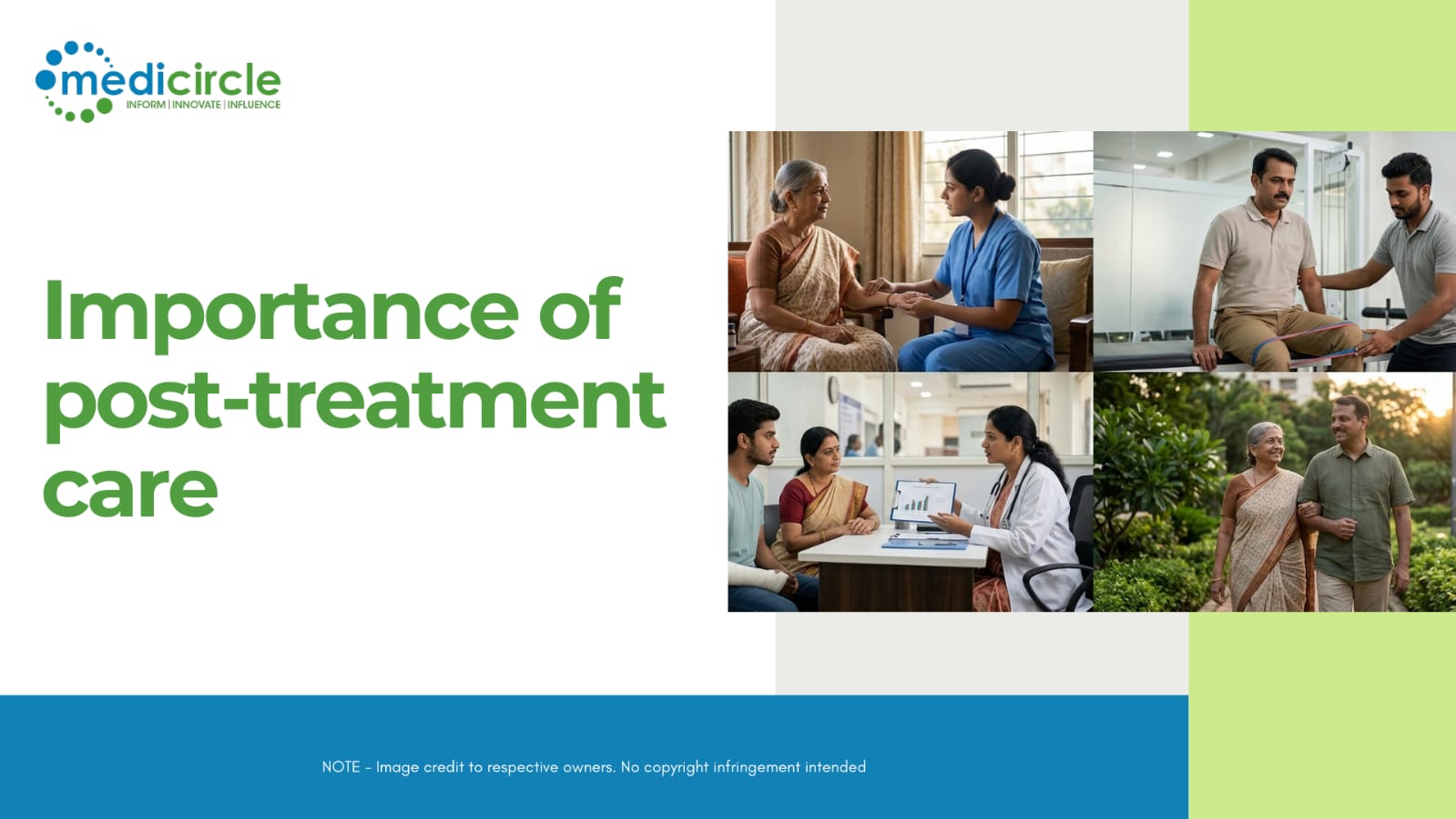
 Hospital discharge is only the beginning of healing. Success depends on clinical monitoring, lifestyle changes, and mental resilience to prevent readmissions and ensure a sustainable, healthy, and vibrant future.




For many families in India, the day a loved one is discharged from the hospital feels like the finish line. There is a collective sigh of relief as the patient finally returns to the comfort of home. However, it is vital to understand that while the hospital manages the immediate medical crisis, the real work of long-term healing begins the moment you step out the door.
In our current healthcare system, we have become incredibly skilled at performing complex surgeries and managing acute illnesses. Yet, a major challenge remains in the form of the revolving door of hospital readmissions. Far too often, patients find themselves back in a hospital bed just weeks after leaving. This usually happens because the transition from professional monitoring to self-care at home is a steep mountain to climb without a proper map.
Bridge to Health:
Think of post-treatment care as the bridge between not being sick and being truly well. When someone undergoes surgery for a heart condition or starts management for chronic diabetes, the medical intervention acts as a necessary reset. But the actual maintenance of that health happens in the kitchen, the living room, and during daily walks.
Neglecting this phase does not just risk a physical setback. It creates an immense emotional and financial strain on the entire family. Emergency readmissions are almost always more expensive and more stressful than the original treatment. By prioritizing a structured recovery plan, we are not just preventing a relapse. We are helping the patient reclaim their independence and quality of life much faster.
Recovery Foundations:
To make aftercare successful, we have to look at it through three specific lenses:
Clinical Monitoring Tasks:
Recovery at home requires a keen eye. It is about more than just setting an alarm for pills. It involves tracking vital signs and, more importantly, knowing how to spot red flags before they become emergencies. Since family members often become the primary caregivers, they need clear, professional guidance on what symptoms are normal and which ones require a call to the doctor.
Practical Lifestyle Changes:
This is often the hardest part, especially in our culture where celebrations and social life revolve heavily around food. Adapting to a new normal regarding diet and physical activity can feel restrictive. The goal is not to isolate the patient, but to find a sustainable balance where the medical requirements fit into their daily life without stripping away the joy of living.
Positive Mindset Power:
The psychological weight of being a patient is heavy. It is completely normal to feel anxious about a potential relapse or frustrated by physical limitations. However, emotional resilience is a biological tool for healing. Encouraging small social interactions, safe hobbies, and a clear daily routine can boost morale. When a patient feels they are making progress, their body often finds the strength to follow suit.
Knowledge is Medicine:
The ultimate objective of healthcare is not just to fix a single problem. It is to return a person to their family, their career, and their passions. This requires a strong partnership between the doctor, the patient, and the family.
Information is the most valuable asset in this journey. When a family understands why a certain dietary rule or exercise is necessary, they are much more likely to stick with it. Today, digital platforms are helping bridge this gap by offering factual, easy to understand guidance that empowers families to take charge.
Proactive Wellness Mindset:
Reaching the end of a hospital stay is a major milestone, but it is not the final destination. True medical success is measured by how well a person lives in the months and years that follow.
By shifting our mindset from reactive, which means acting only when there is pain, to proactive, we can ensure that a trip to the hospital is a one-time event rather than a recurring cycle. Taking the aftercare period seriously is the smartest investment you can make in a healthy, vibrant future.





-23-300x250.png)

.jpeg)

.jpg)
.jpg)
.jpg)
.jpg)
.jpg)
.jpg)
.jpg)
.jpg)
.jpg)