India at a Crossroads: How NCDs Have Become a National Emergency

▴ National Emergency
This is our chance to turn a warning into a wake-up call, before prevention becomes impossible, and treatment becomes too late.

Hello! If you're looking for high-quality genericmedications, fast delivery and excellent customer service, ourstore is the right choice for you. With over 20 years of onlineexperience, we guarantee safe, effective products that are alwaysin stock. Delivery within 48 hours, free shipping from $200, and 100% money-back guarantee if your order doesn't arrive on time.

👉 Order now at BestCheapPills and discover exclusive discounts for registeredcustomers!
India’s future is being quietly reshaped not by earthquakes or floods, but by invisible forces: the silent sweep of chronic diseases. Diabetes, heart disease, cancer are spreading through our cities and villages with stealth, threatening to upend a healthcare system already overstretched. If the recent warning from a panel of Padma-winning doctors is anything to go by, that threat is no longer distant, it is here, and it demands attention.

In a gathering convened by Pacific OneHealth, celebrated names like Padma Shri Dr. D. S. Rana, Dr. Praveen Chandra, Dr. Anoop Misra, and Dr. Mohsin Wali raised red flags about the country’s growing burden of non-communicable diseases. They applauded India’s advances in medical technology, yet they warned that triumphs in equipment and procedures cannot mask the deeper crisis of rising NCDs powered by sedentary lifestyles, poor diets, and gaps in preventive care. This is not medical rhetoric; it is a clarion call from the Padma awardees whose experience spans decades, specialties, and respected institutions.

Dr. Rana, meanwhile, spoke of universal healthcare, how India continues to lag behind in making care accessible and equitable. His plea was for ethical regulation: fair drug pricing, transparent hospital charges, and policies that ensure healthcare humanity, not just commerce.

Heart disease was described not just as an illness, but a common pathway where multiple risk factors converge. Dr. Praveen Chandra stressed the lifesaving importance of interventions like emergency angioplasty within the golden hour, even for patients in their 80s or 90s. When rapid response meets advanced care, lives are saved.

Padma Shri Dr. Anoop Misra said that in Delhi, every third resident has diabetes, and almost a third more is pre-diabetic. It’s a city, and by extension a country, flirting with disaster. He urged that lifestyle change and awareness must lead the charge against diabetes.

Dr. Mohsin Wali spoke of trust-based care, citing the model of non-profit institutions that elevate healthcare beyond transactions and into the realm of responsibility and compassion.

Together, these voices paint a picture that should alarm and motivate every healthcare professional, hospital administrator, and policymaker: India is facing a widespread NCD emergency.

If our public health is to withstand this challenge, we cannot rely on reactive models or fragmented strategies. Instead, we need early screening in primary care, community-based interventions that promote fitness and healthy eating, mass lifestyle counseling, and aggressive public awareness campaigns. We need to shift from a system that treats disease to one that prevents it.

At the level of policy, the government must address disparities in healthcare access. Urban areas may host advanced medical facilities, but rural and peri-urban areas bear the double burden of rising NCDs and weak infrastructure. Universal healthcare, as Dr. Rana indicated, must become real, not aspirational. Equity means that distance or income does not determine one’s ability to manage diabetes or survive a heart attack.

Doctors and hospitals must prepare for this NCD surge by strengthening their outpatient and chronic disease management capacities, investing in training for early detection, and forging partnerships with community health workers. Private clinics, tertiary centres, medical colleges all have a role in creating vertical and horizontal cohesion in tackling this epidemic.

Further, the growing burden of cancer, which wasn’t dwelled on at length during the session but was mentioned as a key concern, must not be ignored. Late-stage diagnosis, high treatment costs, and limited access to chemotherapy and radiotherapy plague many regions beyond metros. Policymakers must invest in expanding specialty centres and affordable screening in smaller towns to thwart the rising cancer trend early.

Lifestyle diseases are as much about social patterns as they are about individual choices. Urbanization, fast food, sedentary jobs and stress are the silent architects of NCD prevalence. We need urban planning that encourages walking, corporate wellness programs, school curricula that instill healthy habits, and regulation of unhealthy food marketing. Public health campaigns should make preventive care aspirational, not compulsory.

These doctors flag an inflection point in India’s healthcare narrative. We must rise above celebrated surgery, fancy diagnostics, and digital health tools, to recommit to basics like early detection, affordable access, ethical pricing, and societal responsibility. Let the indicators of success be fewer amputations from diabetic complications, lower heart attack mortality, earlier cancer detection, and healthier urban and rural communities.

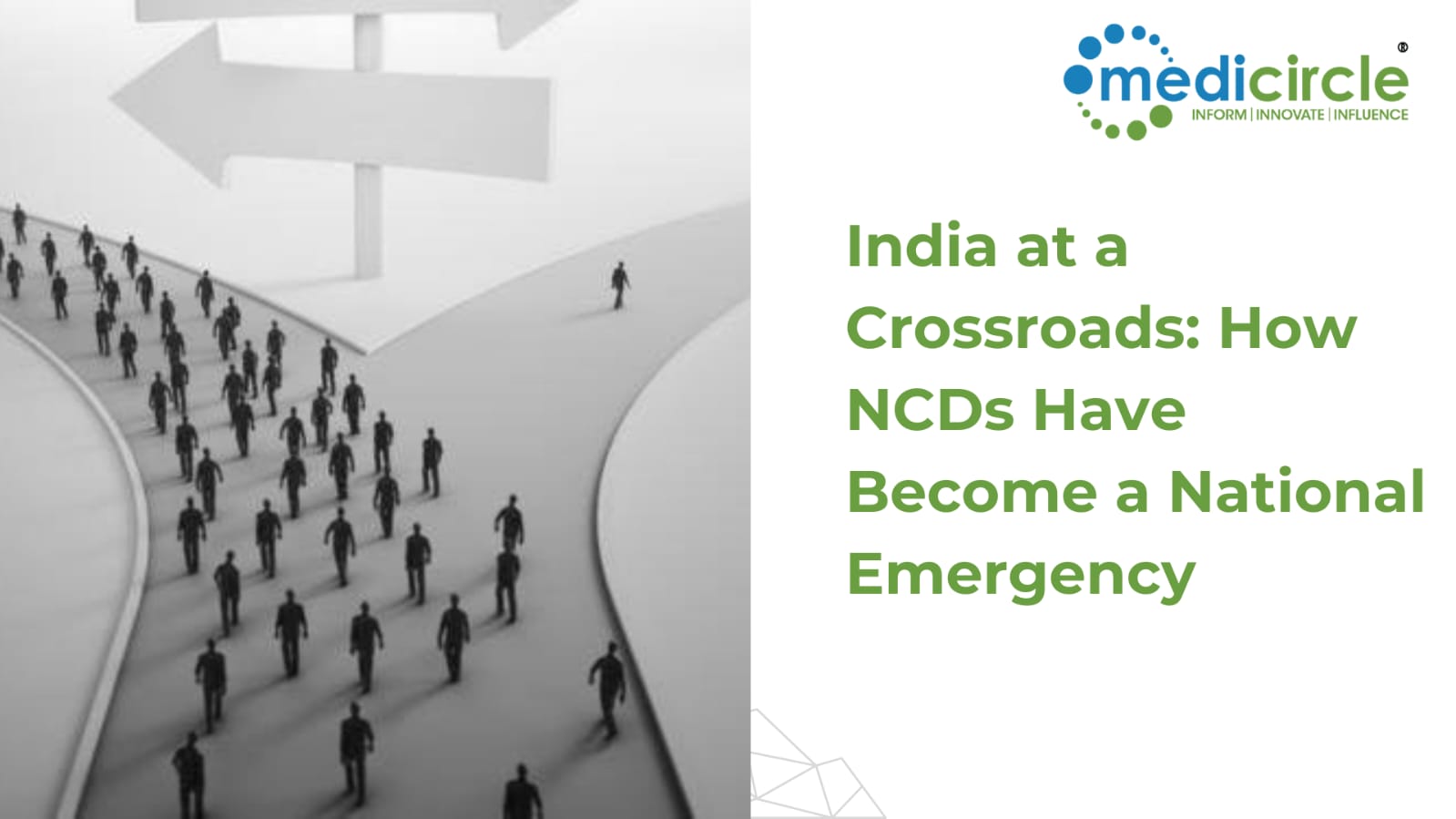
In this moment, we stand at a crossroads. Will we continue upgrading our hospitals while ignoring risk factors? Will we push high-tech solutions while underfunding prevention? Or will we listen to distinguished medicos and build a resilient health system that can handle the NCD tsunami heading our way?

The cost of inaction is high not just in rupees, but in lives, years lost, families broken. But the opportunity is equally vast. As citizens, professionals, and leaders, we can choose health, empathy, and foresight. This is our chance to turn a warning into a wake-up call, before prevention becomes impossible, and treatment becomes too late.


Tags : #SilentHealthCrisis #NCDsInIndia #LifestyleDiseaseEpidemic #HealthCrisis #BeatDiabetes #HealthyHeart #CancerCareForAll #EarlyDetection #AffordableCancerCare #HealthierChoices #HealthcareForAll #EthicsInHealthcare #PatientsOverProfits #FairHealthcare #ReimagineHealthcare #HealthyFuture #smitakumar #medicircle

Related Stories

Loading Please wait...

-Advertisements-


Trending Now

Cholesterol Explained: Good vs Bad Cholesterol and What It Means for Your HeartJuly 11, 2026
Role of Technology in Hospitals: How Indian Healthcare is Being ReshapedJuly 11, 2026
175 years after ancestors left UP, Indo-Trinidadian infant receives rare liver transplant at Apollo DelhiJuly 10, 2026
Fortis Escorts Faridabad Strengthens Advanced Care Ecosystem with Launch of: Fortis Cancer Institute Institute of Neurosciences Centre of Excellence in Critical Care and ECMOJuly 10, 2026
India’s first focused health AI Conclave unites doctors and AI expertsJuly 10, 2026
University of Leeds Opens Applications for MSc Biotechnology with Business Enterprise for Indian StudentsJuly 10, 2026
How Doctors Are Changing the Face of Indian HealthcareJuly 10, 2026
Medical Innovations to Watch in 2026: How Technology Is Reshaping Healthcare in IndiaJuly 10, 2026
Government of India Notifies Polymatech Electronics’ Semiconductor and Electronic Components SEZ at Nava Raipur, ChhattisgarhJuly 09, 2026
Iswarya Fertility Center Raises Over INR 350 Crore from OrbiMed AsiaJuly 09, 2026
Happiest Health Announces Launch of Speciality Clinics Happiest Paediatrics, Happiest Orthopaedics, Happiest Gynaecology, Happiest Endocrinology & Your Personal PhysicianJuly 09, 2026
Cetaphil launches new AM/PM Antioxidant Serum Duo in India July 09, 2026
THIP Partners with ISSRF to Launch Digital Patient Education Programme for EndometriosisJuly 09, 2026
Blood Tests Everyone Should Understand: A Complete Guide for Indian AdultsJuly 09, 2026
CT Scan vs MRI: Understanding the Difference and Choosing the Right Diagnostic Imaging TestJuly 09, 2026
Robotic Surgery in Modern Urology and Gynecology: Precision, Recovery, and SafetyJuly 08, 2026
Apollo Hospitals Gives Filipino Twin Brothers a New Lease of Life Through Rare Twin Liver TransplantsJuly 08, 2026
Fibroheal Raises ₹14 Crore to Fuel Next Phase of Growth and Entry in Developed MarketsJuly 08, 2026
Veda Rehabilitation & Wellness Opens Himalayan Mental Health Recovery Retreat in Sikkim for Addiction Recovery and Mental WellbeingJuly 08, 2026