 Thursday, October 08, 2026
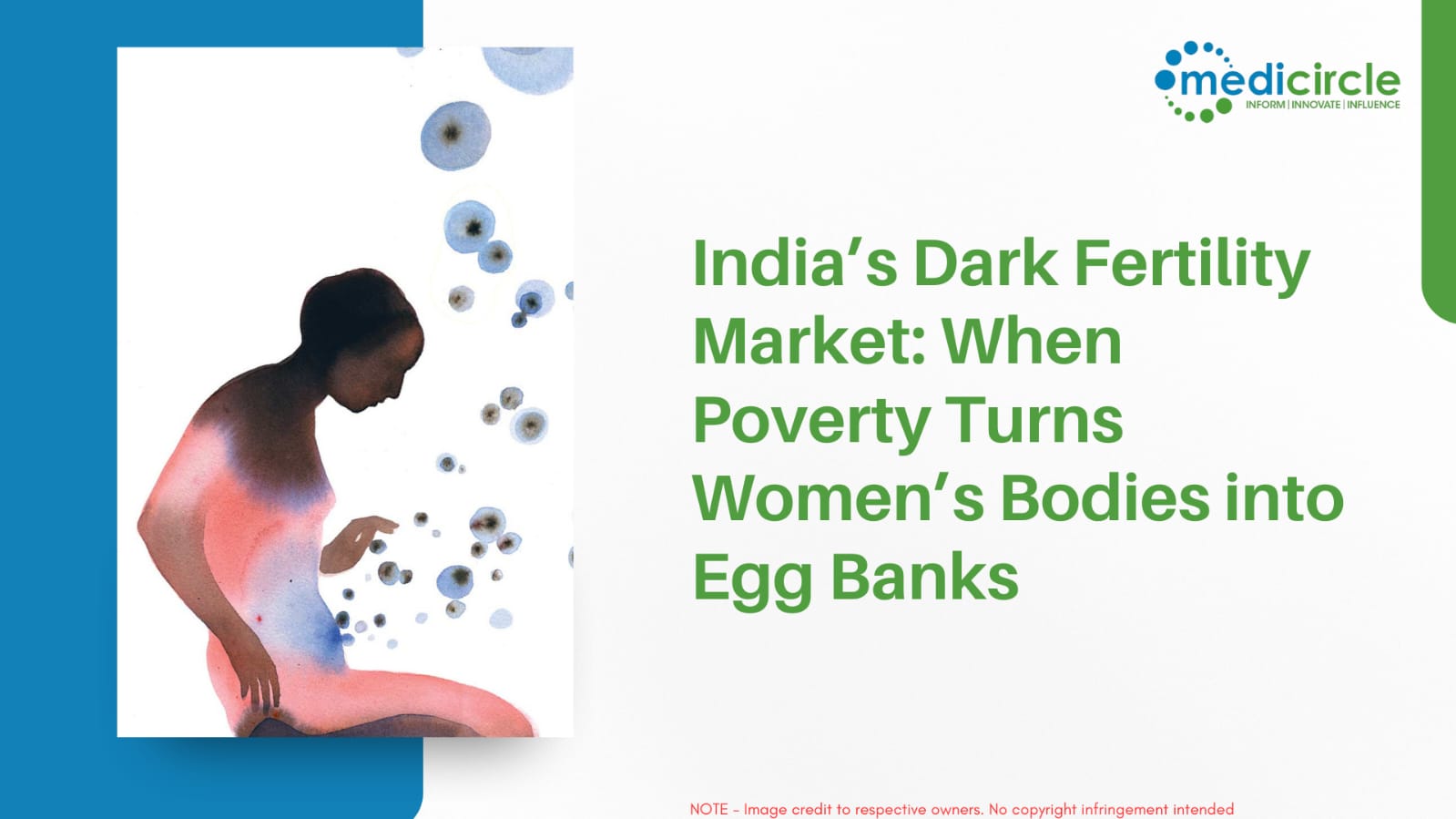
 Fertility science has the remarkable ability to create life and fulfil the hopes of families. But the true measure of its success lies in whether it protects the dignity and wellbeing of everyone involved.




In the world of modern medicine, assisted reproductive technologies have opened doors that once seemed impossible. Couples who struggle with infertility now have hope through advanced treatments, medical innovation and fertility science. Clinics promise the miracle of life, and for many families these treatments have indeed fulfilled dreams that once felt out of reach. But behind this hopeful narrative, disturbing questions occasionally emerge about how far the fertility industry is willing to go in its pursuit of success and profit. A recent development from Maharashtra has brought these concerns into sharp focus, exposing the darker side of reproductive medicine and the vulnerability of women caught in its shadows.
The issue came into the spotlight after the National Commission for Women took suo motu notice of a media report that suggested the existence of an illegal network involved in extracting and selling human eggs from financially vulnerable women in the Badlapur area of Maharashtra. What appeared at first glance to be a local scandal has quickly evolved into a matter of national concern, raising serious questions about medical ethics, women’s health, regulatory oversight and the growing commercialisation of fertility treatments.
The report described an alleged organised system in which economically struggling women were approached and encouraged to undergo egg extraction procedures in exchange for money. The possibility that women may have been persuaded, pressured or manipulated into repeated medical procedures has alarmed public health experts and women’s rights advocates alike. Such actions strike at the core of medical ethics and human dignity, especially when those affected belong to the most vulnerable sections of society.
India has witnessed a rapid expansion of fertility services during the past two decades. With the rising prevalence of infertility, urban lifestyle changes and delayed parenthood, assisted reproductive technologies such as in vitro fertilisation have become increasingly common. Fertility clinics have emerged in cities and towns across the country, offering sophisticated treatments that rely heavily on egg donation and other advanced reproductive techniques.
Egg donation, when conducted ethically and within strict medical guidelines, can be a legitimate and compassionate practice. Women who donate eggs often help couples achieve parenthood when other options have failed. However, the process involves medical interventions that carry health risks and therefore must be carefully regulated. Hormonal stimulation, egg retrieval procedures and post-treatment recovery require close medical supervision. When performed responsibly, these procedures follow strict safety protocols designed to protect donors.
India’s legal framework clearly recognises the need for such safeguards. The Assisted Reproductive Technology (Regulation) Act, 2021 was introduced to bring transparency, accountability and ethical standards to the fertility industry. The law sets clear limits on egg donation and prohibits any form of commercial exploitation. It permits a woman to donate eggs only once in her lifetime and strictly bans financial incentives or commercial trading of human reproductive material.
These rules were created to ensure that egg donation remains a voluntary, altruistic act rather than a commercial transaction driven by economic desperation. Medical experts have repeatedly warned that repeated egg extraction procedures can have significant health consequences, including hormonal complications, ovarian damage and long-term reproductive issues. The legislation therefore attempts to balance the needs of infertile couples with the safety and dignity of women who choose to donate.
The allegations emerging from Badlapur suggest that these safeguards may have been deliberately bypassed. Preliminary findings indicate that dozens of women may have been drawn into the alleged racket. One particularly troubling account described a woman who was reportedly subjected to egg retrieval procedures dozens of times, far beyond what medical guidelines allow. If proven true, such practices would represent a shocking violation of both medical ethics and national law.
Beyond the legal implications, the situation raises deeper concerns about the intersection of poverty and healthcare exploitation. In many parts of India, economic hardship continues to shape life decisions in profound ways. When survival becomes the priority, individuals may feel compelled to accept risks that they would otherwise avoid. Unscrupulous intermediaries and unethical medical networks often exploit this vulnerability.
Women from economically weaker backgrounds are especially at risk. Limited access to education, healthcare information and legal awareness can make them easy targets for manipulation. In the context of fertility services, this vulnerability can be transformed into a supply chain of human reproductive material, where the bodies of poor women become instruments in a lucrative medical market.
Health experts emphasise that egg extraction is not a simple or risk-free procedure. The process usually involves hormonal stimulation to produce multiple eggs, followed by a surgical retrieval procedure performed under medical supervision. While generally safe when conducted properly, the process places physical stress on the body. Repeating such procedures multiple times without adequate recovery can lead to serious complications.
Ovarian hyperstimulation syndrome is one potential risk associated with aggressive hormonal stimulation. The condition can cause abdominal pain, swelling and fluid accumulation, and in severe cases it may lead to life-threatening complications. Repeated medical interventions may also have psychological effects, particularly when women undergo procedures under pressure or without full understanding of the consequences.
These concerns explain why strict regulation is essential in the fertility sector. Medical technology has the power to create life, but it must operate within ethical boundaries that protect those who make these treatments possible. Without strong oversight, the fertility industry can become vulnerable to unethical practices driven by financial incentives.
The response from authorities has been swift. The National Commission for Women has strongly condemned the alleged activities, describing them as a form of organised exploitation. The Commission has directed law enforcement agencies to conduct a comprehensive investigation into the matter and identify all individuals and institutions that may have been involved. The investigation is expected to examine the roles of clinics, medical professionals, middlemen and any other actors who may have facilitated the illegal procedures.
Ensuring justice for the affected women remains a central concern. Authorities have been asked to provide medical assistance, counselling and protection to those who may have been subjected to repeated egg extraction procedures. For many victims, the trauma extends beyond physical health. Feelings of exploitation, loss of dignity and fear of social stigma can have lasting psychological effects.
The case has also reignited debate about regulatory enforcement in India’s fertility industry. While laws exist on paper, effective implementation remains a challenge. Monitoring thousands of clinics across the country requires strong institutional coordination and regular inspections. Without consistent oversight, gaps in the system can be exploited by unethical operators.
Healthcare professionals across India have expressed concern that such incidents could damage public trust in assisted reproductive technologies. Fertility treatments have helped countless families experience the joy of parenthood. However, scandals involving illegal practices risk overshadowing these achievements and creating fear among potential donors and patients alike.
Experts therefore emphasise the need for transparent and ethical medical practices. Clinics must follow established guidelines, maintain accurate donor records and ensure that every procedure complies with national regulations. Ethical review boards and regulatory authorities must remain vigilant in identifying irregularities before they escalate into large-scale exploitation.
Public awareness is another critical factor. Many women may not fully understand the medical procedures involved in egg donation or the legal protections available to them. Community education programmes can help ensure that individuals make informed decisions and recognise potential warning signs of exploitation.
Civil society organisations and women’s rights groups also play an important role in protecting vulnerable populations. By monitoring developments, supporting victims and advocating for stronger enforcement of existing laws, these organisations contribute to a more accountable healthcare system.
The Badlapur case has also prompted reflection on the broader relationship between medicine and commerce. Modern healthcare operates within a complex environment where innovation, entrepreneurship and patient demand intersect. While medical progress depends on investment and enterprise, ethical principles must remain the foundation of healthcare practice.
Fertility medicine is particularly sensitive because it deals with human reproduction, personal dreams and intimate aspects of life. When financial incentives overshadow ethical responsibility, the consequences can be deeply troubling.
India stands at an important crossroads in the development of its reproductive healthcare system. The country possesses world-class medical expertise and advanced fertility technologies. Many international patients travel to India seeking fertility treatments because of its skilled specialists and relatively affordable costs.
However, sustaining this reputation requires strong ethical governance. Ensuring that every clinic follows the law and respects the rights of donors and patients is essential for maintaining credibility in the global healthcare landscape.
The current investigation will likely reveal important lessons about regulatory gaps, medical accountability and the protection of vulnerable populations. It may also encourage policymakers to strengthen monitoring mechanisms and impose stricter penalties for violations of reproductive health laws.
Ultimately, the issue extends beyond one town or one alleged network. It reflects a larger challenge faced by many healthcare systems around the world: how to harness the power of medical technology without allowing profit to overshadow human dignity.
For the women who may have been affected, the story is deeply personal. Behind the headlines are individuals who trusted medical professionals and believed they were participating in a legitimate process. If their trust was misused, the responsibility lies not just with individuals but with the systems that allowed such practices to flourish.
Healthcare must always operate on the principle that every patient and every donor deserves respect, safety and informed choice. When these principles are compromised, the consequences extend far beyond the walls of clinics and laboratories.
The unfolding developments in Maharashtra serve as a powerful reminder that progress in medicine must be guided by compassion, ethics and accountability. Fertility science has the remarkable ability to create life and fulfil the hopes of families. But the true measure of its success lies in whether it protects the dignity and wellbeing of everyone involved.
As investigations continue, the nation watches closely. The outcome will determine whether India’s regulatory institutions can effectively safeguard women’s health and uphold the ethical foundations of reproductive medicine. In the delicate balance between hope, science and human rights, the choices made today will shape the future of fertility care in the country.






.jpeg)








.jpg)
.jpg)
.jpg)
.jpg)
.jpg)
.jpg)


.jpg)
.jpg)
.jpg)