 Tuesday, October 27, 2026
 Doctors must routinely ask about supplement use and treat it as clinically relevant information. Regulators must tighten oversight, ensure quality control, and crack down on misleading claims.




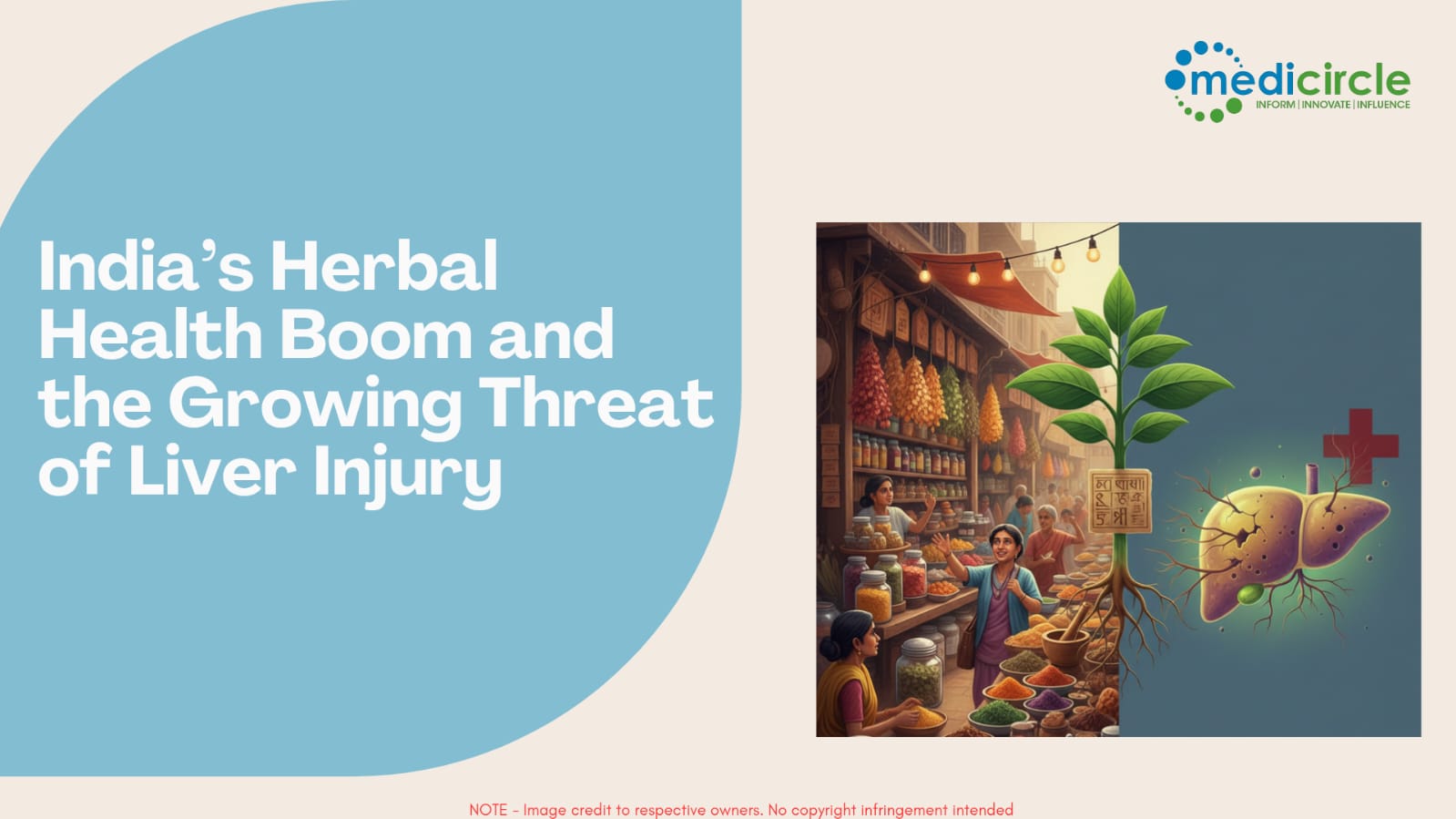
In India, the word “natural” still carries a powerful emotional pull. It suggests safety, tradition, gentleness, and wisdom passed down through generations. For many patients, herbal products and dietary supplements feel like a safer escape from the perceived harshness of modern medicine. Yet behind this comforting image, a troubling medical reality is beginning to surface that challenges long-held beliefs and raises uncomfortable questions about trust, regulation, and responsibility in healthcare.
A new scientific paper accepted for publication in Clinical Gastroenterology and Hepatology, the official journal of the American Gastroenterological Association, brings this issue sharply into focus. Drawing on global data and real-world clinical outcomes, including insights relevant to India, the paper warns that so-called “natural products” may cause liver injury that is more severe and sometimes more deadly than injury linked to licensed pharmaceutical drugs.
This is not a fringe claim or an ideological attack on traditional systems of medicine. It is a data-driven warning emerging from hospitals, transplant units, and intensive care wards, where doctors are seeing a growing number of patients with sudden, unexplained liver failure. In many such cases, the common thread is the use of herbal remedies or dietary supplements consumed with full faith and little caution.
One of the paper’s co-authors, clinician-scientist Dr Cyriac Abby Philips, widely known as LiverDoc, has been vocal about this issue for years. His position is blunt yet rooted in clinical reality. Modern medicines, he argues, earn their place through structured trials, defined dosing, known risks, and constant monitoring. Their benefits and dangers are studied, debated, and documented before they reach patients. Herbal products, in contrast, are often consumed on belief rather than evidence, without clear guidance on dose, duration, interactions, or long-term effects.
This distinction matters because the liver is not a forgiving organ. It processes almost everything we ingest such as food, alcohol, medicines, supplements, and toxins. When overwhelmed or poisoned, the damage can unfold rapidly. Acute liver failure is one of the most dramatic emergencies in medicine, marked by jaundice, bleeding disorders, confusion, coma, and often death unless a transplant is performed in time.
The new paper responds to a large American study published last year that tracked more than 300 adult cases of acute liver failure over two decades. The findings were sobering. While antibiotics and psychiatric drugs were common triggers, herbal and dietary supplements accounted for a significant share of cases. More importantly, patients whose liver failure was linked to supplements were found to have a higher risk of death compared to those injured by conventional medicines.
This challenges a deeply ingrained assumption, that “natural” automatically means “safer.” In reality, the liver does not recognise philosophy or tradition. It reacts to chemical structures, metabolic stress, and toxic exposure. Whether a substance comes from a laboratory or a leaf matters far less than how it behaves once inside the body.
India offers a particularly important context for this debate. The country has a booming herbal and supplement market, estimated to be worth over a billion dollars and growing steadily each year. Shelves are crowded with powders, capsules, syrups, and tonics promising detoxification, immunity, weight loss, blood sugar control, and liver protection itself. Many are sold over the counter, aggressively marketed, and consumed without medical advice.
For patients, the appeal is understandable. Herbal products are often cheaper, culturally familiar, and framed as holistic solutions rather than disease-specific treatments. They are also widely perceived as free from side effects. Yet hospitals are increasingly seeing the hidden cost of this perception which is young patients with no history of alcohol use or chronic disease arriving with catastrophic liver injury.
What makes herbal-related liver injury particularly dangerous is its unpredictability. Unlike licensed drugs, which carry warnings and established toxicity profiles, many supplements lack standardisation. The same product name may contain different ingredients across batches. Some may be contaminated with heavy metals like lead, mercury, or arsenic. Others may include pesticides, undeclared pharmaceuticals, or incorrect plant species. Even genuinely medicinal herbs can become harmful when concentrated, combined, or taken for prolonged periods.
Critics of the paper from the Ayurvedic and integrative medicine space caution against oversimplification. They rightly point out that severe liver injury is well documented with modern medicines too. Paracetamol overdose, anti-tuberculosis drugs, and certain antibiotics are notorious for liver toxicity. From this perspective, the issue is not whether a substance is herbal or synthetic, but how it is used, regulated, and monitored.
Many life-saving drugs have indeed originated from plants and natural compounds. Ayurveda, Siddha, and other traditional systems have a long history and a valuable knowledge base. The danger lies not in tradition itself, but in the modern commercialisation of “natural” as a risk-free shortcut to health.
What the new paper ultimately exposes is a regulatory and cultural blind spot. In modern medicine, adverse drug reactions are tracked, reported, and studied. In contrast, liver injury linked to herbal products often goes unreported, misdiagnosed, or dismissed. Patients may hesitate to disclose supplement use, believing it irrelevant or harmless. Doctors may not ask detailed questions about non-prescription products. The result is delayed diagnosis and worse outcomes.
Liver disease already places a heavy burden on India’s healthcare system. Transplants are expensive, scarce, and emotionally devastating for families. Preventable liver injury adds an unnecessary layer of tragedy.
The conversation, therefore, needs to move beyond binaries. This is not a battle between modern medicine and traditional systems. It is a call for evidence, transparency, and accountability across all forms of healthcare. Herbal and dietary supplements should be studied with the same scientific rigour applied to pharmaceuticals. Dosing guidelines, toxicity thresholds, interaction warnings, and post-marketing surveillance are not luxuries; they are safeguards.
Patients, too, need empowerment rather than fear. They should feel safe asking whether a product is necessary, what evidence supports it, and what risks it carries. Doctors must routinely ask about supplement use and treat it as clinically relevant information. Regulators must tighten oversight, ensure quality control, and crack down on misleading claims.
The liver crisis linked to herbal products is not yet fully visible, but it is quietly unfolding in emergency rooms and transplant centres. The irony is painful: remedies consumed to feel healthier are sometimes the very trigger for life-threatening illness. As science continues to shed light on this issue, clinging to comforting myths becomes increasingly dangerous.
True respect for traditional medicine does not mean blind faith. It means subjecting it to the same standards of safety and evidence that patients deserve everywhere. Until that happens, the label “natural” will remain a promise that medicine can no longer afford to take at face value.




-23-300x250.png)

.jpeg)







.jpg)
.jpg)
.jpg)
.jpg)
.jpg)
.jpg)
.jpg)
.jpg)
.jpg)

