Tuesday, October 06, 2026
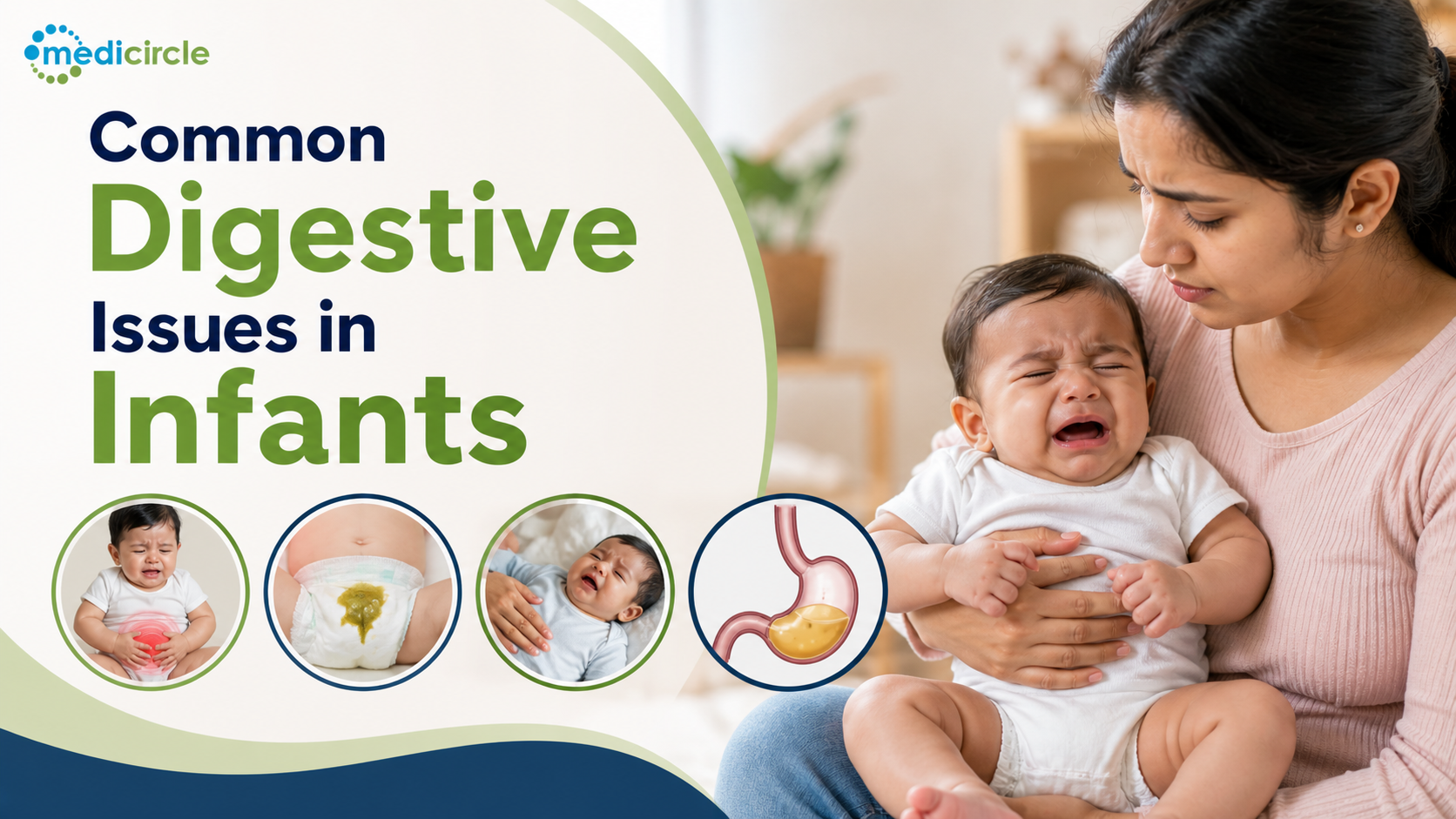
 Understanding newborn digestive issues and early signs of infant GI issues helps parents identify patterns and support healthy digestion. Simple observation and consistent care improve outcomes for common gastrointestinal problems in infants.




Digestive discomfort in babies is often subtle, yet it can affect feeding, sleep, and overall development. Many parents notice symptoms but do not always connect them to newborn digestive issues or infant GI issues. What seems like normal fussiness may actually be a sign of underlying digestive imbalance. Understanding how these issues appear, why they happen, and how they evolve helps parents respond with awareness rather than confusion.
Why Infant Digestion Works Differently from Adults
An infant’s digestive system is still developing, which makes it more sensitive to changes in feeding patterns, environment, and even emotional comfort. Unlike adults, babies rely on a gradually maturing gut to process milk and nutrients. This is why even small changes can trigger a digestion problem for newborn.
The digestive process in infants is not just about breaking down food. It also involves building a healthy gut microbiome, which plays a role in immunity and overall growth. When this system is immature, it can lead to digestive issues in newborns such as gas, reflux, or irregular bowel movements.
For example, a newborn who feeds too quickly may swallow air, leading to discomfort. Similarly, a baby adjusting to formula feeding may experience temporary gastrointestinal problems in infants as the body learns to process new nutrients. These situations highlight that infant digestion is not static but constantly adapting.
Common Infant GI Issues and What They Look Like in Real Life
Many GI problems in infants appear as everyday behaviors, which is why they are often overlooked. Parents may assume fussiness or irregular feeding is normal, but patterns often reveal deeper concerns.
Subtle Signs That Often Go Unnoticed- Frequent crying after feeding that seems unrelated to hunger
Babies with infant GI issues may cry due to discomfort rather than hunger. This can happen when gas builds up or digestion slows down. The crying often occurs shortly after feeding and may stop once the baby releases gas or settles. - Arching of the back during or after feeding sessions
This behavior is sometimes linked to mild reflux or irritation in the digestive tract. It is a common indicator of gastrointestinal problems in infants, especially when paired with restlessness. - Irregular bowel patterns or sudden changes in stool consistency
A baby experiencing a digestion problem in infants may show changes in stool frequency or texture. While variations are normal, consistent irregularity may signal digestive imbalance. - Difficulty settling into sleep despite being fed and comfortable
Digestive discomfort can interfere with sleep. Babies with gastric issues in infants often struggle to relax, leading to shorter sleep cycles.
These signs are not always alarming individually, but patterns over time often indicate underlying digestive stress.
Understanding the Root Causes Behind Digestive Problems in Infants
To understand digestive issues in newborns, it is important to look beyond symptoms and focus on causes. Most infant digestive concerns are linked to developmental factors rather than illness.
One of the primary causes is the immaturity of digestive enzymes. Babies are still developing the ability to break down nutrients efficiently. This can lead to gastric issues in infants, especially when feeding patterns change.
Feeding methods also play a role. Breastfed and formula-fed babies may experience different types of GI problems in infants. For instance, formula-fed infants may take longer to adjust to certain ingredients, while breastfed babies may react to maternal diet changes.
Another factor is air intake during feeding. When babies swallow air, it can lead to gas buildup, resulting in discomfort and crying. This is a common but often overlooked cause of newborn digestive issues.
Environmental factors also contribute. Changes in routine, temperature, or even overstimulation can affect digestion. These influences highlight how closely digestion is connected to overall infant well-being.
How Feeding Patterns Influence Infant GI Health
Feeding is not just about nutrition. It directly affects how the digestive system functions. The timing, quantity, and pace of feeding all influence infant GI issues.
A baby who feeds too quickly may experience discomfort because the digestive system cannot keep up. Similarly, overfeeding can lead to pressure in the stomach, causing reflux or gas. On the other hand, long gaps between feeds may result in irritability and irregular digestion.
In real-life scenarios, parents often notice that babies become fussy during certain times of the day. This is not always random. It may reflect how the digestive system responds to feeding patterns.
For example, evening discomfort is common because the digestive system may become more sensitive after multiple feeds throughout the day. Understanding these patterns helps in managing digestion problem for newborn more effectively.
Variations Across Infants: Why Every Baby Reacts Differently
No two babies experience digestion in the same way. Some may handle feeding changes smoothly, while others show signs of gastrointestinal problems in infants more quickly.
This variation is influenced by factors such as birth conditions, feeding type, and early exposure to different environments. Babies born prematurely, for instance, may have a more sensitive digestive system.
Genetics also play a role. Some infants naturally have a slower digestive response, making them more prone to digestive issues in newborns. Others may adapt quickly but still show occasional discomfort.
These differences explain why a method that works for one baby may not work for another. Understanding this variability helps parents avoid unnecessary worry and focus on observing patterns specific to their child.
Practical Ways to Support Infant Digestion Naturally
While infant GI issues are common, there are simple ways to support digestion without overcomplicating the process.
Daily Practices That Make a Difference- Maintaining a calm and consistent feeding environment
A relaxed setting helps babies feed at a steady pace, reducing the chances of swallowing air. This simple adjustment can significantly reduce gastric issues in infants over time. - Allowing time for proper burping after feeds
Burping helps release trapped air, which is a common cause of discomfort. This practice supports smoother digestion and reduces symptoms linked to newborn digestive issues. - Observing feeding cues rather than fixed schedules
Responding to a baby’s natural hunger signals helps avoid overfeeding or underfeeding. This approach supports better digestion and reduces digestion problem in infants. - Creating a balanced routine that supports rest and digestion
Adequate rest allows the digestive system to function more efficiently. Babies who are well-rested often experience fewer GI problems in infants.
These practices are not complex but require consistency and observation.
Challenges Parents Face While Identifying Digestive Issues
One of the biggest challenges is distinguishing between normal behavior and signs of discomfort. Babies communicate through crying, which can have multiple causes. This makes it difficult to identify digestive issues in newborns accurately.
Another challenge is conflicting advice. Parents often receive different suggestions, which can create confusion. Without clear understanding, it becomes harder to address infant GI issues effectively.
There is also a tendency to overlook mild symptoms, assuming they will resolve on their own. While many issues do improve with time, recognizing patterns early helps in managing discomfort more effectively.
How Digestive Issues Affect Overall Infant Well-Being
Digestive health is closely linked to overall development. Babies experiencing gastrointestinal problems in infants may show changes in feeding behavior, sleep patterns, and mood.
For instance, a baby who is uncomfortable may feed less efficiently, which can affect nutrient intake. Similarly, disrupted sleep can impact growth and development.
Understanding this connection highlights why addressing newborn digestive issues is not just about comfort but also about supporting healthy development.
Conclusion
Digestive discomfort in infants is common, but it is not always obvious. Recognizing early signs of newborn digestive issues and understanding the behavior of infant GI issues helps parents respond with clarity and confidence. By observing patterns, understanding causes, and supporting natural digestion, it becomes easier to manage these challenges without unnecessary stress.
Frequently Asked Questions (FAQs)
1. How can I tell if my baby has digestive issues or is just fussy?It can be difficult to differentiate normal fussiness from newborn digestive issues, but patterns help. If crying happens consistently after feeding, along with signs like gas, discomfort, or irregular stools, it may indicate gastrointestinal problems in infants. Observing timing, frequency, and triggers helps parents understand whether it is temporary behavior or linked to digestion.
2. Why does my baby pass gas so frequently during the day?Frequent gas is common due to an immature digestive system, but excessive gas may point to gastric issues in infants. Babies often swallow air while feeding, which leads to discomfort. This is one of the most common forms of infant GI issues, especially during early feeding stages.
3. Can feeding position affect digestion in newborns?Yes, feeding position plays a major role in reducing digestion problem for newborn. A slightly upright position helps prevent air intake and supports smoother digestion. Poor positioning may increase the chances of GI problems in infants, especially those related to gas and reflux.
4. Why does my baby seem uncomfortable after every feed?If discomfort appears after most feeds, it may indicate a recurring digestion problem in infants. This could be linked to feeding pace, air intake, or sensitivity to feeding methods. Such patterns are often associated with digestive issues in newborns, especially in the early weeks.
5. Is it normal for newborns to have irregular bowel movements?Yes, irregular bowel movements are common, but consistent changes may signal gastrointestinal problems in infants. A sudden shift in stool frequency or texture may reflect a newborn digestive issue that requires observation rather than immediate concern.
6. Why does my baby cry more in the evening due to digestion?Evening discomfort is often linked to accumulated infant GI issues throughout the day. Repeated feeding and digestion cycles may make the digestive system more sensitive, leading to signs of gastric issues in infants during later hours.
7. Can changes in feeding routine cause digestive problems in infants?Yes, even small changes in feeding patterns can affect digestion. A sudden shift in timing or quantity can lead to digestive issues in newborns. Consistency helps reduce GI problems in infants and supports smoother digestion.
8. How does air swallowing affect infant digestion?Air swallowing during feeding is a major cause of newborn digestive issues. It leads to gas buildup, which creates discomfort and restlessness. This is one of the most common contributors to infant GI issues, especially in the early months.
9. Why does my baby arch their back during feeding?Back arching can be a response to discomfort in the digestive tract. It is often linked to gastrointestinal problems in infants, such as mild reflux or gas pressure. This behavior is commonly seen in babies experiencing digestion problem in infants.
10. Can digestive issues affect my baby’s sleep patterns?Yes, discomfort from gastric issues in infants can disrupt sleep. Babies may wake frequently or struggle to settle due to internal discomfort. Addressing newborn digestive issues often improves sleep quality over time.






.jpeg)
.jpg)
.jpg)
.jpg)
.jpg)
.jpg)
.jpg)


.jpg)
.jpg)
.jpg)
.jpg)
.jpg)
.jpg)