 Thursday, October 08, 2026
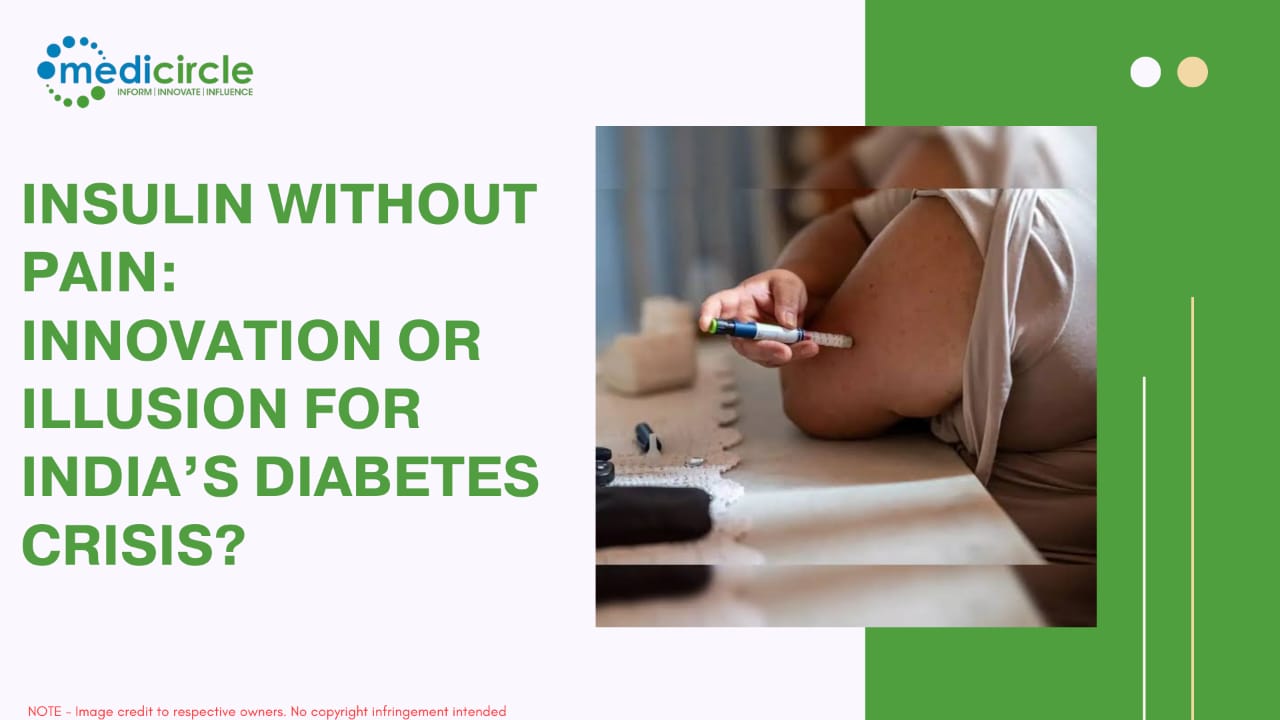
 A small inhaler may seem like a modest innovation, yet its implications reachs outward, touching behavior, psychology, and public health.




India’s relationship with diabetes has always been complicated. It is a disease that creeps in silently, stays for life, and demands discipline every single day. For decades, insulin has remained one of the most powerful tools to control blood sugar, yet it is also the most feared. The sight of a needle, the pain of injections, the social discomfort of dosing in public, and the emotional weight of “advanced disease” have kept many patients away from timely insulin use. Against this backdrop, the recent move by Cipla to introduce inhaled insulin into the Indian market marks a moment that deserves deeper reflection, far beyond a standard product launch.
India is already home to more than ten crore people living with diabetes, a number that continues to climb every year. Urban lifestyles, rising obesity, stress, and genetic susceptibility have combined to create what many doctors now call a slow-moving public health emergency. Despite this massive burden, insulin use remains low. A large proportion of patients who clinically require insulin either delay starting it or avoid it altogether. Many discontinue therapy midway. Fear, inconvenience, and stigma often win over medical advice. This is where the arrival of a rapid-acting, needle-free insulin begins to challenge long-held assumptions in diabetes care.
The therapy launched by Cipla is manufactured by MannKind Corporation, a US-based biopharmaceutical company that has spent years refining inhalation-based insulin delivery. Globally, the product has been positioned as a mealtime insulin for adults with type 1 and type 2 diabetes who struggle with post-meal blood sugar spikes. In India, where dietary patterns often involve high carbohydrate loads and irregular meal timings, controlling postprandial glucose has always been a difficult task. Traditional injectable insulin works, but it demands planning, privacy, and precision. Many patients simply do not fit into that ideal routine.
What makes this therapy different is its method of delivery. Instead of piercing the skin, insulin is inhaled through a small handheld device using single-dose cartridges. Once inhaled, the insulin particles travel through the lungs and enter the bloodstream rapidly. The action is quick, mimicking the body’s natural insulin response more closely than many injected formulations. For patients, this means less waiting time, less anxiety, and potentially better blood sugar control around meals.
India’s regulatory approval for this therapy came after careful scrutiny by the Central Drugs Standard Control Organisation, which cleared the product late last year. This approval was not merely procedural. It reflected growing confidence in advances in inhalation technology and safety monitoring, especially after earlier inhaled insulin attempts had failed to gain traction worldwide.
The shadow of past failures has always hovered over the idea of inhaled insulin. Many clinicians still remember Exubera, introduced globally by Pfizer in the mid-2000s. That product arrived with great expectations but quickly disappeared. Its inhaler was bulky, dosing was confusing, costs were high, and insurers were hesitant. Questions around lung safety further eroded confidence. Within a year, Exubera was withdrawn, and inhaled insulin was written off as an interesting but impractical idea.
What has changed since then is technology, design, and understanding of patient behavior. The newer inhaler is discreet and portable. The insulin formulation is engineered for faster absorption and quicker clearance from the body. This reduces the risk of delayed low blood sugar episodes, a common concern with injected rapid-acting insulin. For working professionals, elderly patients, and those managing diabetes in social settings, these changes matter more than clinical trial graphs.
Market data underline the size of the opportunity. According to estimates from IQVIA, India has just over 50 lakh insulin users, a fraction of those who medically qualify for insulin therapy. Doctors across the country routinely see patients with poorly controlled diabetes who resist insulin until complications force their hand. Eye damage, kidney disease, nerve pain, and heart problems often become the tragic tipping point. A therapy that removes the psychological barrier of needles could alter this trajectory.
Cipla has been clear that this launch is not just about adding another product to its diabetes portfolio. The company has signaled a broader commitment to patient education and awareness. According to Achin Gupta, Achin Gupta, Cipla plans to invest in nationwide initiatives that address fears around insulin use, treatment complexity, and social stigma. These fears are deeply rooted. In many Indian households, insulin is still seen as a sign of failure, a last resort, or a marker of severe illness. Changing this mindset requires storytelling, trust, and sustained engagement, not just prescriptions.
From a clinical perspective, endocrinologists see cautious promise. Rapid-acting inhaled insulin may be particularly useful for patients who experience sharp post-meal glucose spikes despite oral medication. It may also benefit those who miss injections due to work schedules or social constraints. However, experts are equally clear that this therapy is not for everyone. Lung health needs to be assessed before initiation, and patients with chronic respiratory conditions may not be suitable candidates. Regular follow-up remains essential.
Beyond individual patients, the launch reflects India’s growing role as a market for advanced therapies. Once considered a destination mainly for generics, the country is increasingly being included in global innovation cycles. Regulatory systems are maturing, clinical expertise is deepening, and patient expectations are evolving. For multinational collaborations like the one between Cipla and MannKind, India is no longer an afterthought.
The science behind this therapy is equally compelling. The insulin particles are built on a carrier technology that dissolves rapidly once inside the lungs. This allows insulin to act within minutes, closely matching the glucose surge that follows a meal. Traditional injected insulin, even rapid-acting types, often lag behind digestion. This mismatch can lead to post-meal spikes followed by late drops in blood sugar. Faster onset and shorter duration could help smooth these fluctuations, though real-world data from Indian patients will be crucial.
Public health experts point out that innovations alone cannot fix India’s diabetes crisis. Lifestyle interventions, early diagnosis, and preventive care remain the foundation. Yet treatment tools matter. When therapies align better with human behavior, adherence improves. When adherence improves, complications decline. Over time, this can reduce the long-term economic burden on families and the healthcare system.
The emotional weight of diabetes is often underestimated. Many patients feel judged, blamed, or isolated. Insulin, in particular, carries symbolic baggage. It marks a transition from pills to injections, from “mild” to “serious.” A needle-free option subtly changes that narrative. It reframes insulin as a manageable step rather than a feared milestone.
For doctors, the availability of inhaled insulin adds another layer to personalized care. Diabetes is not a uniform disease. Two patients with identical blood sugar readings may have very different lives, fears, and capabilities. Having more options allows clinicians to tailor treatment in ways that respect these differences.
As this therapy enters clinics and conversations across India, its success will depend on trust. Patients will need reassurance about safety, effectiveness, and long-term outcomes. Doctors will need clear guidelines and real-world evidence. Policymakers will need to watch for misuse while supporting responsible adoption. Media, too, has a role in ensuring balanced reporting that informs without exaggeration.
India stands at a crossroads in diabetes care. The numbers are daunting, but the possibilities are expanding. A small inhaler may seem like a modest innovation, yet its implications reachs outward, touching behavior, psychology, and public health. If it succeeds, it could encourage more patients to start insulin earlier, stay on treatment longer, and live with fewer complications.
In the end, the real significance of this launch lies in what it represents. It signals a shift from asking patients to adapt to treatment, towards designing treatment that adapts to patients. In a country where diabetes has become almost routine, such shifts may shape the future of care. Whether inhaled insulin becomes mainstream or remains a niche option, only time can tell but it has already reopened an important conversation: that managing diabetes is not just about controlling sugar levels, but about respecting the human experience behind every prescription





.jpeg)








.jpg)
.jpg)
.jpg)
.jpg)
.jpg)
.jpg)


.jpg)
.jpg)
.jpg)