Tuesday, October 06, 2026
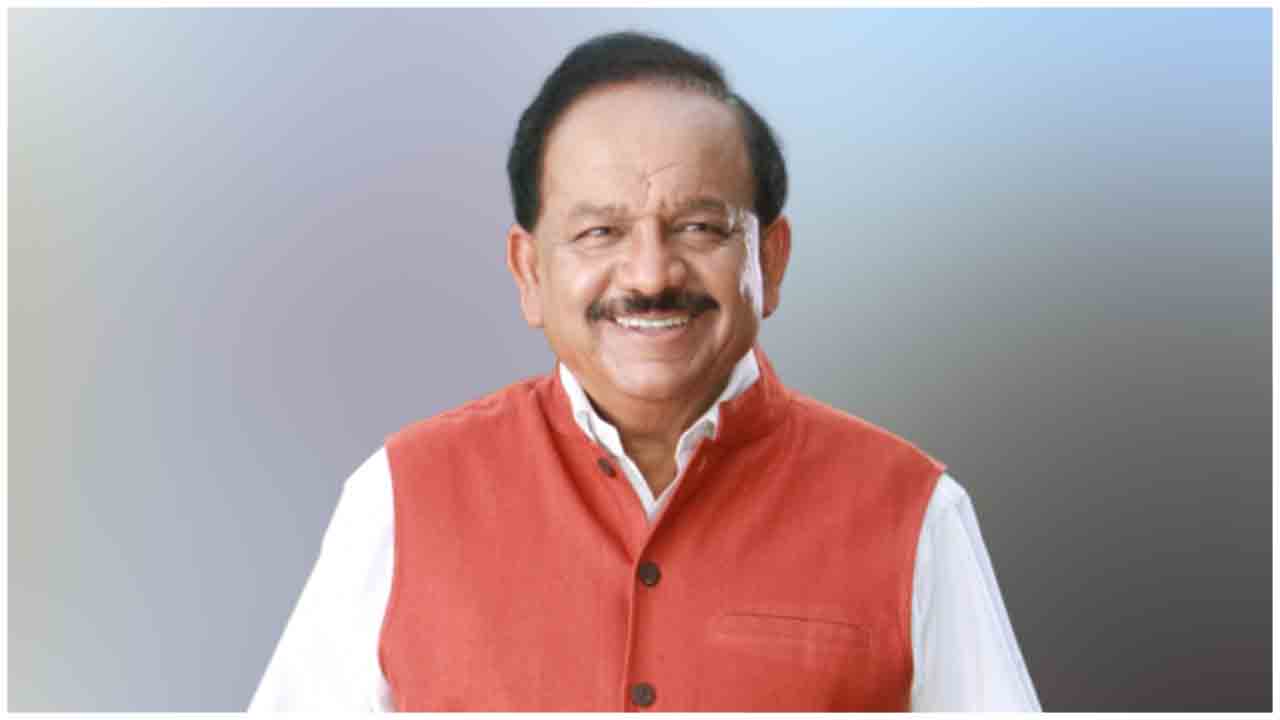
 Dr Harsh Vardhan stated that this initiative will enable us in educating the common people on prevention of thalassemia




Dr Harsh Vardhan, Union Minister of Health & Family Welfare inaugurated a Thalassemia Screening and Counselling Centre at Indian Red Cross Society’s National Headquarters (IRCS NHQ) Blood Bank, here today.
Expressing happiness at the starting of the Centre, Dr Harsh Vardhan lauded efforts of Indian Red Cross. Initiatives such as these “will enable us in educating the common people on prevention of this disease”, he added.
The Union Health Minister stated that there are around 270 million Thalassemia patients in the world. India has the largest number of children with Thalassemia major in the world, about 1 to 1.5 lakhs, and about 10,000 -15,000 children having Thalassemia major are born every year. The only cure available for such children is bone marrow transplantation (BMT). However, BMT is difficult and not affordable by the parents of all these children. Therefore, the mainstay of treatment is repeated blood transfusions, followed by regular iron chelation therapy to remove the excessive iron overload, consequent to the multiple blood transfusions.
Dr Harsh Vardhan stated that this new initiative of IRCS will provide a golden opportunity to administer adequate therapy to those affected enabling them lead a better life and preventing the birth of children affected with hemoglobinopathies, through carrier screening, genetic counselling and prenatal diagnosis. “This program will aid in prevention of birth of children affected with hemoglobinopathies, through well planned screening programs, information dissemination and awareness generation activities and help avert the imminent threat of this genetic disorder turning into a major health problem. With these progressive initiatives, we shall soon be able to achieve the New India being envisioned by the Prime Minister by 2022”, he stated.
Haemoglobinopathies, such as Thalassemia and sickle cell disease are inherited disorders of red blood cells and are preventable. These illnesses are chronic, life impairing and in some cases, life threatening and impose a heavy emotional and financial burden on families. In India, Thalassemia Major (TM) and the severe form of Thalassemia Intermedia (TI) constitute the major burden of disease. Both are commonly managed by regular lifelong blood transfusions and regular iron chelation. These Thalassemia syndromes are caused by inheritance of abnormal (beta) Thalassemia genes from both parents or abnormal beta-Thalassemia gene from one parent and abnormal variant haemoglobin gene (HbE, HbD) from the other parent.
Shri R. K. Jain, Secretary General, IRCS and representatives of IRCS, Thalassemics India and the health Ministry were also present at the inauguration.






.jpeg)
.jpg)
.jpg)
.jpg)
.jpg)
.jpg)
.jpg)


.jpg)
.jpg)
.jpg)
.jpg)
.jpg)
.jpg)