Tuesday, October 27, 2026
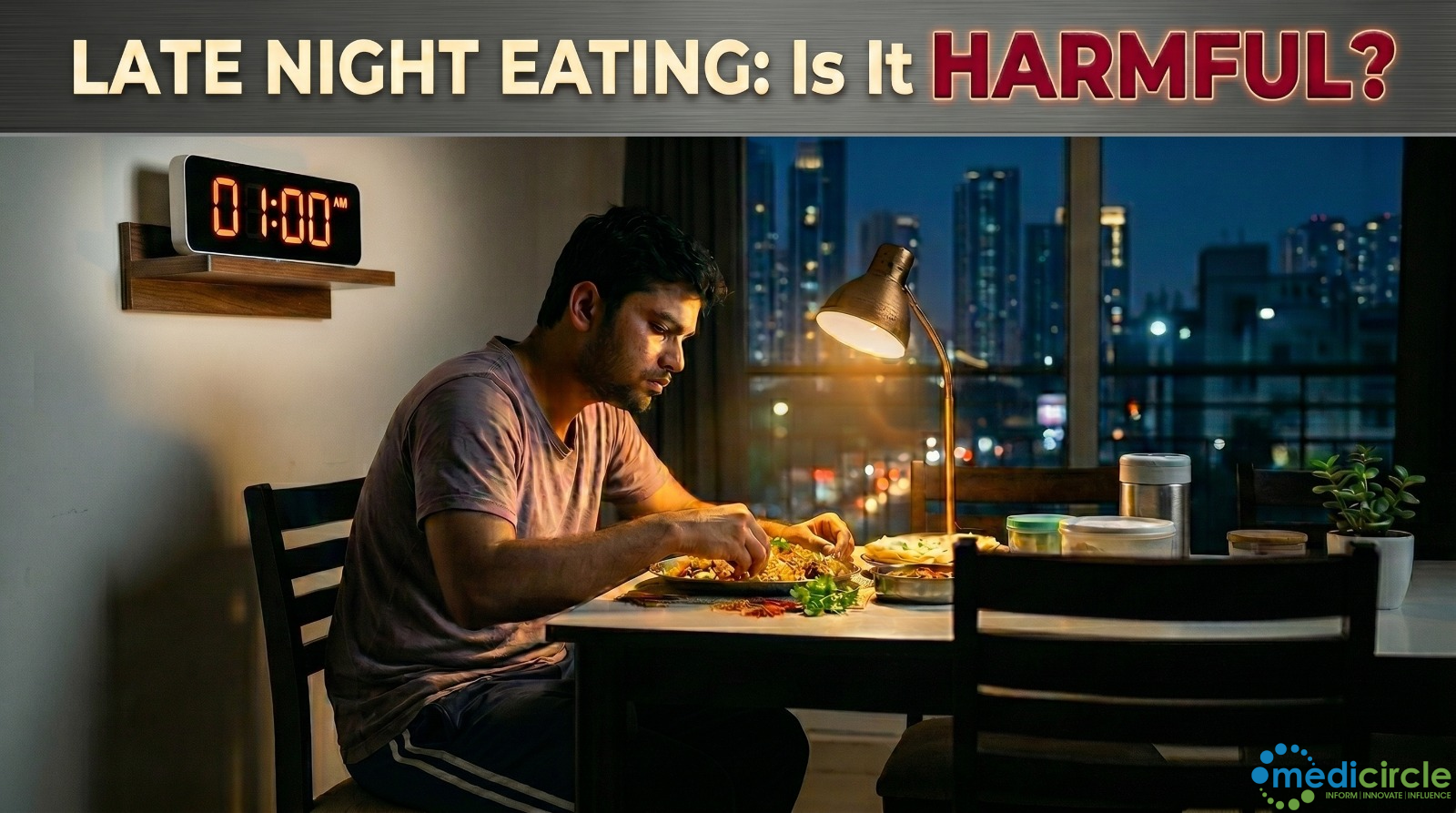
 Understanding late night eating helps you make better food choices without harming digestion or sleep. Choosing healthy snacks for the evening can support metabolism, weight balance, and overall well-being.




Late Night Eating: What Really Happens When You Eat at Night
Why Late Night Eating Feels So Common TodayLate night eating has become part of modern routines. Long work hours, irregular schedules, and screen time often push meals later into the night.
In real life, this looks familiar:
- Someone finishing dinner at 11 PM after work
- A student snacking while studying late
- Watching shows and reaching for night time snacks out of habit
The issue isn’t simply eating late—it’s what and how much you eat that determines its impact.
Is Late Night Eating Actually Harmful?
Late eating is not automatically harmful, but it can affect your body depending on patterns and choices.
How Your Body Responds at NightAt night, digestion slows slightly as your body prepares for rest. Heavy or processed foods can feel harder to digest, leading to discomfort.
Common effects people notice:
- Feeling bloated after late meals
- Poor sleep quality
- Mild acidity or heaviness
However, light and balanced healthy food to eat at night can be digested comfortably without causing issues.
When Late Night Eating Becomes a Problem
Unstructured Eating PatternsIrregular eating habits often lead to overeating at night. Skipping meals during the day increases hunger later, resulting in poor food choices.
High-Calorie, Processed FoodsMost unhealthy late night snacks are:
- High in sugar (desserts, packaged sweets)
- High in fat (fried snacks, chips)
- Low in nutrients
These disrupt metabolism and may contribute to weight gain over time.
Healthy Late Night Eating: What Actually Works
Instead of avoiding food completely, the goal is to make better choices.
Smart Principles for Night Eating- Keep portions small and balanced
- Choose easy-to-digest foods
- Avoid excessive sugar and oil
- Maintain a consistent eating routine
This approach transforms late night eating into a sustainable habit rather than a problem.
Best Foods to Eat at Night Without Disrupting Health
Choosing the best food to eat at night means focusing on light, nourishing, and satisfying options.
Balanced Snack Ideas- Yogurt with a few nuts
- Fruit with a small portion of seeds
- Warm milk or plant-based alternatives
- Light vegetable soups
These are excellent healthy nighttime snacks because they provide nutrients without overwhelming digestion.
Healthy Snacks for the Evening That Support Weight Balance
Many people worry about weight gain from eating late. The key is mindful selection.
Effective Options for Weight Management- Roasted makhana (fox nuts) – light and low-calorie
- Boiled chana – provides protein and keeps you full
- Apple slices with peanut butter – balances carbs and fats
- Oats or porridge – slow-digesting and satisfying
These healthy snacks for weight loss at night help control hunger without adding unnecessary calories.
Real-Life Examples: How People Manage Late Night Hunger
Working ProfessionalsA corporate employee finishing dinner late may switch from heavy meals to:
- Vegetable soup + 1 roti
- Curd with a small portion of rice
This reduces heaviness and improves sleep.
Students and Night WorkersInstead of packaged snacks, replacing them with:
- Fruit bowls
- Nuts or seeds
- Homemade sandwiches
makes night snacking healthier and more sustainable.
Late Night Eating and Sleep: The Hidden Connection
Eating patterns influence sleep quality more than most people realize.
What Helps Sleep- Light meals improve comfort
- Warm beverages can be calming
- Balanced nutrients prevent midnight hunger
- Spicy or oily food
- Sugary desserts
- Overeating close to bedtime
Choosing the right healthy food at night time supports both digestion and restful sleep.
Common Myths About Late Night Eating
“Eating at Night Always Causes Weight Gain”Weight gain depends on total daily intake, not just timing. Evening meals can fit into a healthy routine if portions are controlled.
“Skipping Dinner Is Better Than Eating Late”Skipping meals often leads to overeating later or energy imbalance. A light meal is usually a better option.
Practical Tips to Manage Late Night Eating
Simple Changes That Make a Difference- Eat balanced meals during the day to avoid late hunger
- Keep healthy snacks for the evening readily available
- Avoid eating directly from large packets
- Drink water before assuming hunger
These small habits help regulate late night eating naturally.
Related Conditions Linked to Late Eating Patterns
Weight FluctuationsIrregular and unhealthy night eating can contribute to gradual weight gain.
Digestive DiscomfortHeavy meals late at night may cause bloating or acidity.
Sleep DisturbancesPoor food choices before bed can affect sleep cycles and rest quality.
Building a Sustainable Night Eating Routine
Instead of eliminating late night eating, focus on improving it.
A realistic approach:
- Plan lighter dinners
- Choose nutrient-dense snacks
- Maintain consistent timing
This allows flexibility without compromising health.
Conclusion: It’s Not About Avoiding Night Eating—It’s About Doing It Right
Late night eating is not inherently harmful. The impact depends on your food choices, portion size, and overall lifestyle.
By choosing healthy snacks for the evening and focusing on balance, you can enjoy night meals without affecting digestion, weight, or sleep.
FAQs
- Is late night eating bad for health?
Late night eating is not necessarily harmful. It becomes problematic when meals are heavy, processed, or excessive. Choosing healthy night time snacks in moderate portions can be completely safe and even beneficial.
- What are the best foods to eat at night?
The best food to eat at night includes light and easy-to-digest options like yogurt, fruits, soups, or oats. These provide nutrition without causing discomfort or heaviness.
- Can I eat snacks at night and still lose weight?
Yes, healthy snacks for weight loss at night like makhana, fruits, or nuts can help manage hunger without adding excess calories. Portion control is key.
- Why do I feel hungry late at night?
Late hunger often results from skipped meals, low protein intake, or irregular eating patterns during the day. Balancing meals earlier helps reduce nighttime cravings.
- Are fruits good for late night eating?
Yes, fruits are excellent healthy snacks at night. They are light, hydrating, and provide natural sugars without being heavy on digestion.
- Does late night eating affect sleep?
It can, depending on the food. Heavy, spicy, or sugary foods may disrupt sleep, while light healthy nighttime snacks can support better rest.
- What should I avoid eating at night?
Avoid fried foods, sugary desserts, and highly processed snacks. These can lead to discomfort and poor sleep quality.
- Is it okay to eat after midnight?
Eating after midnight is fine if you choose light, balanced options and keep portions small. The focus should remain on quality rather than timing alone.
- How can I control late night cravings?
Maintaining regular meals, staying hydrated, and keeping good late night snacks available can help reduce unhealthy cravings.
- What is the healthiest late night snack?
The healthiest late night snack combines protein and fiber, such as yogurt with nuts or fruit with seeds. These options keep you satisfied without overloading your system.





-23-300x250.png)

.jpeg)





.jpg)
.jpg)
.jpg)
.jpg)
.jpg)
.jpg)
.jpg)
.jpg)
.jpg)