 Tuesday, October 27, 2026
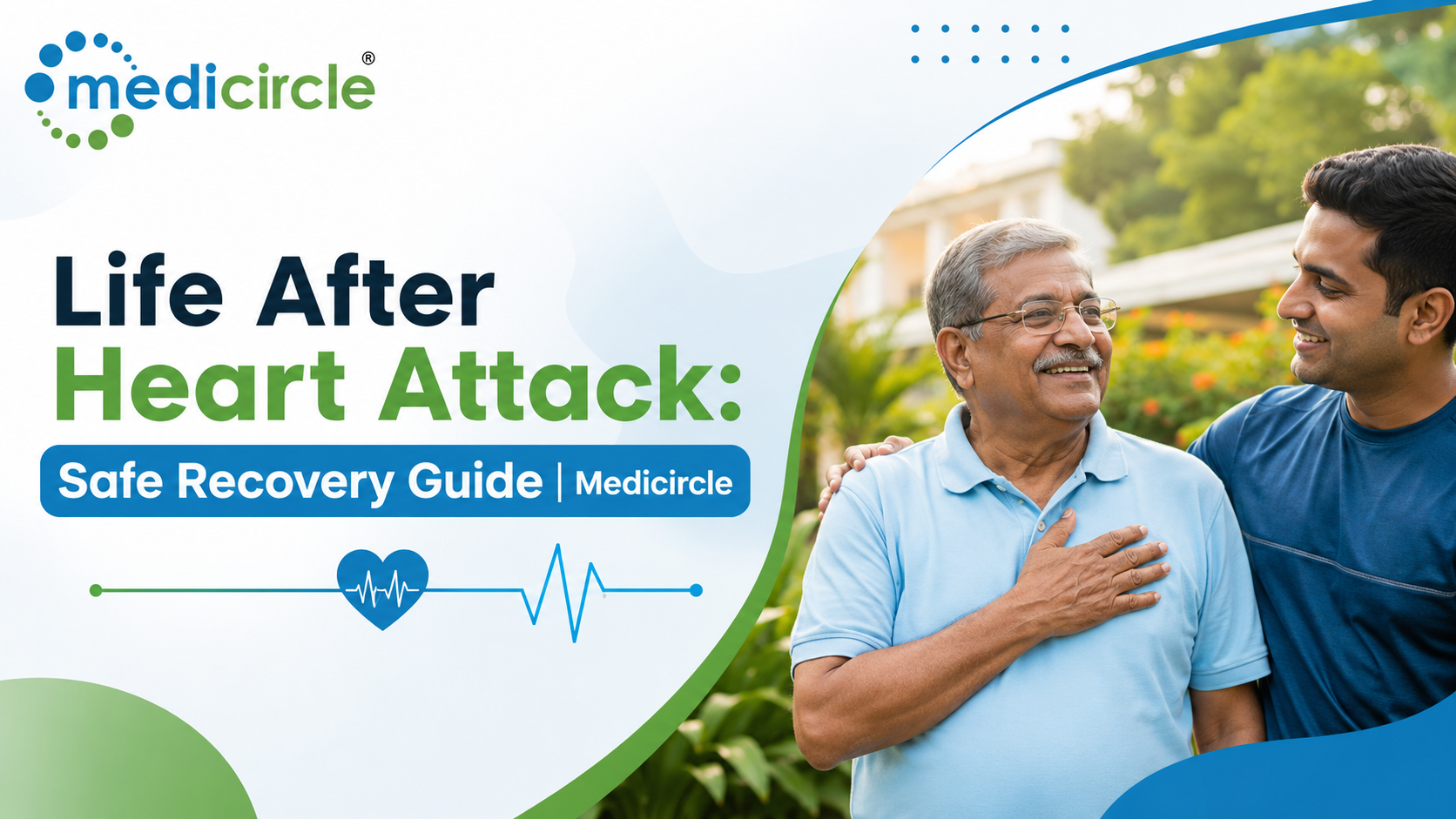
 A comprehensive guide to post-heart attack recovery for Indian patients, covering cardiac rehabilitation, medication adherence, diet, exercise, risk factor management, and long-term cardiovascular prevention strategies.




Life After a Heart Attack: A Doctor's Guide to Safe Recovery and Prevention
A heart attack is one of the most frightening events a person can face. But surviving one is not the end of the story. For millions of Indians who experience a myocardial infarction every year, what happens in the weeks and months after the event is just as important as the emergency care received in the hospital. The choices made during recovery determine whether the heart heals well, whether the risk of a second attack decreases, and whether a person can return to a full and meaningful life.
India carries one of the highest burdens of cardiovascular disease in the world. According to data from the Indian Council of Medical Research (ICMR), cardiovascular diseases account for nearly 28 percent of all deaths in India. Alarmingly, Indians tend to develop heart disease a decade earlier than their Western counterparts, and a significant proportion of first heart attacks occur before the age of 50. This makes the recovery phase not just a matter of physical healing but also a critical window for long-term prevention.
This guide is designed to help heart attack survivors and their families understand what to expect during recovery, what steps support genuine healing, and how to reduce the chances of another cardiac event.
Understanding What Happens to the Heart After a Heart Attack
When a heart attack occurs, a portion of the heart muscle is deprived of oxygen due to a blocked coronary artery. Depending on how long the artery remained blocked before treatment, a section of the heart muscle may be permanently damaged and replaced by scar tissue over time.
The heart does not regenerate in the way some other organs do. However, the unaffected parts of the heart can gradually compensate, and with the right medical care and lifestyle support, many survivors regain strong cardiac function. The degree of recovery depends on several factors, including how quickly treatment was administered, how much of the heart muscle was affected, the patient's age, and the presence of other conditions such as diabetes or hypertension.
Cardiologists typically use a measurement called the ejection fraction to assess how well the heart is pumping blood. A normal ejection fraction ranges between 55 and 70 percent. After a heart attack, this number may be lower, but with appropriate treatment and rehabilitation, it often improves over three to six months.
The First Few Weeks: What to Expect After Discharge
The initial weeks following discharge from the hospital are a period of careful adjustment. Patients often feel physically weak, emotionally overwhelmed, and uncertain about what they can and cannot do. Both of these responses are entirely normal.
Physical Recovery in the Early Weeks
During the first one to two weeks, rest is essential. However, complete inactivity is not recommended. Most cardiologists advise patients to begin light walking from the first week itself, gradually increasing the duration and pace as tolerated. The goal is to rebuild stamina slowly without placing excessive demand on the healing heart.
Patients should avoid heavy lifting, strenuous physical activity, and high levels of emotional stress during this period. Driving is typically not recommended for at least two to four weeks after a heart attack, and this timeline may extend depending on the severity of the attack and the procedures performed.
Sexual activity can usually be resumed within four to six weeks, provided the cardiologist has cleared the patient after an assessment. The energy required is often comparable to climbing two flights of stairs.
Emotional and Psychological Wellbeing
It is well established in cardiology literature that depression and anxiety are common after a heart attack, affecting up to 25 to 30 percent of survivors. These emotional responses are not signs of weakness. They reflect the psychological impact of a life-threatening event, concerns about mortality, fear of recurrence, and significant lifestyle changes.
Families and caregivers play a critical role here. Patients should be encouraged to speak openly about their fears, and professional psychological support should be sought when needed. In India, the conversation around mental health in cardiac recovery is still evolving, but leading cardiologists and hospitals are increasingly integrating psychological counseling into post-cardiac care programs.
Cardiac Rehabilitation: The Most Underutilized Tool in Indian Heart Care
Cardiac rehabilitation is a structured, medically supervised program that combines exercise training, education, and psychological support to help heart attack survivors recover fully and reduce their risk of future events. It is one of the most evidence-based interventions available, yet it remains dramatically underutilized across India.
A comprehensive cardiac rehabilitation program typically spans six to twelve weeks and includes supervised exercise sessions, dietary counseling, stress management techniques, medication education, and risk factor modification.
Research consistently shows that patients who complete cardiac rehabilitation programs have a 25 to 30 percent lower risk of dying from heart disease and a significantly reduced chance of being hospitalized again within the first year. Despite this, awareness of cardiac rehabilitation in India is low, and the number of dedicated programs across Tier 1 and Tier 2 cities remains far below what is needed.
Patients who have recently survived a heart attack should ask their cardiologist about referral to a cardiac rehabilitation program. Many leading hospitals in cities like Mumbai, Delhi, Bengaluru, Chennai, Hyderabad, and Pune now offer structured programs. For patients in smaller cities and towns, some hybrid and home-based models supervised through teleconsultation are also emerging.
Medications After a Heart Attack: Why Adherence Matters
One of the most important aspects of post-heart attack care is medication adherence. Cardiologists typically prescribe a combination of medications after a heart attack, and each one serves a specific and vital purpose. Stopping medications without medical advice significantly increases the risk of another event.
The standard medication regimen after a heart attack often includes antiplatelet agents such as aspirin and clopidogrel to prevent clot formation, beta-blockers to reduce the workload on the heart, ACE inhibitors or ARBs to support heart function and reduce blood pressure, and statins to lower cholesterol and stabilize arterial plaques.
Many patients in India discontinue their medications once they begin feeling better, mistakenly believing that feeling well means the heart is fully healed. This is a dangerous misconception. These medications are prescribed not because the patient feels unwell but because they significantly reduce the statistical risk of another heart attack.
Patients should also be aware that generic versions of all major cardiac medications are available through the Jan Aushadhi scheme and government health facilities, making adherence financially feasible even for those without insurance coverage.
Dietary Changes That Support Heart Recovery
Food choices after a heart attack have a direct impact on recovery and long-term cardiovascular health. The traditional Indian diet, when thoughtfully constructed, can be highly heart-friendly. However, many regional dietary patterns include excessive salt, refined carbohydrates, full-fat dairy, and deep-fried preparations that need to be significantly modified.
Heart-protective dietary principles include increasing the intake of fresh vegetables, fruits, whole grains such as oats, millets, and brown rice, and plant-based proteins such as lentils, legumes, and low-fat dairy. The consumption of omega-3 fatty acids through flaxseeds, walnuts, and fatty fish (for non-vegetarians) supports arterial health and reduces inflammation.
Salt restriction is critical, particularly for patients with hypertension alongside heart disease. The WHO recommends limiting sodium intake to less than 5 grams per day, roughly equivalent to one teaspoon of salt. Indian cooking habits often exceed this significantly through the use of pickles, papads, processed snacks, and cooking salts combined.
Refined oils should be replaced with heart-healthy options. Cold-pressed mustard oil, used in moderation, is widely acceptable in Indian cooking and carries beneficial fatty acid profiles. Groundnut oil and rice bran oil are also reasonable choices. Vanaspati, partially hydrogenated oils, and excessive coconut oil in daily cooking should be avoided.
Patients following Ayurvedic or traditional dietary practices should continue doing so only after consulting their cardiologist, particularly when it involves herbal supplements, as some preparations may interact with cardiac medications.
Exercise and Physical Activity: Building Back Strength Safely
Physical activity after a heart attack is not only safe under medical supervision but also actively beneficial. Regular, moderate exercise strengthens the heart muscle, improves circulation, reduces blood pressure, lowers cholesterol, and significantly improves psychological well-being.
The standard recommendation for most post-heart attack patients is at least 150 minutes of moderate-intensity aerobic exercise per week, typically in the form of brisk walking. This should be built up gradually over several weeks based on the patient's tolerance and the cardiologist's guidance.
Yoga, which is both culturally embedded and widely accessible in India, has demonstrated meaningful cardiovascular benefits in research settings. Pranayama (breathing exercises) and gentle asanas can be incorporated from the early recovery phase with appropriate guidance. However, intense forms such as hot yoga or vigorous Ashtanga practices should be avoided in the first few months after a heart attack.
Warning signs during exercise that require immediate medical attention include chest pain or discomfort, extreme breathlessness, dizziness, palpitations, or unusual fatigue. Patients should be educated to recognize these symptoms and should never exercise alone during the early recovery phase.
Managing Risk Factors to Prevent a Second Heart Attack
The greatest concern after surviving a heart attack is preventing the next one. Secondary prevention is a discipline in itself and requires consistent, lifelong effort.
Controlling Blood Pressure and Diabetes
Hypertension and diabetes are among the most powerful risk factors for recurrent heart attacks in the Indian population. Both conditions damage blood vessels progressively, increasing the likelihood of arterial blockages. Post-heart attack care must include aggressive management of both, with regular monitoring, adherence to prescribed medications, and lifestyle modifications.
India carries the world's highest burden of diabetes, with over 100 million diabetic individuals as of recent estimates. For heart attack survivors with diabetes, achieving good glycaemic control with HbA1c levels below 7 percent significantly reduces cardiovascular risk.
Smoking Cessation
Smoking is one of the single most modifiable risk factors for coronary artery disease. Quitting smoking after a heart attack reduces the risk of a second event by up to 50 percent within one year. This is one of the most powerful interventions available. Nicotine replacement therapies, counseling-based approaches, and pharmacological aids such as varenicline are all available in India and can be pursued with medical guidance.
Stress Management and Sleep Health
Chronic psychological stress and sleep deprivation are increasingly recognized as significant contributors to cardiovascular risk. In the high-pressure lifestyle patterns common to urban Indians, managing occupational stress, family responsibilities, and financial anxieties is an important but often neglected component of cardiac recovery.
Mindfulness-based stress reduction, adequate sleep of seven to eight hours per night, and maintaining social connections are all associated with better cardiac outcomes.
Follow-Up Care and Monitoring
Regular follow-up with a cardiologist is non-negotiable after a heart attack. In the first year, visits are typically scheduled at one month, three months, six months, and twelve months, with the frequency adjusted based on the patient's progress and complexity.
Investigations such as lipid profiles, blood glucose monitoring, kidney function tests (particularly important for patients on ACE inhibitors), and periodic echocardiography to assess cardiac function are standard components of long-term follow-up.
Patients covered under Ayushman Bharat Pradhan Mantri Jan Arogya Yojana (AB-PMJAY) can access secondary and tertiary cardiac care at impanelled hospitals across India. The Pradhan Mantri National Dialysis Programme and various state-level cardiac health schemes also provide support for those requiring ongoing treatment.
Medicircle serves as a trusted platform for Indian patients and families seeking to understand cardiac care better, find expert cardiologist voices, and stay informed about healthcare developments relevant to heart health in India.
When to Seek Immediate Medical Attention
Every heart attack survivor must know the warning signs of a recurrent event and act on them without delay. These include:
Sudden chest pain or pressure radiating to the arm, jaw, or back; breathlessness at rest or with minimal activity; profuse sweating without exertion; sudden severe dizziness or loss of consciousness; and a feeling of extreme fatigue or impending doom.
In India, the golden hour principle applies as firmly as anywhere in the world. Getting to a hospital with a catheterization laboratory within 90 minutes of symptom onset dramatically improves outcomes. The national cardiac emergency helpline and hospital-specific cardiac emergency numbers should be saved in every heart attack survivor's phone.
Conclusion
Surviving a heart attack is a second chance, and how that chance is used defines the quality and length of life ahead. Recovery is not merely about physical healing. It is a comprehensive process that involves medication adherence, dietary discipline, physical rehabilitation, emotional resilience, and consistent medical follow-up.
For Indian patients, the journey involves navigating healthcare access, affordability, cultural dietary habits, high-stress lifestyles, and a healthcare system that is evolving rapidly. The tools are available. Cardiac rehabilitation programs are expanding. Government health schemes provide coverage. Expert cardiologists are increasingly accessible through digital platforms.
The most important decision a heart attack survivor can make is to treat recovery with the same seriousness as the emergency itself. A heart that has been through one attack can still beat strongly for decades, provided it receives the attention, care, and respect it deserves.
Frequently Asked Questions
How long does it take to fully recover from a heart attack? Recovery timelines vary based on the severity of the attack and the patient's overall health. Most patients begin resuming light activities within two weeks and return to normal routines within four to eight weeks. Full cardiac rehabilitation, however, typically spans three to six months. The heart may continue to improve for up to a year after the event.
Can a person live a normal life after a heart attack in India? Yes, a large proportion of heart attack survivors in India go on to lead full and active lives. With adherence to medications, lifestyle modifications, regular follow-up, and cardiac rehabilitation, the risk of a second event is substantially reduced. Many patients return to work, exercise, and social activity within six to eight weeks.
What foods should be completely avoided after a heart attack? Patients recovering from a heart attack should avoid trans fats and partially hydrogenated oils (found in vanaspati and many packaged snacks), excessive salt and high-sodium foods such as pickles and processed meats, full-fat dairy in large quantities, refined sugars and white flour preparations, and alcohol. These foods contribute to plaque formation, elevated blood pressure, and worsened lipid profiles.





-23-300x250.png)

.jpeg)







.jpg)
.jpg)
.jpg)
.jpg)
.jpg)
.jpg)
.jpg)
.jpg)
.jpg)

