 Thursday, November 19, 2026
 In a rare medical case, doctors at Manipal Hospital Dwarka, successfully treated a 14-year-old girl with a rare aggressive form of cancer known as signet ring cell carcinoma at the gastroesophageal (GE) junction, where the food pipe meets the stomach.





New Delhi | 24th March 2026: In a rare medical case, doctors at Manipal Hospital Dwarka, successfully treated a 14-year-old girl with a rare aggressive form of cancer known as signet ring cell carcinoma at the gastroesophageal (GE) junction, where the food pipe meets the stomach. The condition had severely impacted the child’s ability to swallow even small amounts of food, significantly affecting her daily life and nutrition, before she was brought to the hospital for evaluation. Further diagnostic tests, including a biopsy, confirming the presence of the rare cancer. According to studies under National Institutes of Health (NIH), stomach and esophageal cancer account for a major cancer burden worldwide; however, their occurrence in paediatric patients remains extremely rare. In younger patients, such cancers often develop without clearly identifiable lifestyle or environmental risk factors.
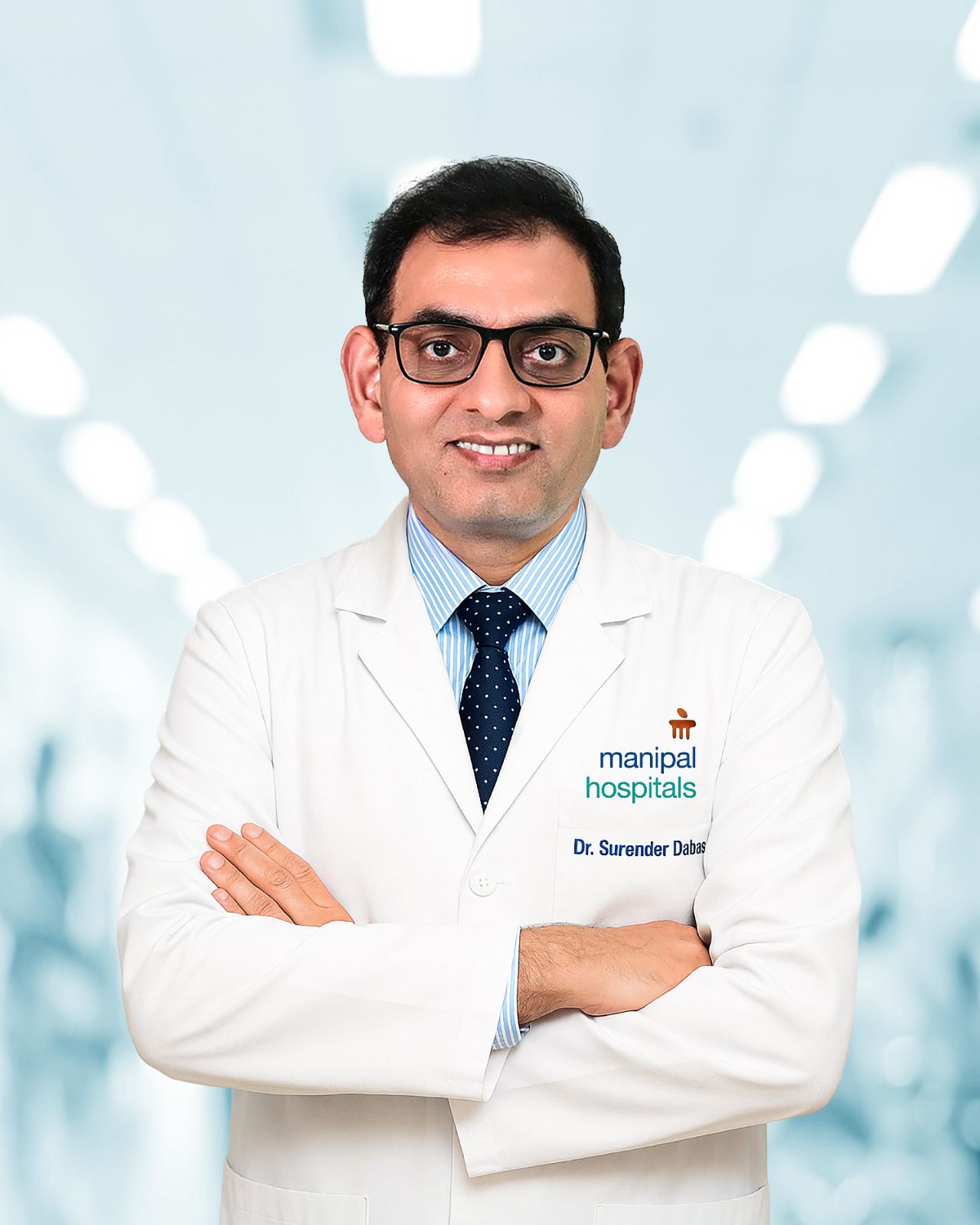
The teenager girl underwent five cycles of pre-surgery chemotherapy as part of her treatment process. Subsequently, the oncology team led by Dr. Surender Kumar Dabas, Chairman - Manipal Comprehensive Cancer Centre and Onco Robotic Surgeries, Manipal Hospitals , performed a robotic surgery to remove the affected part of the stomach along with nearby lymph nodes. The advanced procedure allowed the team to remove the tumour while preserving the surrounding vital parts.
Dr. Surender Kumar Dabas said, “ Cancers at the gastroesophageal junction are extremely rare in pediatric patients, which makes their diagnosis more complex. If such conditions are not treated in time, they can progress rapidly and spread to nearby organs, making treatment more complicated. In this case, the patient responded well to pre-surgery chemotherapy, allowing us to proceed with advanced surgical treatment. Robotic surgery enables greater precision, better visualization, and improved outcomes, especially in such delicate areas. The girl also showed remarkable courage throughout the treatment and has shown encouraging recovery, with improvement in her ability to eat and regain strength under medical supervision.”
This case highlights Manipal Hospital’s expertise in managing rare and complex cancers through early diagnosis, multidisciplinary collaboration, and advanced robotic surgical techniques, offering hope for improved outcomes even in challenging paediatric oncology cases.





-23-300x250.png)





















