 Tuesday, October 27, 2026
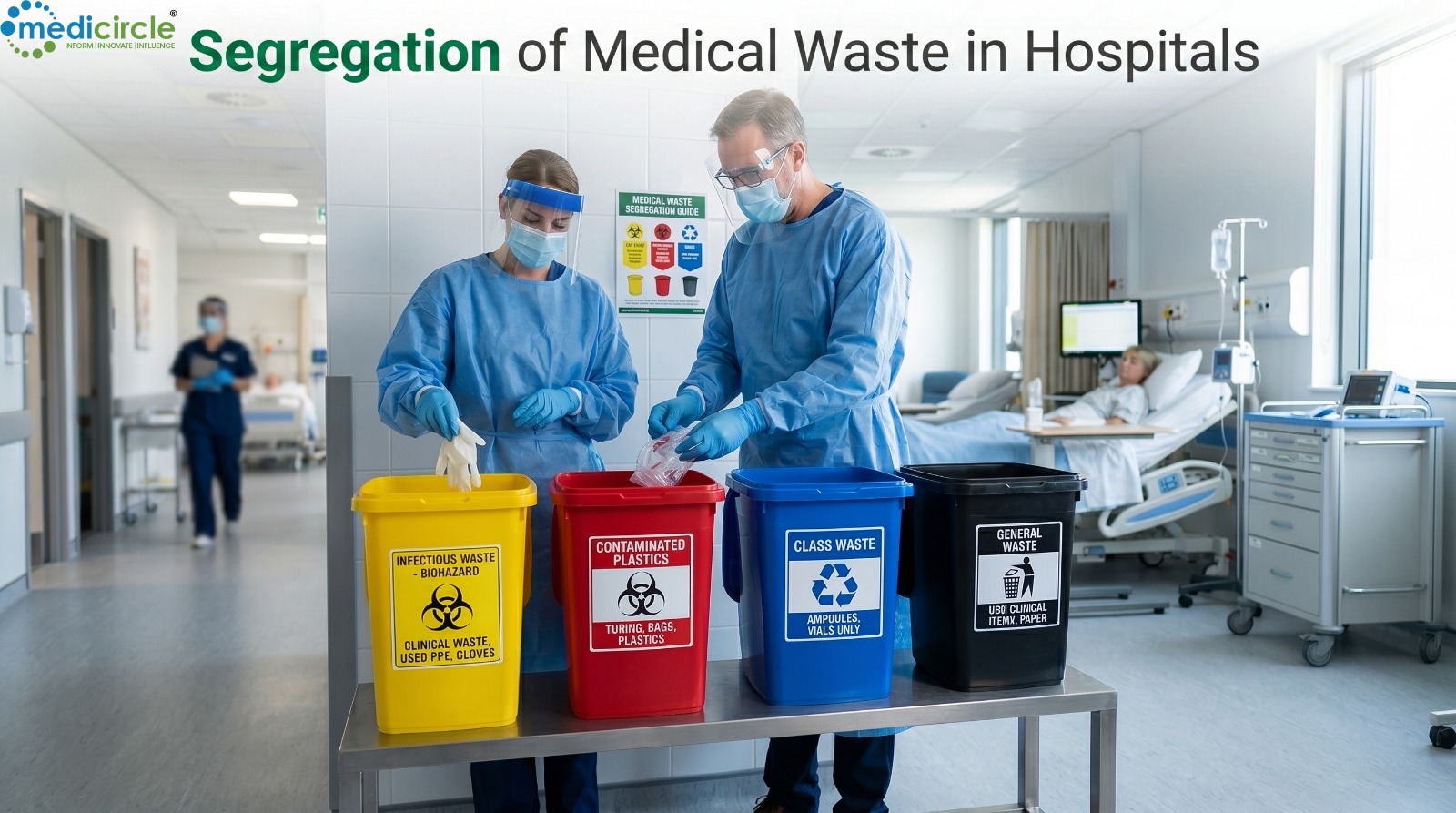
 Effective bio medical waste segregation is the foundation of safe and compliant healthcare waste handling. Strong waste segregation in hospital settings reduces infection risk, protects staff, and ensures efficient disposal.




Why Segregation Matters in Hospital Settings
In any healthcare facility, waste is not just “waste”—it can be infectious, hazardous, or even recyclable depending on how it is handled. Proper biomedical waste segregation ensures that each type of waste is treated appropriately from the point of generation.
In real-world hospital workflows, this becomes critical. For instance, a nurse disposing of a used syringe in the wrong container can create risk not only for housekeeping staff but also for waste handlers outside the hospital. Similarly, mixing general waste with infectious material increases disposal costs and complicates hospital bio medical waste management systems.
Segregation is therefore not just a regulatory requirement—it is a daily safety practice embedded into routine clinical care.
Understanding the Types of Medical Waste
Hospitals generate different categories of waste, and each requires a distinct handling method. Understanding these categories is the first step toward effective medical waste segregation.
Infectious WasteThis includes materials contaminated with blood, body fluids, or pathogens. Items like gauze, dressings, and swabs fall under this category. Improper handling can contribute to hospital-acquired infections.
Sharps WasteNeedles, blades, and other sharp objects require careful disposal in puncture-proof containers. Even a minor lapse can lead to needle-stick injuries, a common occupational hazard in healthcare.
Pathological WasteHuman tissues, organs, and body parts are categorized as pathological waste. These require specialized disposal methods under strict hospital waste management protocols.
Pharmaceutical and Chemical WasteExpired drugs, disinfectants, and laboratory chemicals must be handled separately to prevent environmental contamination.
General WasteNon-hazardous waste like packaging, paper, and food waste forms a large portion of hospital waste and can often be recycled if properly segregated.
Color Coding System in Biomedical Waste Segregation
A standardized color-coding system simplifies biomedical waste segregation and reduces human error in busy hospital environments. While exact rules may vary by country, the underlying principle remains consistent.
- Yellow category: Used for infectious and pathological waste requiring incineration or deep burial
- Red category: Contaminated recyclable waste such as tubing, IV sets, and catheters
- White (translucent) containers: Sharps waste like needles and scalpels
- Blue category: Glassware, broken vials, and metallic implants
In practice, this system works only when staff are trained and bins are easily accessible. For example, placing a sharps container at the point of care significantly reduces accidental misuse.
Practical Workflow of Waste Segregation in Hospitals
Segregation begins at the point of generation, not at the disposal stage. This is where many healthcare systems struggle despite having clear guidelines.
In a typical ward scenario, a patient dressing change generates multiple waste types—gauze (infectious), packaging (general), and possibly sharps. Effective waste segregation in hospital settings ensures each item goes into the correct container immediately.
This process involves coordination between clinical staff, housekeeping teams, and waste management personnel. When done correctly, it reduces downstream burden on hospital solid waste management systems and improves overall efficiency.
Common Challenges in Hospital Waste Segregation
Despite clear protocols, several practical challenges affect hospital bio waste management on a daily basis.
High Workload and Time ConstraintsIn emergency settings, staff may prioritize patient care over waste segregation, leading to mixed waste streams.
Lack of Training and AwarenessNew or temporary staff may not be fully aware of segregation protocols, especially in large hospitals with frequent staff turnover.
Inconsistent Availability of ResourcesMissing or overflowing bins disrupt proper segregation. Even a well-trained team cannot follow guidelines without adequate infrastructure.
Behavioral GapsSometimes, the issue is not knowledge but habit. Repeated shortcuts in waste disposal can become routine unless monitored through audits.
These challenges highlight that hospital segregation of waste is as much about human behavior as it is about systems and policies.
Strategies to Improve Biomedical Waste Segregation
Improving biomedical hospital waste management requires a combination of training, infrastructure, and accountability.
Focused Training ProgramsRegular, practical training sessions help reinforce correct segregation practices. Demonstrations using real scenarios are more effective than theoretical lectures.
Strategic Placement of BinsBins should be placed at the point of care—near patient beds, procedure rooms, and nursing stations—to encourage immediate segregation.
Monitoring and Feedback SystemsRoutine audits and feedback loops help identify gaps and improve compliance. For example, tracking how often incorrect waste appears in the wrong category can highlight training needs.
Simplifying the ProcessClear labeling, visual cues, and standardized containers make it easier for staff to follow protocols even during busy shifts.
Environmental and Public Health Impact
Proper medical waste segregation extends beyond hospital walls. It plays a significant role in environmental protection and public health.
When waste is correctly segregated:
- The volume of hazardous waste is reduced
- Recycling becomes more feasible
- Environmental contamination is minimized
Conversely, poor segregation can lead to unsafe recycling practices, groundwater contamination, and increased exposure to infectious materials.
In urban settings, where waste management systems are already under pressure, efficient hospital medical waste management becomes even more critical.
Regulatory Compliance and Accountability
Healthcare facilities are required to follow strict guidelines for biomedical waste segregation and disposal. Compliance is monitored through inspections, documentation, and reporting systems.
Hospitals that maintain accurate records of waste generation, segregation, and disposal are better equipped to meet regulatory standards. This also improves internal accountability, ensuring that every department contributes to effective hospital waste segregation practices.
The Role of Healthcare Workers in Daily Practice
Ultimately, the success of waste segregation in hospital settings depends on individual actions. Every healthcare worker—from doctors and nurses to housekeeping staff—plays a role.
A simple act, such as disposing of a used glove in the correct bin, contributes to a larger system of safety and efficiency. Over time, these small actions create a culture of responsibility within the institution.
Conclusion
Effective biomedical waste segregation is not just a technical requirement—it is a practical, everyday responsibility in healthcare settings. By combining structured systems, staff training, and consistent monitoring, hospitals can build efficient and safe hospital bio medical waste management practices.
When segregation is done correctly, it protects healthcare workers, reduces environmental impact, and strengthens the overall quality of care.
FAQs
- What is biomedical waste segregation and why is it important?
Biomedical waste segregation is the process of separating different types of medical waste at the point of generation. It is important because it ensures safe handling, reduces infection risks, and improves disposal efficiency.
- What are the main categories in medical waste segregation?
The main categories include infectious waste, sharps, pathological waste, chemical waste, and general waste. Each requires specific handling under hospital waste management guidelines.
- How does color coding help in hospital waste segregation?
Color coding simplifies identification and reduces errors. It allows healthcare workers to quickly determine where each type of waste should be disposed of, improving compliance.
- What happens if medical waste is not segregated properly?
Improper segregation can lead to increased infection risks, environmental contamination, and higher disposal costs. It also complicates hospital medical waste management processes.
- Who is responsible for waste segregation in hospitals?
All healthcare workers share responsibility, including doctors, nurses, and housekeeping staff. Effective hospital segregation of waste depends on teamwork and consistent practices.
- How can hospitals improve waste segregation practices?
Hospitals can improve by providing training, ensuring availability of bins, conducting audits, and reinforcing accountability in daily routines.
- What is the role of audits in biomedical waste management?
Audits help identify gaps in biomedical waste segregation, monitor compliance, and provide feedback for continuous improvement.
- Is general waste also part of hospital waste management?
Yes, general waste forms a significant portion of hospital waste. Proper segregation ensures it can be safely disposed of or recycled.
- How does waste segregation impact the environment?
Correct segregation reduces hazardous waste, supports recycling, and minimizes environmental pollution, making bio waste management more sustainable.
- What are common mistakes in hospital waste segregation?
Common mistakes include mixing waste types, incorrect use of color-coded bins, and lack of adherence to protocols during busy periods.





-23-300x250.png)

.jpeg)






.jpg)
.jpg)
.jpg)
.jpg)
.jpg)
.jpg)
.jpg)
.jpg)
.jpg)

