 Wednesday, October 28, 2026
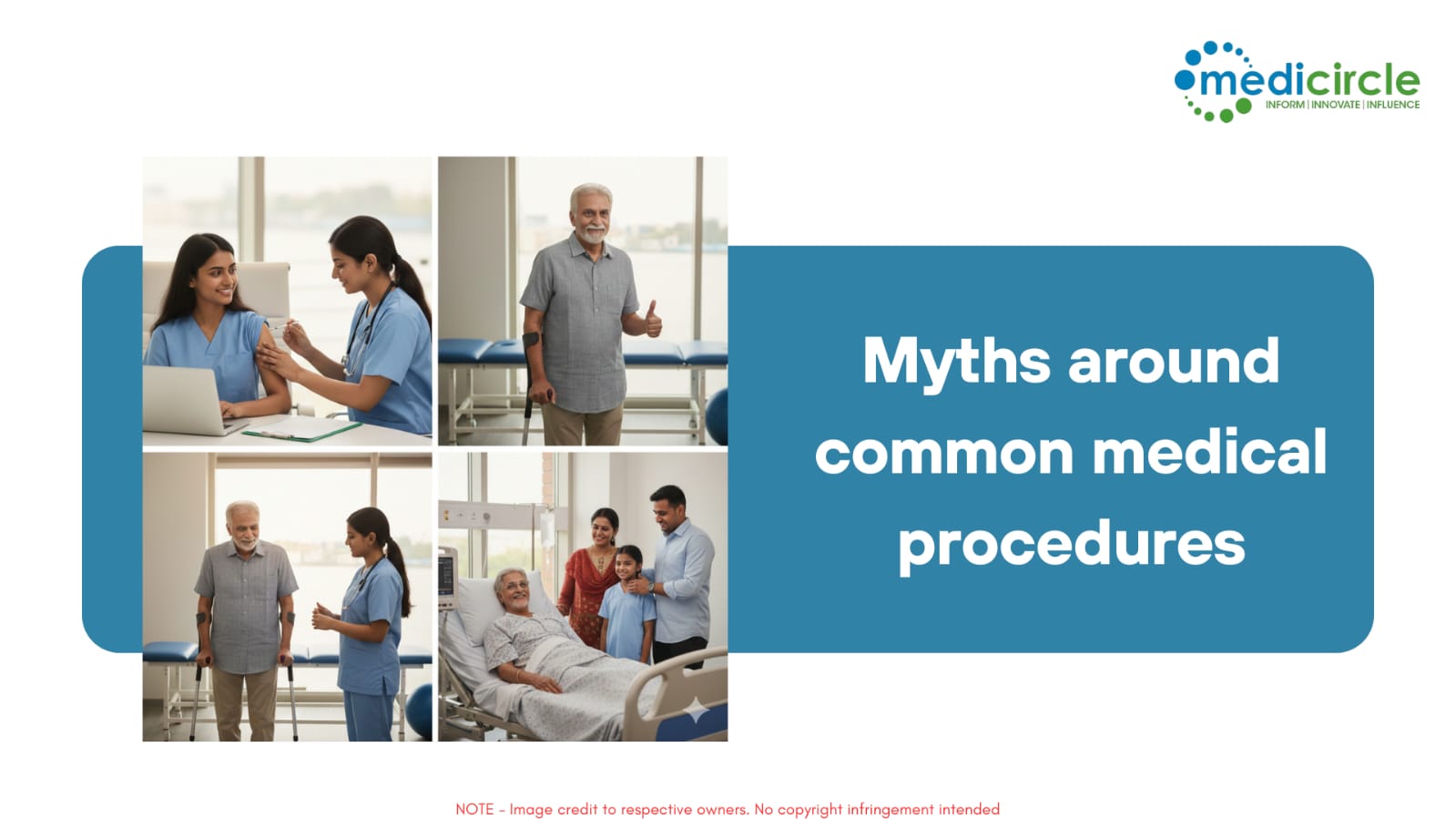
 Common myths about surgery, checkups, and medical procedures cause unnecessary fear and delays in care. Understanding modern medical facts helps people make confident, informed decisions about their health.




Many people recognize this situation. A knee aches for months but a family member insists surgery requires a year of bed rest. Someone considers a routine health check, only for a relative to question the purpose of looking for problems. In our communities, advice shared over tea can feel as weighty as a doctor's professional opinion. These common myths about medical treatment create genuine anxiety. They encourage people to delay vital care, sometimes allowing a minor health issue to develop into a serious condition.
We can unravel these misconceptions together. This discussion will address some persistent myths, present current facts, and hopefully make the journey to consulting a doctor feel more straightforward.
Myth One: Surgery Represents the Most Dangerous Choice
A profound fear exists around surgery. The concept of an operation feels like venturing into uncertainty, fueled by stories of severe complications and very long recoveries. Modern medical practice has fundamentally changed surgical care.
Contemporary surgical safety relies on progress, not chance. Decades of improvement in anesthesia, sterile instrument processing, and post-operative pain management form its foundation. Consider cataract surgery, a procedure known globally for its common success. For many health issues, from acute appendicitis to sports injuries, surgery often provides the most effective and reliable solution. The objective involves having a detailed conversation with your surgeon, asking every necessary question, and understanding the tailored plan for your personal health.
Myth Two: Keyhole Surgery Lacks Thoroughness
The idea of a surgeon working through very small incisions naturally prompts questions about visibility and completeness. This concern is understandable yet the reality proves quite different.
Laparoscopic surgery demonstrates modern precision. Surgeons employ a slender camera that projects a bright, magnified view onto a high definition screen. This visual perspective frequently offers greater clarity than direct observation during open surgery. For procedures such as hernia repair or gallbladder removal, the outcomes are equally effective. Patients benefit through a smaller scar, significantly reduced post-operative pain, a lower infection risk, and a quicker return to daily activities within days. This approach represents a medical advancement.
Myth Three: Feeling Fine Makes Check-ups Unnecessary
A popular question asks why one would fix something not broken. This reasoning appears sound but human physiology often operates differently. Silent health conditions occur more frequently than many realize.
Health issues like hypertension, early stage diabetes, and some cancers can develop quietly over long periods. A comprehensive health check serves less for finding sickness and more for evaluating overall well-being. A good comparison is servicing a vehicle to prevent a future roadside failure. This proactive step establishes a personal health baseline and identifies emerging trends. One test could reveal increasing cholesterol levels, creating an opportunity to adjust nutrition and habits well before medication becomes necessary. Investing in a check-up is an investment in future wellness.
Myth Four: Plastic Surgery Serves Only Cosmetic Goals
Celebrity culture has closely linked the term plastic surgery with vanity. This connection overlooks the field's fundamental healing purpose.
A major portion of this specialty focuses on reconstruction. This surgery rebuilds a jaw following trauma, grafts skin for a burn survivor, or recreates a breast after cancer treatment. It allows a child born with a cleft lip the ability to smile with ease. For these patients, the goal involves restoring normal function and personal dignity. Even aesthetic procedures, when considered carefully, can repair self-esteem affected for many years. The specialty remains rooted in restoration.
Myth Five: LASIK is a Painful and Risky Eye Gamble
The concept of a laser near the eye causes understandable hesitation. Stories about pain or poor outcomes often stop the discussion completely.
Current LASIK procedures differ greatly from these fears. The treatment uses anesthetic eye drops so patients feel pressure rather than sharp pain. The laser follows incredibly detailed computer maps of the cornea, ensuring high precision. The process completes within minutes. Most suitable patients observe a dramatic improvement in their vision by the following morning. While the procedure is not appropriate for everyone, eligible candidates report some of the highest satisfaction rates in medical care.
Guiding Your Health:
These myths continue because they connect to a universal fear of the unknown. The most effective remedy is a straightforward and powerful tool, which is a direct discussion with your doctor.
Proceed with clear understanding. When you encounter a worrying health story, pause for reflection. Bring that specific concern to your next medical appointment. Ask your doctor for their professional view on that matter for your individual situation. Trust the expertise of professionals committed to healing.
Your personal health journey deserves clear direction. Allow factual information from reliable sources to guide your choices. Prepare thoughtful questions, seek trustworthy answers, and move forward with assurance towards appropriate care.





-23-300x250.png)

.jpeg)






.jpg)
.jpg)
.jpg)
.jpg)
.jpg)
.jpg)
.jpg)
.jpg)
.jpg)

