 Thursday, October 08, 2026
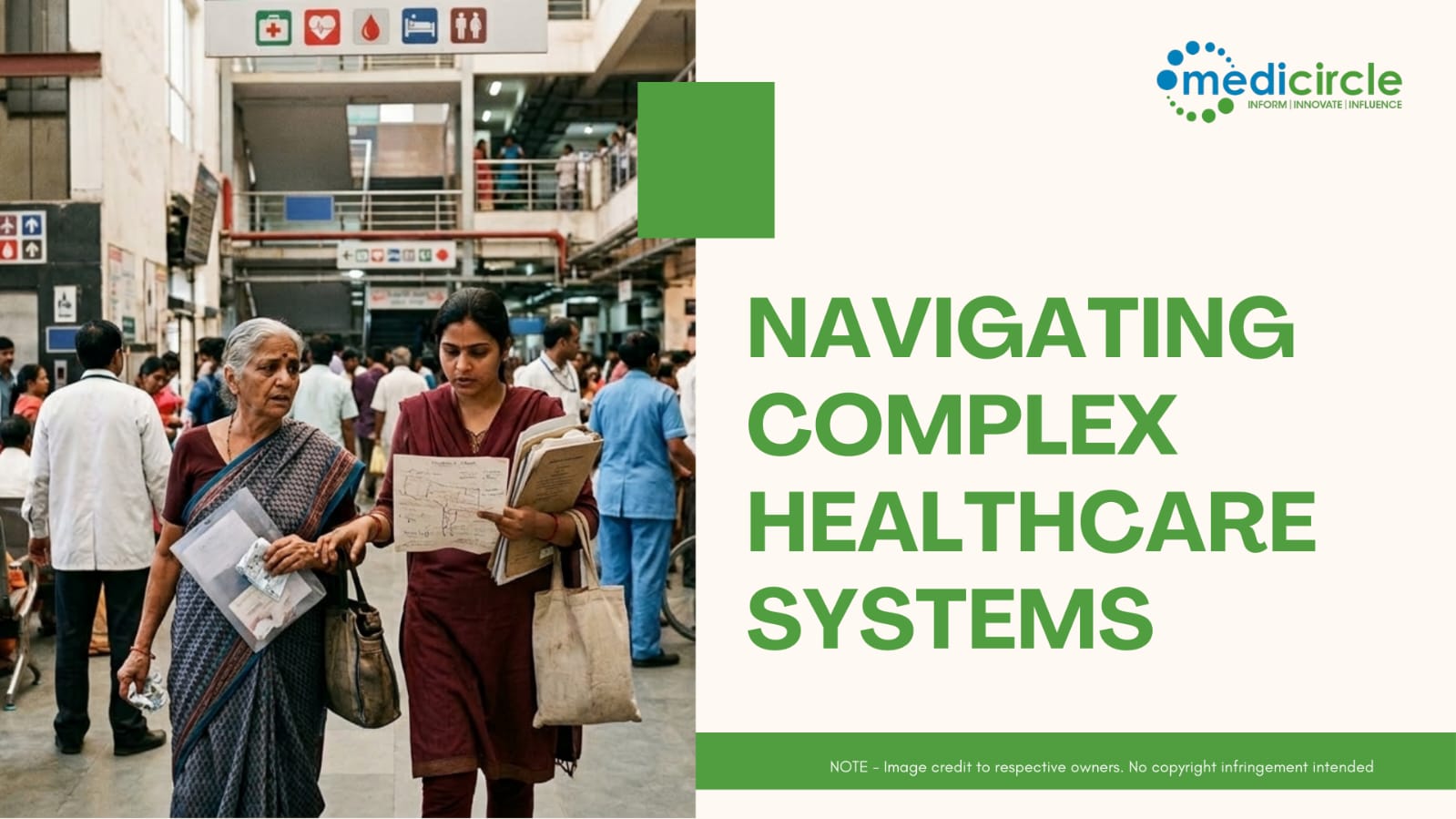
 India is witnessing a massive shift toward a proactive and patient-centered model where digital ecosystems, prevention, and technology work together to ensure long-term well-being and accessible healthcare




The historical approach to healthcare within India followed a very basic pattern. A person felt sick, visited a medical professional, and then obtained a medical prescription. This was a reactive method. That outdated model is now disappearing quickly. We are currently experiencing a significant move toward a more intelligent and proactive way of living. Being healthy in 2026 is no longer about just recovering from a common fever. It involves mastering a digital world where data and technology keep us well before a crisis occurs. For modern Indian families, following these changes is the only way to make the best decisions for loved ones.
Digital Health Literacy:
In earlier times, patients acted as passive observers during their own recovery process. They relied completely on a very short consultation with a doctor. That situation has changed. Information is now available to everyone. However, this access brings a new requirement for digital health literacy. This skill goes much further than a basic search for symptoms. It requires knowing how to use systems like the Ayushman Bharat Digital Mission. This platform allows you to carry a complete medical history on a mobile device. You must learn to separate verified medical facts from dangerous misinformation. By closing the gap between medical jargon and daily language, we become informed partners in our own care.
Proactive Preventive Care:
India is facing a sharp increase in chronic conditions like hypertension and diabetes. Traditionally, these issues were managed only after the symptoms became quite severe. That old method is expensive and physically exhausting. The better path involves a strong preventive mindset. We are moving toward a focus on wellness where routine screenings are standard. Artificial intelligence and wearable devices can now identify potential health risks many months before they become emergencies. Catching a trend early through blood work or heart monitors makes medical intervention much simpler and more effective.
Technology and Access:
People often worry that automation will remove the human element from medicine. In reality, technology makes healthcare more accessible to those who were previously ignored. In rural areas where specialists are rare, digital diagnostics and telemedicine are saving lives. These tools connect local clinics to global expertise. Innovation also brings extreme precision to medical procedures. Technologies like digital pathology and robotic surgeries lead to smaller incisions and faster recovery. Patients spend less time in hospital beds and more time at home. The ultimate goal is to provide doctors with better data so they can focus on the patient.
Integrated Care Systems:
Many people struggle with fragmented medical services where the pharmacy and the lab are in different locations. Navigating this scattered system has always been a major challenge in India. The future of the healthcare ecosystem depends on integrated care. We are moving toward a world where your diagnostic reports reach your doctor automatically. Digital connectivity creates much higher levels of accountability. When every step of the medical journey is tracked, it ensures that care is based on proven data. This transparency builds a necessary foundation of trust between providers and the public.
Educating Future Generations:
A healthy nation is built within schools and homes rather than just hospitals. We must normalize health education to remain ready for the future. This involves teaching younger people to rely on scientific evidence instead of local myths. They should understand the importance of new vaccines and use applications to track mental wellness. By accepting these innovations today, we ensure that the next generation views health as a manageable part of life.
The New Path:
Navigating the healthcare system in India is no longer about simply surviving. It is about moving ahead. We can turn an overwhelming system into a streamlined one by combining family care with digital tools. Healthcare is a continuous journey of learning and adaptation. As we accept this era of technology, the reward is a more transparent and healthy life for every citizen.






.jpeg)








.jpg)
.jpg)
.jpg)
.jpg)
.jpg)
.jpg)


.jpg)
.jpg)
.jpg)