 Tuesday, October 27, 2026
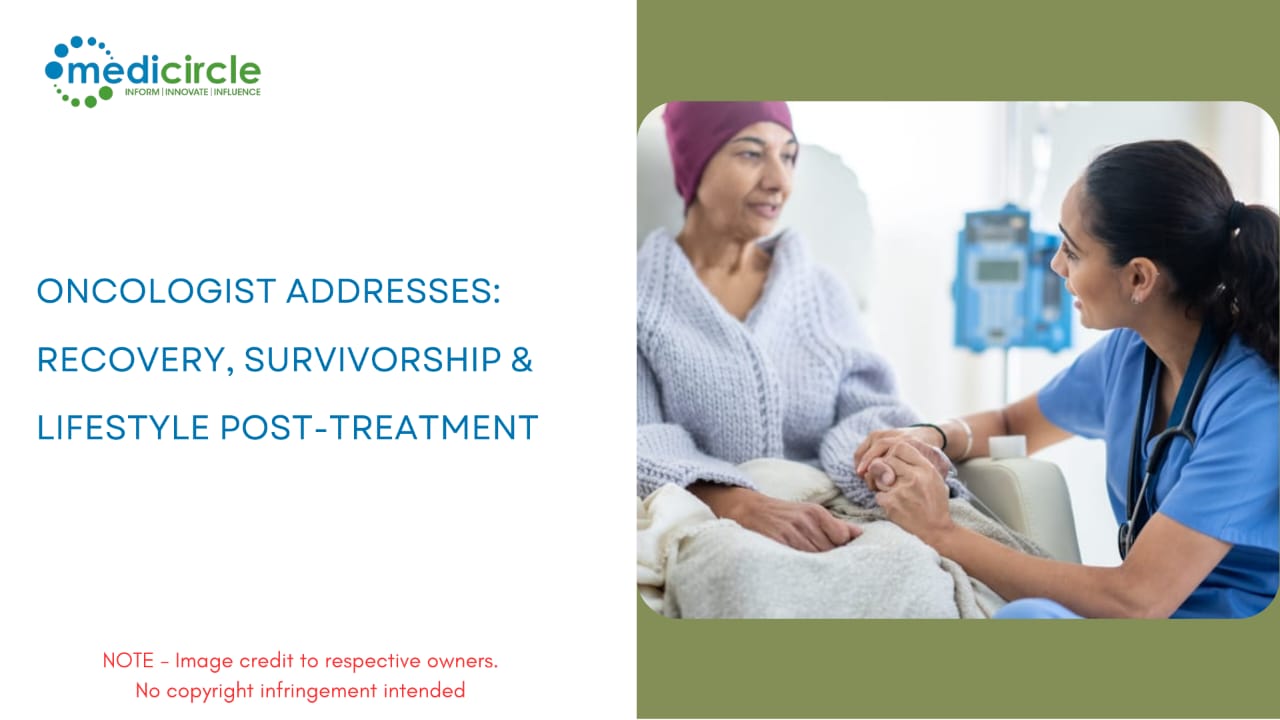
 This article explores the emotional, physical and social aspects of life after cancer treatment, offering practical guidance to help survivors rebuild confidence, restore balance and embrace a meaningful new normal.




Life after cancer is often described as a second beginning. The final bell rings after your last radiation session. The chemotherapy drip is disconnected for what you hope is the final time. A wave of relief washes over you, but it is often followed by a quiet, unsettling question that echoes in the silence. What now?
For countless people across India who have bravely faced cancer, the end of active treatment is not the end of the journey. It is the start of a new, often uncharted chapter. The fierce battle against the disease gives way to a different challenge. Learning to live again. You are eager to return to the life you knew, only to discover that normal has been redefined. This is the world of survivorship.
What is cancer survivorship?
Think of survivorship not as a single moment, but as a continuous path that begins the day you hear the diagnosis and continues for the rest of your life. It is far more than just being declared cancer free. It is a deeply personal journey of physical repair, emotional mending and social rediscovery.
Many who have walked this path speak of a shift in perspective. Priorities get rearranged. What once seemed important might not be anymore. This leads us to a term you will hear often. The new normal.
This idea is not about trying to force your way back to being the exact person you were before cancer. That can be a frustrating and disappointing goal. Instead, it is about gently discovering who you are now. It is about acknowledging that some things, your energy levels, perhaps your body or your daily routines, may have changed permanently and then building a rich, fulfilling life within that new reality.
Many layers of recovery:
Healing after cancer treatment is like a puzzle with several interconnected pieces. Getting your strength back involves more than just your body.
Let us talk about the physical side. Persistent fatigue is a common and very real challenge. It is a tiredness that a good night of sleep does not fix. Then there might be lingering pain or nerve damage that makes simple tasks feel like monumental efforts. Sleep itself can become elusive, disrupted by side effects, medications or a racing mind. These physical reminders can be frustrating, but knowing they are a common part of the journey is the first step toward managing them.
The emotional healing can sometimes take longer than the physical recovery. Many survivors are familiar with scanxiety; that knot in your stomach before every follow up scan. There can also be a broader, lingering fear that the cancer might return. What surprises some people is a feeling of emptiness or sadness once the intense, structured routine of treatment ends, just when everyone expects you to be celebrating.
And then there are the social adjustments. Relationships with friends and family can shift. Some people in your life might not understand why you are not immediately back to your old self. You might find yourself needing to have honest, sometimes difficult conversations about the kind of support you still need.
Post treatment hurdles:
|
The challenge |
What it often feels like |
What can help |
|
Fatigue |
A deep exhaustion that rest does not cure. |
Short, gentle walks, pacing your activities, focusing on nutritious meals. |
|
Fear of the cancer returning |
Worry before check-ups, nervousness about every new ache or pain. |
Talking to a counselor, joining a support group, learning mindfulness techniques. |
|
Sleep problems |
Tossing and turning or waking up feeling unrested. |
Setting a bedtime routine, avoiding caffeine, exploring therapies specifically for sleep. |
|
Shifts in relationships |
Feeling that others do not understand why you are still recovering. |
Openly sharing your experience and setting clear boundaries about your needs. |
Your daily choices:
One of the most empowering lessons for survivors is realizing that their daily habits play a starring role in long term health. Leading oncologists now see lifestyle not as a side note, but as a central part of high quality survivorship care.
Nourishing your body:
The food on your plate is a fundamental building block for recovery. Research is increasingly pointing to the power of anti-inflammatory diets. Think leafy greens, colorful vegetables and drinks like green tea. A study highlighted at a recent international oncology conference found that colorectal cancer survivors who followed such diets saw a dramatically lower risk of the cancer returning.
You do not need a complete dietary overhaul. Small, consistent shifts make a big difference. Experts suggest swapping out just ten percent of processed foods for whole foods, including fruits, vegetables and legumes. For an Indian context, this is a wonderful opportunity to embrace the wisdom of traditional foods. A daily plate that includes dal, sabzi and whole grains like brown rice and millets is a fantastic step.
Power of movement:
One of the most exciting areas of recent research is around exercise. We now have strong evidence that structured exercise is not just safe, it is therapeutic. A major international study found that for colon cancer survivors, a personalized exercise program cut the risk of the cancer coming back by more than a quarter. These benefits were comparable to some additional medications.
The best part. This was not about running marathons. For many participants, it was about regular, supported walking. Current guidelines suggest aiming for around one hundred and fifty minutes of moderate activity each week, mixed with some strength training. If mobility is an issue, gentler options like chair yoga or water aerobics work wonderfully.
Calming mind and spirit:
Cancer is a life altering experience, and the stress does not just vanish when treatment ends. This stress is not just in your head. It can create inflammation in the body, which is not ideal for recovery. Finding ways to manage it is crucial.
What helps? It is different for everyone. For some, it is mind body practices like meditation or yoga. For others, talking to a professional counselor provides the space to process complex emotions. Connecting with a support group of fellow survivors can be incredibly validating, reminding you that you are not alone. For many, their existing spiritual practices provide immense comfort and a sense of meaning.
Personalized survivorship plan:
As you move forward, having a clear roadmap is essential. This is your follow up care plan. It is a personalized document that lays out your schedule for check-ups, what tests you will need and when and how to manage any long term side effects.
Medicine is also becoming more precise. New approaches might include blood tests that can detect tiny traces of cancer DNA long before any symptoms appear, allowing for earlier intervention if needed.
Do not hesitate to be your own advocate. Ask your oncology team direct questions. Who is my main point of contact now? How often will I need scans? What specific symptoms should prompt an immediate phone call? Being involved in this planning helps replace anxiety with a sense of clarity and control.
Moving forward:
Life after cancer is a path with both smooth stretches and rough patches. There will be good days and harder ones. The key is to celebrate every small victory, a little more energy today, a pleasant walk in the park, a moment of genuine peace.
Remember, reaching out for support is a sign of strength, not weakness. It shows you understand that true healing happens within a community. The same courage that carried you through treatment is now your guide in survivorship.
Your journey with cancer has undoubtedly reshaped you. But it does not define you. With each new dawn, you are not just surviving. You are actively learning how to live again, on your own terms, writing a story of resilience and hope.





-23-300x250.png)

.jpeg)







.jpg)
.jpg)
.jpg)
.jpg)
.jpg)
.jpg)
.jpg)
.jpg)
.jpg)

