 Tuesday, October 27, 2026
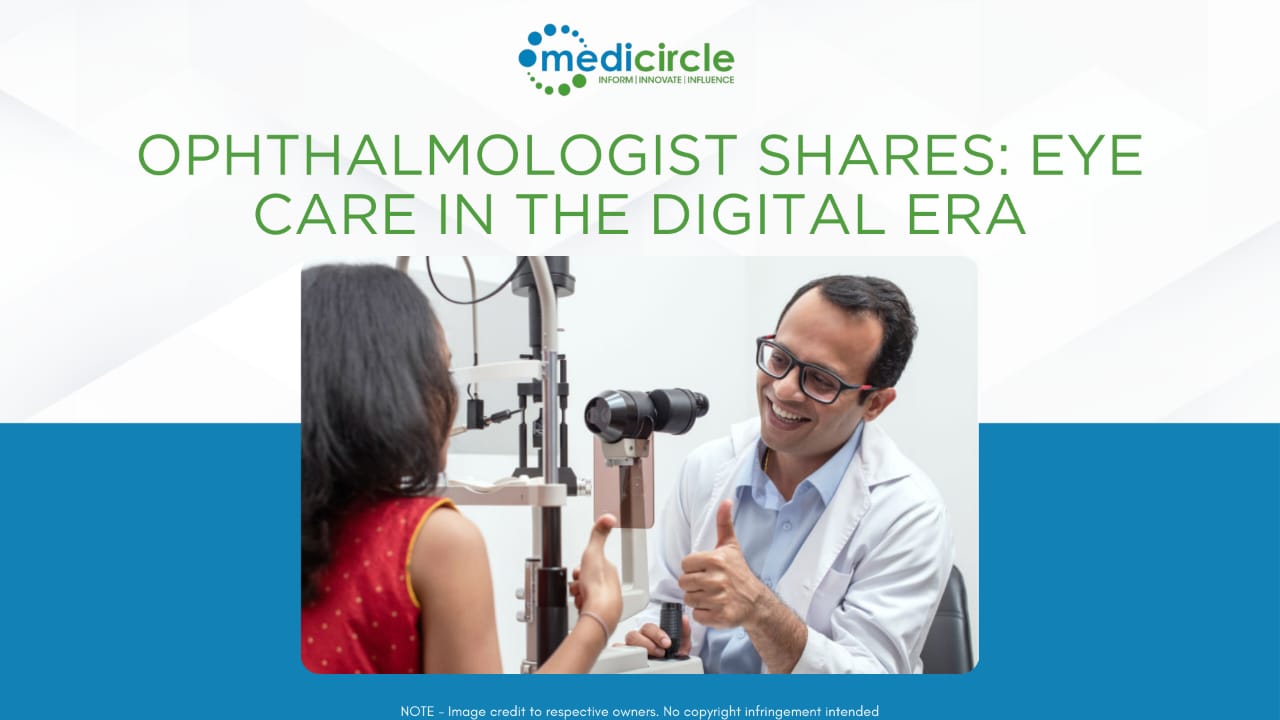
 Prolonged screen use strains modern eyes, but simple habits, regular eye examinations and emerging technologies can protect vision, improve comfort and reveal early signs of systemic disease.




Let us be honest, how many hours have you spent looking at a screen today? For most of us, our digital devices are the first thing we see in the morning and the last thing we put down at night. This constant connection comes at a cost, one often paid by our eyes. That gritty feeling of dryness, the slight blur when you finally look away from your laptop and the heavy tiredness at the end of the day are not minor annoyances. They are clear signals from your eyes asking for help. In today’s world, looking after your vision is no longer just about checking if you need glasses; it has become a vital part of maintaining your daily health and comfort.
The reassuring part is that protecting your eyes does not require drastic changes. It begins with a shift in perspective, seeing your eyes not just as tools for vision, but as delicate, living parts of you that reflect your overall well-being.
The digital strain:
When you focus on a screen for a long time, two main things happen. First, your eyes are exposed to significant amounts of blue light. Second, the muscles that help your eyes focus get locked into a tense, near-vision position. This double effect is the primary cause of digital eye strain. The symptoms, including dryness, headaches and blurred sight are the body’s way of sounding an alarm.
However, the importance of regular eye check-ups today goes beyond fixing this strain. A comprehensive examination does much more than determine your lens power. When an ophthalmologist looks into your eyes, they get a unique view of your blood vessels and nerves. This view can reveal early signs of silent systemic conditions like diabetes or hypertension long before other symptoms appear. Detecting an issue like diabetic retinopathy at its earliest stage through an eye examination can be the key to preventing vision loss.
Everyday habits for healthier eyes:
You do not have to give up your devices to protect your eyesight. Sustainable eye health is built on small, mindful practices woven into your daily routine.
A highly effective method is the 20-20-20 rule. Think of it as a short break for your eye muscles. Set a simple reminder: every 20 minutes, pause and look at something about 20 feet away for at least 20 seconds. This brief reset can significantly reduce fatigue.
Your physical setup also matters. Position your computer monitor so the top of the screen is level with your eyes and keep it about an arm’s length away. Good ambient lighting in the room helps reduce harsh glare from your screen. Also, pay attention to a simple, often forgotten reflex: blinking. We tend to blink much less frequently when staring at screens, which leads to dryness. Make a conscious effort to blink completely and more often. For extra relief, especially in air-conditioned spaces, using preservative-free lubricating eye drops can be very helpful.
Ultimately, the cornerstone of good eye care is a professional examination. An optometrist can assess your specific visual needs, offer tailored advice and fit you with lenses that may include a blue-light filter if necessary. This proactive step is an investment in your long-term sight.
Innovating eye care in India:
Interestingly, the same technology that contributes to eye strain is also pioneering solutions. In India, health technology innovators are making eye care more accessible. For instance, companies like Forus Health have developed portable retinal screening devices. This technology helps bridge a critical gap by enabling initial screenings in remote or underserved communities, supporting the vital mission of preventing avoidable blindness.
On a systemic level, public health programs are integrating smart tools to enhance care. A notable example is Kerala’s Nayanamritham 2.0 initiative. This program uses advanced cameras and artificial intelligence assisted analysis to help healthcare workers quickly screen for serious conditions like diabetic retinopathy and glaucoma. The goal is smart and efficient: technology handles rapid, large-scale screening, allowing highly trained ophthalmologists to dedicate their expertise to diagnosis and complex treatment plans. It is a promising model of machines and humans working together.
The bigger picture:
Our eyes connect us to everything that matters, including our work, our passions and the people we love. In the digital era, protecting this connection means blending simple, timeless wisdom, such as giving your eyes regular rest, with the benefits of modern technology and professional care.
The path forward is clear. Start with one change today: adjust your workstation, set a timer for the 20-20-20 rule or finally make that appointment for an eye examination. When you take these steps, you are doing more than easing temporary discomfort. You are actively preserving your clarity of vision and protecting a precious window into your overall health. After all, the goal is to ensure you continue to see all the beauty and detail of the world around you, clearly and comfortably, for years to come.





-23-300x250.png)

.jpeg)






.jpg)
.jpg)
.jpg)
.jpg)
.jpg)
.jpg)
.jpg)
.jpg)
.jpg)



