Tuesday, October 27, 2026
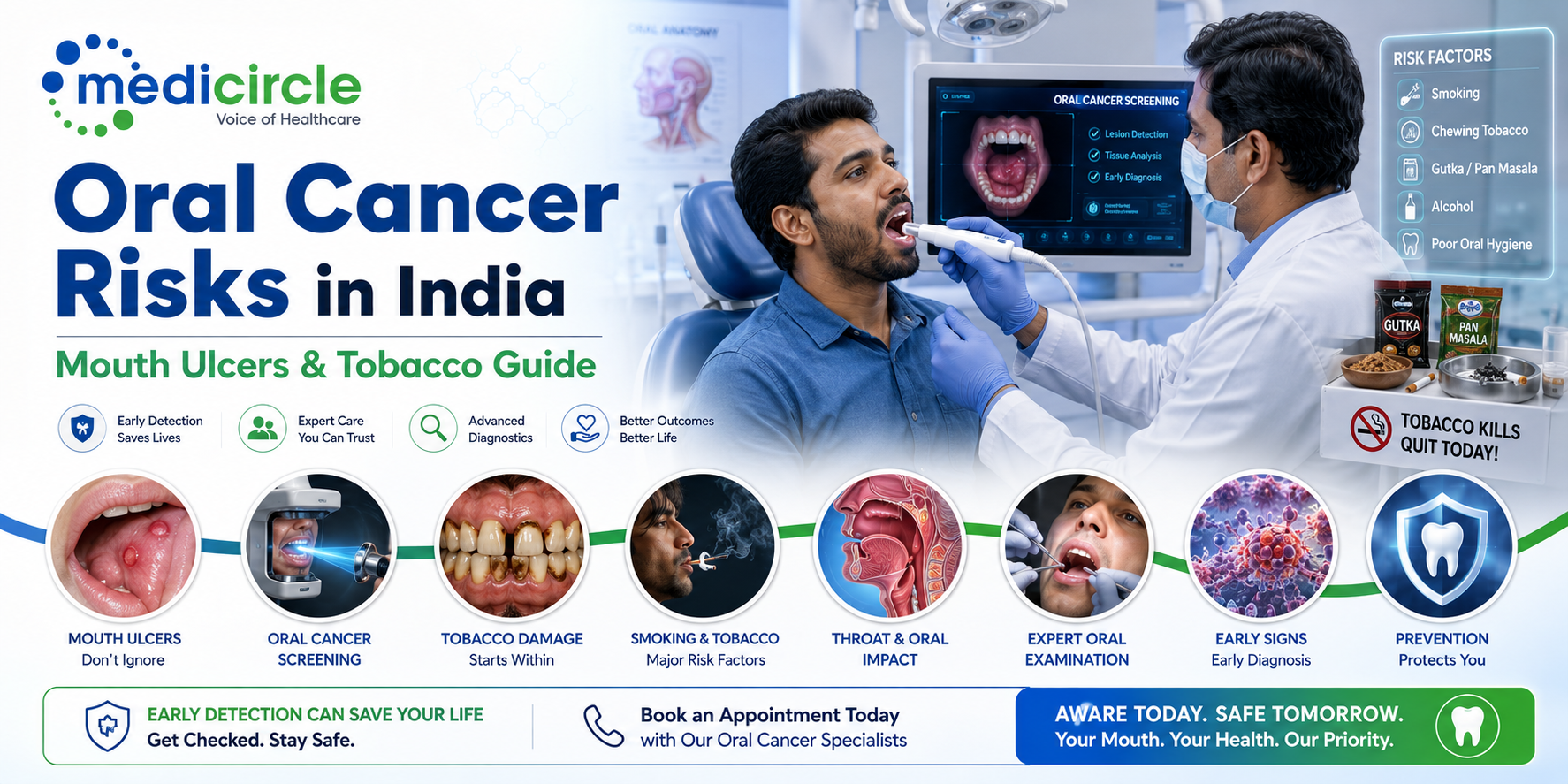
 Oral cancer is a critical health crisis in India fueled by chewable tobacco and gutka. Recognizing early warning signs like non-healing mouth ulcers and seeking timely medical intervention can save lives.




Oral Cancer in India
Oral cancer is rapidly becoming one of the most critical healthcare crises across India, quietly impacting thousands of households from bustling metro cities to remote villages. High-volume search engine optimization terms indicate that public searches for mouth cancer symptoms and oral cancer causes are rising daily. The most heartbreaking aspect of this disease is that it is frequently detected far too late, even though your body drops subtle hints early on. While modern oncological treatments have come a long way, the absolute best defense we have remains simple awareness coupled with early detection. By learning how small, daily habits influence your mouth health, you can take control of your well-being before a minor issue turns into a major medical emergency.
A massive portion of India oral cancer cases stems directly from deeply ingrained lifestyle choices, most notably, the widespread use of chewable, smokeless tobacco. Healthcare experts repeatedly emphasize that paying closer attention to your daily oral hygiene can help identify abnormal cellular changes before they cross the line into malignancy. Recognizing these minor warning signs early gives you the chance to seek medical help when treatments are most effective, fundamentally changing your long-term health trajectory.
The Indian Crisis
India carries a disproportionately high share of the global oral cancer burden, making it one of the leading cancer types diagnosed among Indian men, with a worrying rise in cases among women as well. This severe health crisis is fueled by a unique social fabric where chewing tobacco products is culturally accepted and easily accessible. Data from organizations like the World Health Organization underscores how deeply embedded these habits are, leaving millions of citizens vulnerable to severe tissue damage.
In Western countries, oral cancers are frequently linked to heavy smoking and alcohol consumption, but the situation in India looks entirely different. Here, the patient demographic is strikingly younger. This shift is caused by early exposure to inexpensive, heavily marketed packets of flavored tobacco mixtures and betel nut products. The resulting medical crisis places an incredibly heavy financial and emotional toll on young families, which makes widespread public education an absolute necessity.
Tobacco and Gutka Risks
Popular habits involving gutka, khaini, paan masala, and zarda are the primary drivers behind the high rates of oral cancer in our communities. These mixtures contain a highly destructive combination of slaked lime, crushed betel nut, processed tobacco, and thousands of industrial chemical agents, many of which are formally classified as top-tier carcinogens. When these substances are held against the inner cheek or gums for hours at a time, the delicate oral lining absorbs these harmful toxins directly.
[Infographic: Chronic chemical friction disrupting oral tissue layers]
This constant chemical friction causes ongoing, painful inflammation of your inner cheek, tongue, and gums. Over time, as your body wears out trying to repair this constant localized damage, the cells begin to mutate abnormally. This continuous irritation often leads to a condition called Oral Submucous Fibrosis, where the soft lining of the mouth becomes stiff and rigid. This condition severely restricts your ability to open your mouth fully and serves as a direct stepping stone toward full cancer.
Smokeless Tobacco Myths
A common misconception is that if you do not smoke bidis or cigarettes, your lungs and mouth are completely safe from cancer. In reality, smokeless tobacco products deliver a far more intense, concentrated blast of nicotine and cancer-causing chemicals straight to your oral tissues. Because the product rests directly against the delicate skin inside your mouth for long periods, it allows dangerous toxins to seep deeply into your cellular structures.
Dangerous Commercial Packaging
The bright, attractive packaging, low cost, and easy availability of flavored chewable tobacco products make them highly appealing to teenagers, young adults, and low-income groups. Manufacturers often mix in sweet flavorings and fragrant spices to hide the naturally bitter taste of raw tobacco. This clever formulation makes it incredibly easy to develop a long-term habit, allowing hidden tissue damage to progress rapidly without the user noticing.
Evaluating Mouth Ulcers
Mouth ulcers, often called chhale or canker sores, are incredibly common. They frequently pop up due to a stressful week, an accidental bite, nutritional gaps, or a sharp tooth edge. A standard, harmless ulcer typically heals entirely on its own within ten to fourteen days without leaving scars or needing intensive treatment. However, if you have a mouth ulcer that refuses to clear up after two full weeks, it is time to have a specialist look at it.
[Infographic: Routine self-examination checklist for oral health]
A stubborn, non-healing ulcer is one of the clearest early warnings of oral squamous cell carcinoma. These dangerous sores usually start as tiny, completely painless spots, causing many people to disregard them when they are easiest to cure. As the condition worsens, the ulcer can develop hard, raised edges, bleed unexpectedly when touched, or cause a sharp, burning pain whenever you eat spicy, salty, or hot food.
Red and White Patches
Beyond open sores, you should always look out for persistent white patches or red patches on your tongue, gums, or inner cheeks. These specific signs are highly targeted keywords in modern health searches, often researched under leukoplakia treatment or erythroplakia diagnosis. Doctors view these spots as potentially precancerous changes. While they do not automatically mean you have cancer, they indicate a highly unstable environment in your mouth that requires careful, professional monitoring.
Other Critical Symptoms
Keep an eye out for other warning signs like teeth that suddenly become loose for no apparent reason, difficulty swallowing or chewing your food, a strange numbness inside your mouth, or unexplained swelling around your jaw line. Experiencing a constant sore throat or a noticeable change in your voice that lingers for weeks is also a strong indicator that you should visit an ear, nose, and throat specialist for a proper examination.
Prevention and Screening
The journey to preventing oral cancer starts with the personal choice to remove toxic substances from your daily life. For those currently struggling with a tobacco habit, utilizing medical cessation programs or counseling can rapidly lower your long-term health risks. Your oral tissues have an incredible ability to heal themselves, provided you stop exposing them to destructive chemical elements.
Spending just two minutes once a month checking your mouth in front of a mirror is a highly effective preventive habit. Stand in a well-lit room, wash your hands, and use your fingers to check all around the inside of your mouth. Be sure to look at the roof of your mouth, under your tongue, along the sides of your tongue, and deep inside your cheeks for any unusual lumps, rough textures, or color changes. Pairing this simple habit with a professional dental checkup every six months ensures that any hidden issues are caught immediately.
Common Patient Questions
Can a sharp or chipped tooth cause oral cancer if it is not fixed?
A sharp, broken tooth can cause ongoing, repetitive physical trauma to the side of your tongue or cheek. While the mechanical rub itself is not inherently cancerous, the constant injury forces your cells to divide and repair themselves endlessly. This rapid turnaround increases the chance of a dangerous genetic mutation over time, so it is highly recommended to have a dentist smooth down any rough edges.
Does discovering a white patch mean I definitely have oral cancer?
No, finding a white spot does not mean you automatically have cancer. Common issues like oral thrush or simple friction from a rough tooth can create white marks. However, if the patch cannot be gently wiped away and stays there for longer than two weeks, you must get it medically evaluated to rule out precancerous changes like leukoplakia.
How does drinking alcohol affect my overall oral cancer risk?
Alcohol acts as a drying agent and a solvent, which thins out the protective layer inside your mouth and makes it much easier for external toxins to break through. If you combine alcohol consumption with chewing tobacco, the damaging effects multiply significantly, creating a much higher risk environment for your oral cells.
Is early-stage oral cancer entirely treatable?
Yes, when oral cancer is caught early, the cure rates are exceptionally high. Early medical intervention usually involves minor, localized surgery or focused therapy. This localized approach minimizes any long-term changes to your face or jaw structure, allows you to maintain your normal speech and swallowing functions, and dramatically improves your long-term survival odds.
Protecting Your Health
Defeating the threat of oral cancer across India requires a proactive blend of healthier lifestyle choices, breaking dangerous habits, and seeking timely medical advice. Small, seemingly minor issues like an ongoing mouth sore or a change in the texture of your cheeks should never be ignored or masked with temporary over-the-counter pain gels. Consulting an experienced medical professional guarantees an accurate assessment and a clear, safe plan of action.
Protecting your future means relying on verified medical facts and turning to real specialists the moment something feels off. To learn more about cancer prevention and access trusted global health data, you can read through Wikipedia comprehensive summary on oral cancer or explore the public awareness guidelines provided by the World Health Organization. Investing a little time into your oral care today is the most definitive step you can take toward a long, vibrant, and healthy life.





-23-300x250.png)

.jpeg)






.jpg)
.jpg)
.jpg)
.jpg)
.jpg)
.jpg)
.jpg)
.jpg)
.jpg)