Tuesday, October 27, 2026
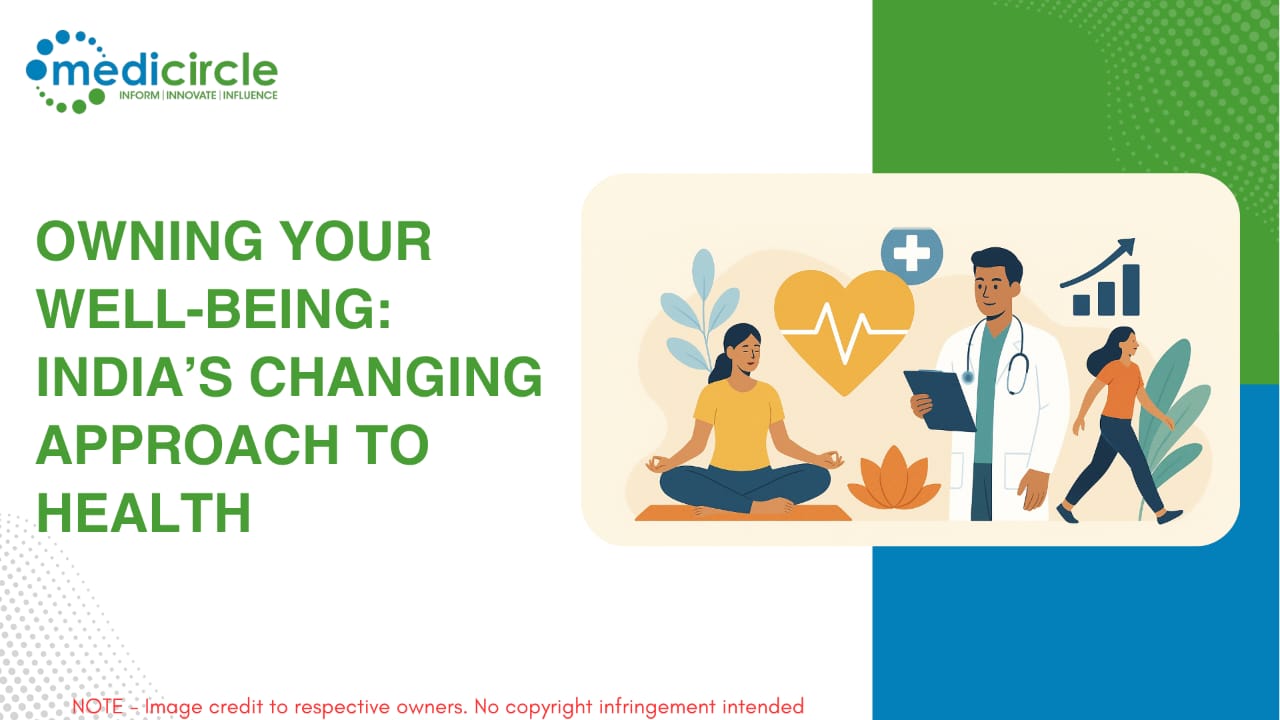
 India is witnessing a growing shift from reactive to proactive healthcare. People are taking control of their well-being through awareness, technology and preventive choices that foster long term wellness.




There is a quiet revolution happening in India's relationship with health. For generations, the approach was straightforward: you feel unwell, you visit a doctor and you follow a treatment. It was a cycle built on reaction. But today, a new question is taking root in the minds of millions: “Why wait to get sick in the first place?”
This is not just a fleeting thought. We are seeing a tangible move towards a more proactive mindset. People are no longer passive patients; they are active participants in their health. They are digging for information, having deeper conversations with their doctors and making daily choices that build a foundation of wellness. This change in attitude is perhaps the most significant health development of our time.
Why this shift matters:
A few key factors are driving this shift, making it more than just a trend.
Modern strain:
Our daily lives have become a health challenge. Long hours seated at a desk, the easy temptation of processed foods and the constant pressure to perform create a perfect storm for lifestyle diseases. Conditions like diabetes, heart disease and hypertension are no longer rare; they are common realities in many families. The financial and emotional cost of managing these conditions has made people realize that prevention is not just wiser, it is often more affordable.
Smart health:
Technology has stepped in as a powerful enabler. It is fascinating to see how younger Indians are turning to their smartphones for health answers. They are researching symptoms, understanding conditions and reading about preventive measures online. This access to knowledge is empowering. It allows someone in a smaller city to have the same health information as someone in a major metro, democratizing wellness in an unprecedented way.
Your personal playbook:
Knowing the “why” is important, but the “how” is where real change happens. Here are some practical, down to earth steps you can take.
Inherited clues:
One of the most powerful diagnostic tools is free and available to everyone: your family’s health history. Take the time to talk to your parents, grandparents and relatives. Do heart conditions run in the family? Is there a history of diabetes or cancer? This knowledge is not meant to scare you. It arms you and your doctor with clues about what to watch for, turning fear into preparedness.
Regular is better:
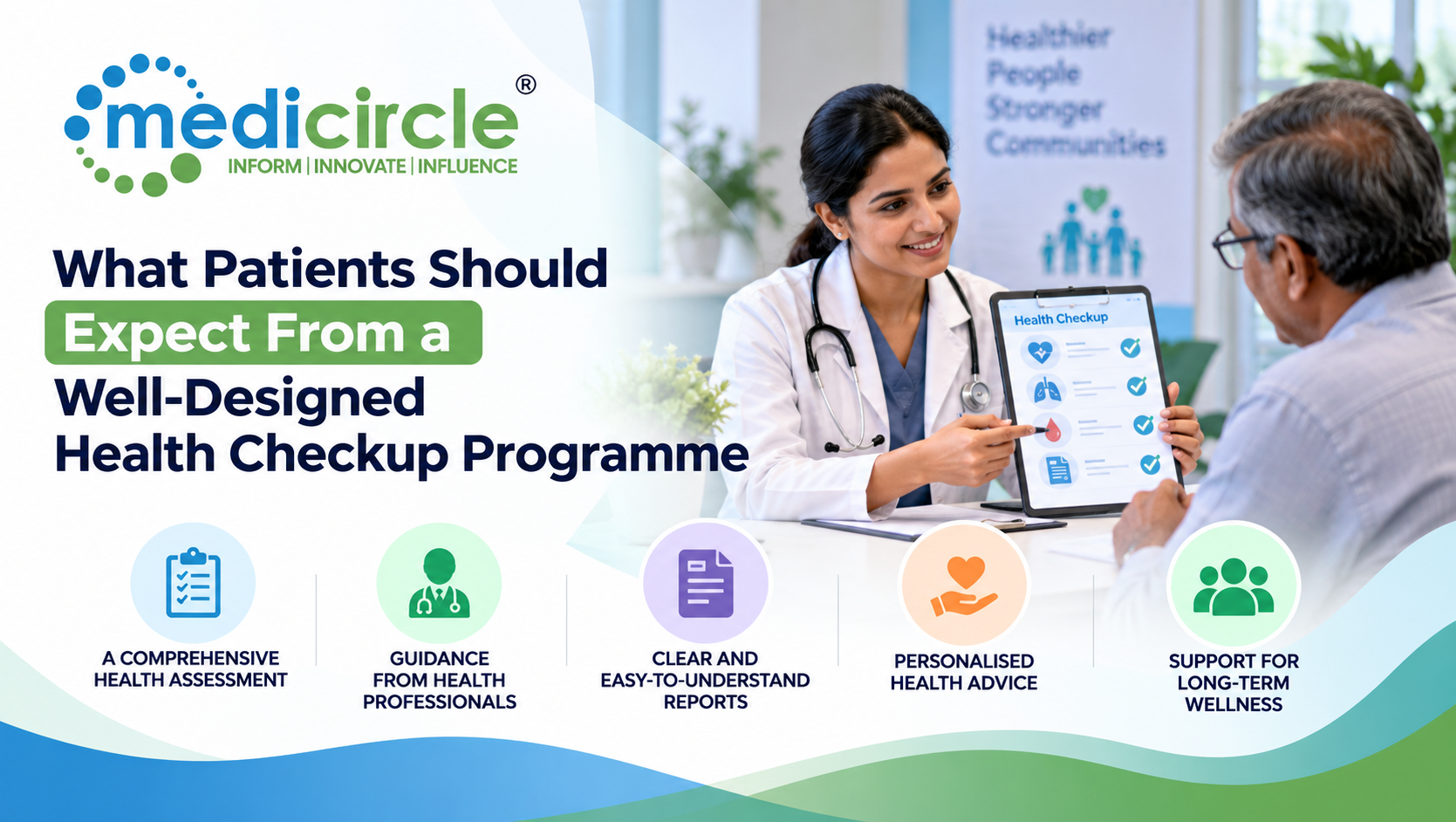
Many of us dread the annual health check-up, often viewing it as a search for bad news. It is time to flip that script. Think of these screenings as a routine service for your body, much like you would for a car. Catching a potential issue early is always better than dealing with a full-blown problem later.
Consider these basic check-ups your starting point:
- Keep an eye on your blood pressure.
- Monitor your blood sugar levels, especially if it runs in the family.
- Get your cholesterol checked periodically.
- Follow recommended schedules for cancer screenings as you age.
This simple habit of regular check-ups is a profound act of self-care.
Everyday wellness:
The goal is not a drastic, short lived diet or a punishing gym routine you cannot sustain. The real victory is in small, consistent habits. It is about choosing a home cooked meal over takeaway more often. It is taking a 30 minute walk, not necessarily running a marathon. It is prioritizing those precious hours of sleep and finding a few quiet moments to de-stress, perhaps through meditation or deep breathing. These small threads woven together create a strong fabric of health.
Digital ally:
Let technology work for you. A simple step counter on your phone can motivate you to move more. Apps can help you track your water intake or remind you to take a break from your screen. Telemedicine consultations make it easier to get quick medical advice without disrupting your entire day. Use these tools as supportive guides, not as masters.
A healthier India:
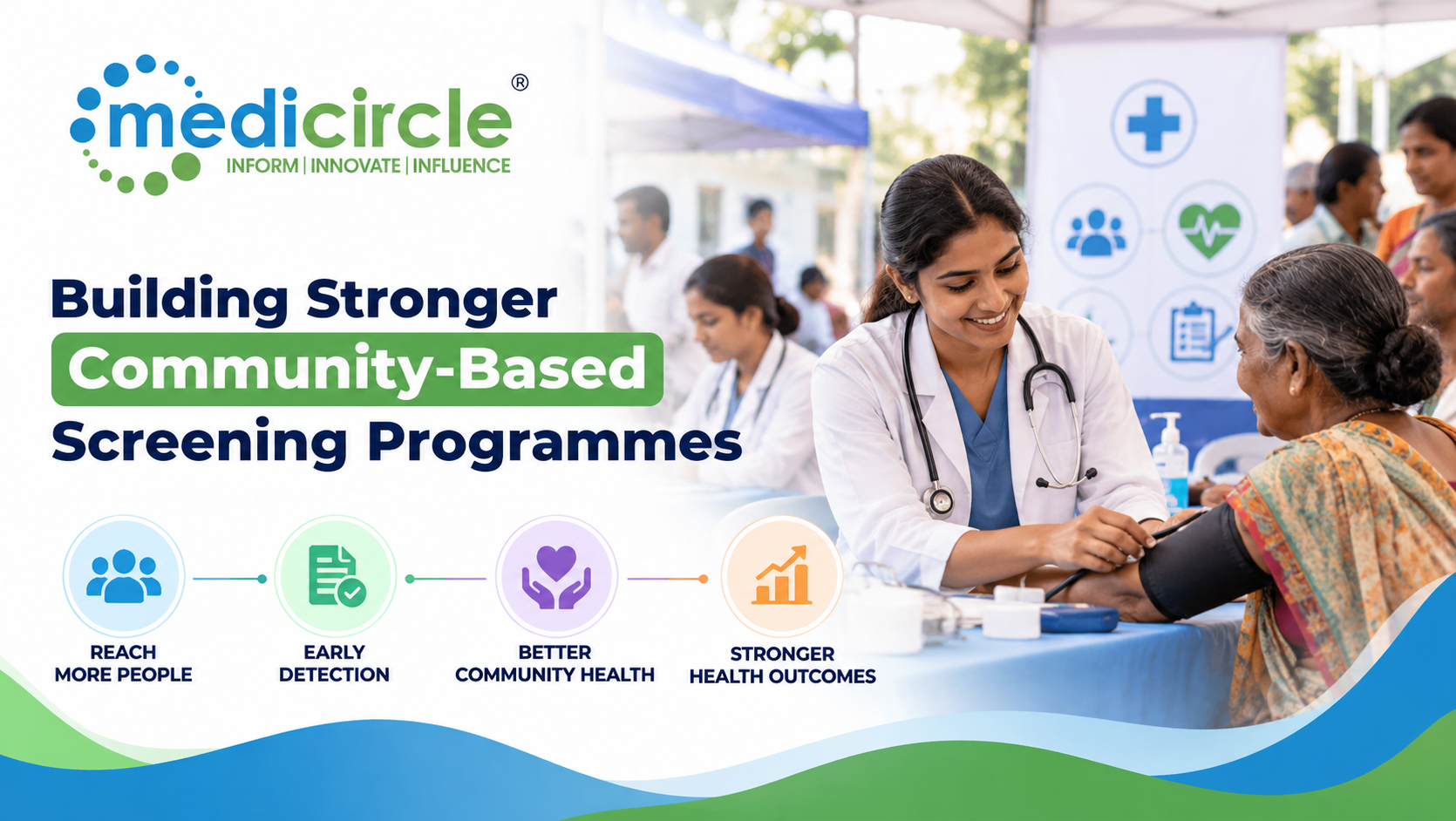
This movement from “sick care” to “well care” is being supported on a national scale. Government initiatives are focusing on making preventive healthcare more accessible to all. Even companies are expanding their wellness programs beyond gym memberships, offering nutritional advice and mental health support. It is becoming clear that a healthy population is the bedrock of a thriving society.
The final word:
Your health story is still being written. It will not be a perfect story, there will be ups and downs. But the power to shape its direction lies largely in your hands. It is about making more good choices than bad, listening to the whispers of your body and taking that one small step today.
What will your first step be? Maybe it is scheduling that check-up you have been postponing. Perhaps it is a decision to take the stairs tomorrow morning. Whatever it is, start there. Your future self will look back and be grateful you did.





-23-300x250.png)

.jpeg)

.jpg)
.jpg)
.jpg)
.jpg)
.jpg)
.jpg)
.jpg)
.jpg)
.jpg)