 Thursday, October 08, 2026
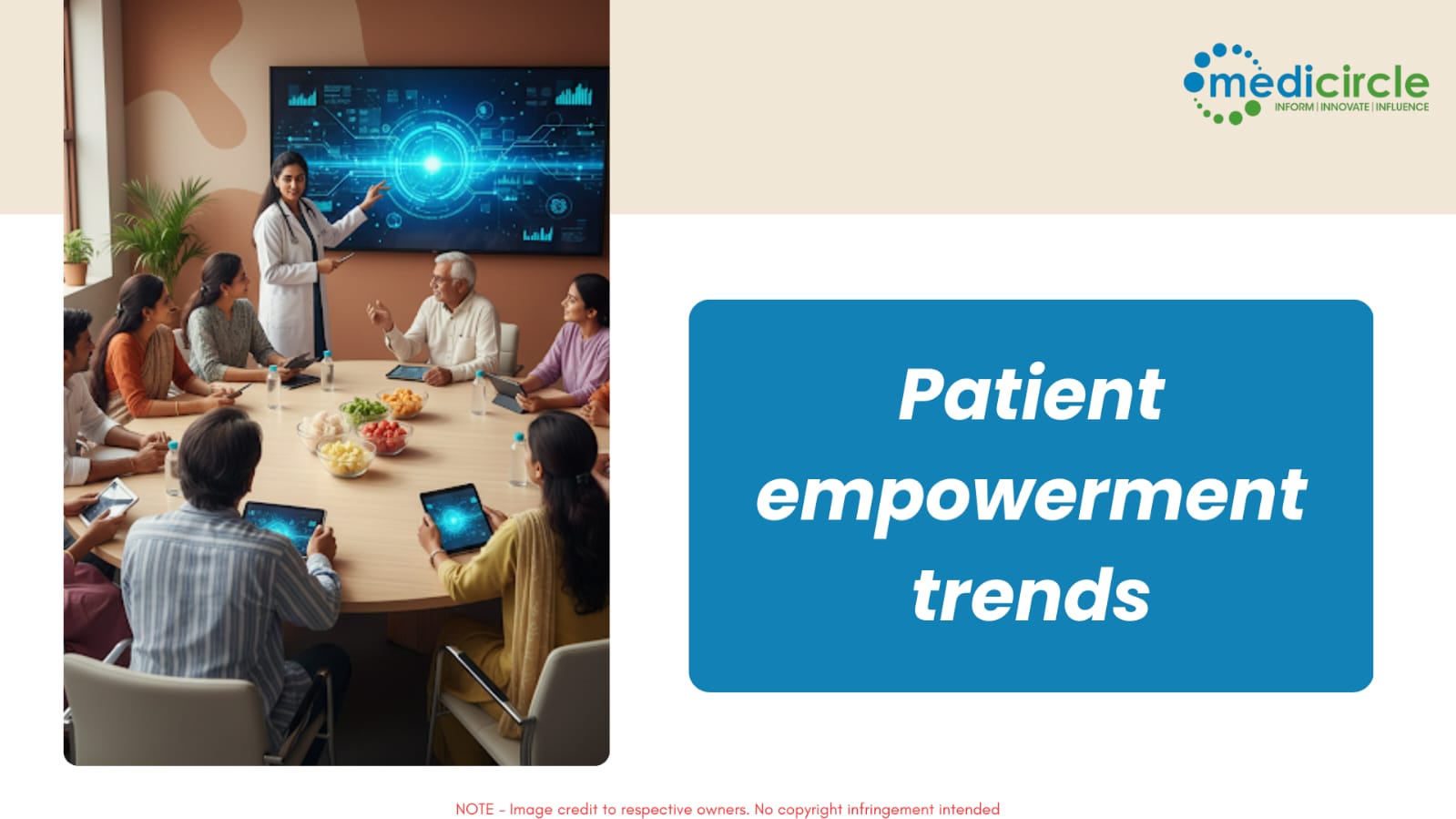
 Patient empowerment in India is transforming healthcare through digital access, shared decision making, community support and preventive technologies, creating a more collaborative, transparent and patient centered care system.




Remember the last time you visited a doctor? For many of us it used to be a simple one sided affair. You described your symptoms the doctor gave a diagnosis and a prescription and you followed instructions. That was the whole story. But something interesting is happening now. Across India a shift is taking place in clinics and hospitals. Patients are speaking up asking questions and becoming partners in their own care. This is not just a trend; it is a new way of thinking about health. It is called patient empowerment and it is changing everything.
The First Step:
What is driving this change? Look no further than your smartphone. With internet access now common health information is not locked away in medical libraries. It is in our hands. When a strange symptom appears or a new diagnosis is given the first instinct for many is to search. They read about conditions look at treatment options and note down questions. This curiosity is powerful. It means people walk into doctor offices today better prepared ready for a discussion not just a directive. Sure you have to be careful about where you read but that very act of looking is a sign of an engaged patient. It is the spark that starts the journey.
Taking Charge:
Knowledge is one thing but what about your actual medical history? True empowerment means owning that story. Think about it. Your lab reports your past prescriptions your doctor notes these pieces form the narrative of your health. Now through digital health records and patient apps this narrative is becoming accessible. You can see your test results as soon as they are ready share them instantly with a specialist in another city and track your own progress over time. It puts you in the driver seat. Of course with this access comes the need for strong data privacy a crucial conversation India is actively having. But the core idea remains your health data belongs to you.
A Two Way Conversation:
This leads us to the most important change what happens in the consultation room. Armed with information and their own health data patients are naturally becoming collaborators. The classic doctor knows best approach is gracefully evolving into let us decide together. This is shared decision making. Here the doctor explains the why behind a suggestion the pros the cons the alternatives. The patient shares what matters to them their work schedule their family responsibilities their personal worries. Together they craft a plan that fits not just the medical textbook but the patient actual life. This collaboration builds trust and makes it more likely that the treatment will be followed consistently.
You Are Not Alone:
No one should have to navigate health challenges in isolation. Empowerment also thrives in community. Today people find immense strength in connecting with others online who understand their specific condition whether it is diabetes arthritis or a rare disease. Sharing experiences and tips provides emotional support and practical advice that is incredibly valuable.
Furthermore technology is helping us look ahead. Wearable devices that track our daily steps sleep and even heart rate are becoming common. They turn prevention into a daily habit. Monitoring your well-being at home helps you understand your body patterns and spot potential issues early. It is a quiet personal form of empowerment that puts wellness at the center of your daily life.
A Healthier Partnership Awaits:
The path forward has bumps. We must ensure reliable information reaches everyone and bridge the digital gap between cities and villages. But the direction is undeniable. Healthcare in India is becoming more transparent more personal and more of a dialogue.
This new era promises a system where you are seen not just as a case but as a person. It builds a healthier India from the ground up powered by informed individuals who are active participants in their own well-being. The future of healthcare is a conversation. And your voice is essential. It is time to be heard.






.jpeg)








.jpg)
.jpg)
.jpg)
.jpg)
.jpg)
.jpg)


.jpg)
.jpg)
.jpg)