 Wednesday, October 28, 2026
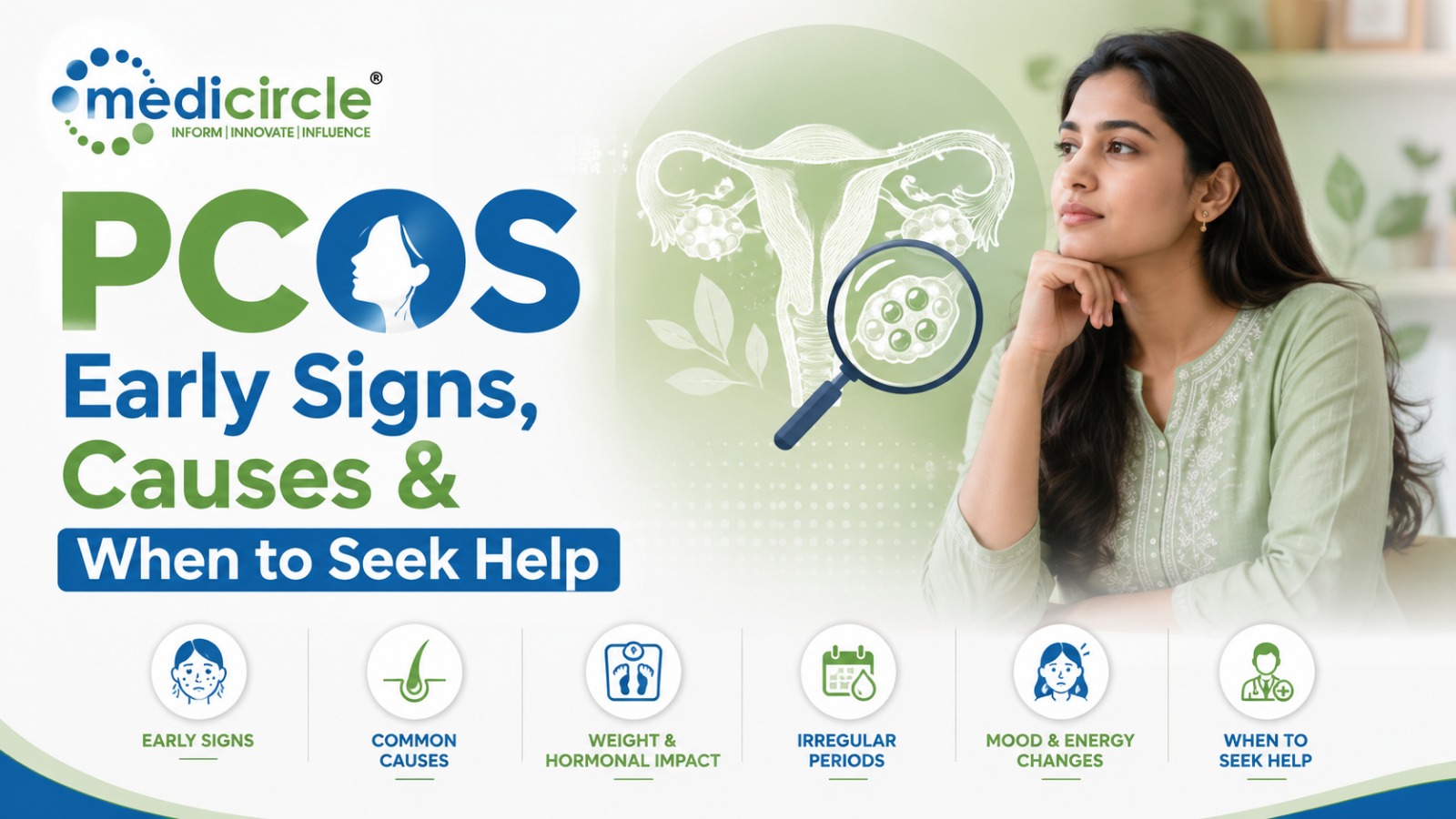
 Understanding PCOS early involves recognizing irregular menstruation symptoms, hormonal imbalance patterns, and lifestyle influences before symptoms become more disruptive. Awareness around delayed periods symptoms, metabolic health, and hormonal regulation supports better long-term understanding and informed health decisions.





PCOS is often discussed as a hormonal condition, but for many people, it begins with subtle body changes that are easy to overlook. A missed cycle, unexpected fatigue, or gradual skin and weight changes may not seem connected at first. Over time, however, these patterns can become more noticeable. Understanding the symptoms of missing periods, hormonal imbalance, and lifestyle influences early can help people make more informed decisions about their health before symptoms begin affecting daily life more deeply.
Why PCOS Often Goes Unnoticed in the Beginning
One of the biggest reasons PCOS is difficult to identify early is that its symptoms rarely appear all at once. For some people, the first sign may be irregular periods symptoms, while others notice skin issues, changes in hair growth, or sudden shifts in energy levels. These symptoms often develop gradually, which makes them easier to dismiss as stress, lifestyle changes, or temporary hormonal fluctuations.
This becomes especially common during teenage years and early adulthood. Irregular cycles are often normalized during puberty, and many people are told that hormonal changes are simply part of growing up. While occasional cycle variation is common, repeated irregular menstruation symptoms over several months can indicate a deeper hormonal imbalance.
Lifestyle also plays a role in delaying recognition. Modern routines involving irregular sleep, long screen hours, high stress, processed foods, and limited movement can mask early PCOS symptoms. In students and working professionals, exhaustion and skipped cycles may be attributed to workload rather than hormonal health.
The challenge is that PCOS does not follow a single pattern. Some people experience visible symptoms early, while others mainly deal with internal metabolic or hormonal changes for years before receiving answers. This variation is one reason awareness matters so much.
Understanding the Hormonal Patterns Behind PCOS
PCOS is closely connected to how hormones communicate within the body. Rather than a single hormonal issue, it involves an imbalance between several systems that regulate ovulation, metabolism, and reproductive health.
In many cases, ovulation does not occur regularly. This directly contributes to delayed periods symptoms and inconsistent menstrual cycles. When ovulation becomes irregular, hormone levels fluctuate differently than expected, affecting everything from skin health to mood and energy levels.
Insulin resistance is another important factor. Insulin helps the body manage blood sugar, but when the body becomes less responsive to insulin, hormone production can shift. This often influences weight changes, cravings, fatigue, and inflammation. Interestingly, insulin resistance can affect both people with visible weight gain and those with lean body types.
Stress hormones may also interact with PCOS symptoms. Long-term stress affects cortisol levels, sleep quality, and appetite regulation. Over time, these changes may worsen hormonal imbalance and contribute to more noticeable symptoms.
How hormonal imbalance may appear in daily life- Cycles become unpredictable over time instead of suddenly stopping completely
Many people first notice small changes such as longer gaps between periods, lighter flow, or shifting cycle timing. These patterns may slowly develop into more recognizable delayed menses symptoms or missed cycles. - Energy levels and cravings may change alongside menstrual symptoms
Hormonal imbalance often affects metabolism and appetite. Some people experience increased fatigue, sugar cravings, or energy crashes without immediately connecting them to reproductive health. - Skin and hair changes may appear before reproductive concerns
Acne, increased facial hair growth, or scalp hair thinning can sometimes develop before obvious menstrual irregularities appear. These signs are commonly linked to hormone fluctuations associated with PCOS.
How Menstrual Changes Reflect Deeper Hormonal Imbalance
Menstrual changes are one of the clearest indicators that hormone regulation may be shifting. However, the body rarely communicates these changes in a perfectly consistent way.
Some individuals experience symptoms of missing periods, while others notice cycles becoming increasingly far apart. There may also be abnormal period bleeding, unusually light periods, or heavier cycles following long gaps. These patterns reflect how ovulation becomes inconsistent when hormones are not functioning in balance.
An important point often overlooked is that irregular cycles do not always mean the same thing for every person. Athletes, people under extreme stress, individuals with nutritional deficiencies, and those experiencing thyroid-related issues may also experience similar symptoms. This overlap is why PCOS can sometimes take years to identify accurately.
The timing of symptoms also matters. Missing periods occasionally during stressful phases may not always indicate a long-term condition. However, recurring abnormal period symptoms combined with acne, fatigue, or weight fluctuations often suggest that hormone regulation deserves closer attention.
Some individuals also become confused by similarities between irregular periods and menopause, especially during their late 30s or early 40s. Hormonal fluctuations from PCOS and perimenopause can sometimes overlap, creating uncertainty around symptom patterns.
The Lifestyle Connection That Many People Underestimate
PCOS is not caused solely by lifestyle, but daily habits can strongly influence how symptoms appear and progress. Sleep patterns, stress levels, movement, food quality, and routine stability all affect hormonal communication.
Modern lifestyles often create conditions where hormone imbalance becomes easier to trigger. Irregular eating schedules, excessive caffeine intake, poor sleep, and constant digital stimulation may increase stress hormones and affect metabolic function.
For students and professionals working under pressure, this connection becomes especially important. Long work hours and unpredictable routines can intensify irregular menstruation symptoms and make recovery more difficult.
Nutrition patterns also matter, not because there is one “perfect diet,” but because the body responds differently to processed foods, sugar spikes, and inconsistent meal timing. Some people notice worsening fatigue or cycle irregularity during periods of poor routine consistency.
Physical activity plays a balancing role as well. Excessive exercise may worsen hormonal stress for some individuals, while complete inactivity may increase metabolic imbalance. The body often responds best to sustainable routines rather than extreme approaches.
Daily patterns that may influence hormonal balance- Poor sleep quality may affect reproductive hormone regulation
Inconsistent sleep affects cortisol, insulin sensitivity, and recovery. Over time, this may contribute to worsening delayed periods symptoms and energy imbalance. - High stress environments may intensify cycle irregularities
Emotional and mental stress can influence ovulation patterns. People under long-term stress often notice increasing unpredictability in menstrual timing. - Highly restrictive health trends may create additional imbalance
Extreme dieting or overtraining sometimes disrupts hormone stability further instead of improving symptoms. Sustainable habits tend to support better long-term regulation.
Why PCOS Looks Different Across Individuals
One reason PCOS creates confusion is because no two people experience it exactly the same way. Some individuals mainly struggle with cycle irregularity, while others experience metabolic symptoms, fertility concerns, or emotional changes.
A teenager may first notice acne and irregular periods symptoms, while an adult professional may focus more on fatigue, weight changes, or stress-related cycle disruption. Another person may have minimal visible symptoms but still experience insulin-related hormonal imbalance internally.
Body type differences also matter. PCOS is often associated with weight gain, but many individuals with lean body types also experience significant hormonal imbalance. Because of this, symptoms are sometimes overlooked if they do not match common stereotypes.
Cultural expectations and online misinformation can further complicate understanding. Many people compare themselves to simplified symptom lists online and assume they either “fully match” or “do not have” PCOS. In reality, symptom presentation exists across a broad spectrum.
When It May Be Time to Seek Professional Support
Occasional hormonal fluctuations are normal, but repeated or worsening symptoms deserve attention. Persistent symptoms of missing periods, recurring abnormal period bleeding, or severe hormonal changes may indicate that the body needs additional support.
People often delay seeking help because symptoms develop gradually. Many adapt to fatigue, irregular cycles, or skin changes without realizing how much these issues are affecting their quality of life.
Seeking support early does not mean something is seriously wrong. In many cases, earlier awareness simply allows people to understand their body patterns better and make more informed choices before symptoms become more disruptive.
It is also important to remember that PCOS overlaps with other conditions. Thyroid imbalance, nutritional deficiencies, stress-related hormonal disruption, and reproductive health conditions may produce similar symptoms. Proper evaluation helps create clearer understanding rather than assumptions.
The Emotional Side of PCOS That Is Rarely Discussed
PCOS affects more than physical symptoms. Many individuals experience frustration, confusion, or anxiety when symptoms seem unpredictable or difficult to explain.
The emotional impact becomes stronger when people feel dismissed or misunderstood. Being told that symptoms are “normal” despite ongoing discomfort can delay confidence in seeking answers.
Social pressure also plays a role. Online wellness culture often promotes unrealistic expectations around body image, productivity, and hormonal “quick fixes.” This creates additional pressure for individuals already dealing with hormonal uncertainty.
Building awareness around PCOS means understanding both physical and emotional experiences together. Supportive routines, realistic expectations, and informed guidance often help people navigate symptoms more calmly and sustainably.
Conclusion
PCOS is not always obvious in the beginning, which is why understanding early hormonal changes matters. Symptoms such as symptoms of missing periods, irregular periods symptoms, and recurring hormonal shifts often reflect deeper patterns developing over time.
Awareness does not mean fear. It means recognizing how lifestyle, hormones, stress, and metabolism interact so that individuals can make informed decisions earlier. With better understanding and consistent support, people are more likely to manage symptoms in ways that feel sustainable, realistic, and supportive of long-term well-being.
Frequently Asked Questions (FAQs)
1. Can PCOS start with only irregular periods symptoms?Yes, many people first notice irregular periods symptoms before any other visible changes appear. Hormonal imbalance often begins gradually, which is why early cycle changes are sometimes overlooked. Understanding these shifts helps in recognizing broader lifestyle and hormonal patterns linked to PCOS.
2. Why do symptoms of missing periods happen in PCOS?Symptoms of missing periods usually occur when ovulation becomes irregular due to hormonal imbalance. The body may not release eggs consistently, which affects cycle timing. This is closely connected to metabolic health and hormone regulation in PCOS.
3. Are delayed periods symptoms always related to PCOS?No, delayed periods symptoms can also happen due to stress, sleep changes, nutritional imbalance, or thyroid-related conditions. However, when delays become frequent alongside acne, fatigue, or weight fluctuations, they may reflect deeper hormonal health patterns that deserve attention.
4. How does stress affect irregular menstruation symptoms?Stress influences cortisol levels, which can indirectly affect reproductive hormones and ovulation. Over time, this may worsen irregular menstruation symptoms and increase fatigue or mood changes. The connection between stress management and hormonal balance is often underestimated.
5. Can PCOS symptoms appear differently in teenagers and adults?Yes, PCOS can look very different depending on age and lifestyle. Teenagers may experience acne and abnormal period symptoms, while adults may notice fatigue, insulin resistance, or long-term cycle irregularity. These differences reflect how metabolism and hormone response change over time.
6. Is there a connection between PCOS and weight fluctuations?PCOS can affect insulin sensitivity, appetite regulation, and energy balance, which may contribute to weight changes for some individuals. However, not everyone with PCOS experiences weight gain. The condition affects people differently depending on their metabolic patterns and lifestyle habits.
7. Why do some people mistake PCOS for irregular periods and menopause?Hormonal fluctuations from PCOS may sometimes resemble irregular periods and menopause, especially during the late 30s or early 40s. Symptoms like cycle changes and mood shifts can overlap, which is why understanding broader reproductive hormone changes becomes important.
8. Can lifestyle habits influence delayed menses symptoms?Yes, poor sleep, irregular eating patterns, high stress, and inactivity can worsen delayed menses symptoms. These habits affect insulin response and hormone communication over time. Consistent lifestyle adjustments and healthy routines often support better hormonal stability.
9. How long should someone monitor abnormal period bleeding before seeking help?Occasional changes may happen naturally, but repeated abnormal period bleeding over several months may indicate underlying hormonal imbalance. Tracking cycle patterns helps identify whether symptoms are temporary or connected to broader reproductive health changes.
10. Why is early awareness of PCOS important even with mild symptoms?Early awareness helps people understand how symptoms evolve before they begin affecting daily life more significantly. Mild signs like delayed periods symptoms or recurring fatigue may reflect deeper hormonal shifts. Understanding these patterns supports better long-term hormonal and metabolic health awareness.





-23-300x250.png)

.jpeg)




.jpg)
.jpg)
.jpg)
.jpg)
.jpg)
.jpg)
.jpg)
.jpg)
.jpg)

