Tuesday, October 27, 2026
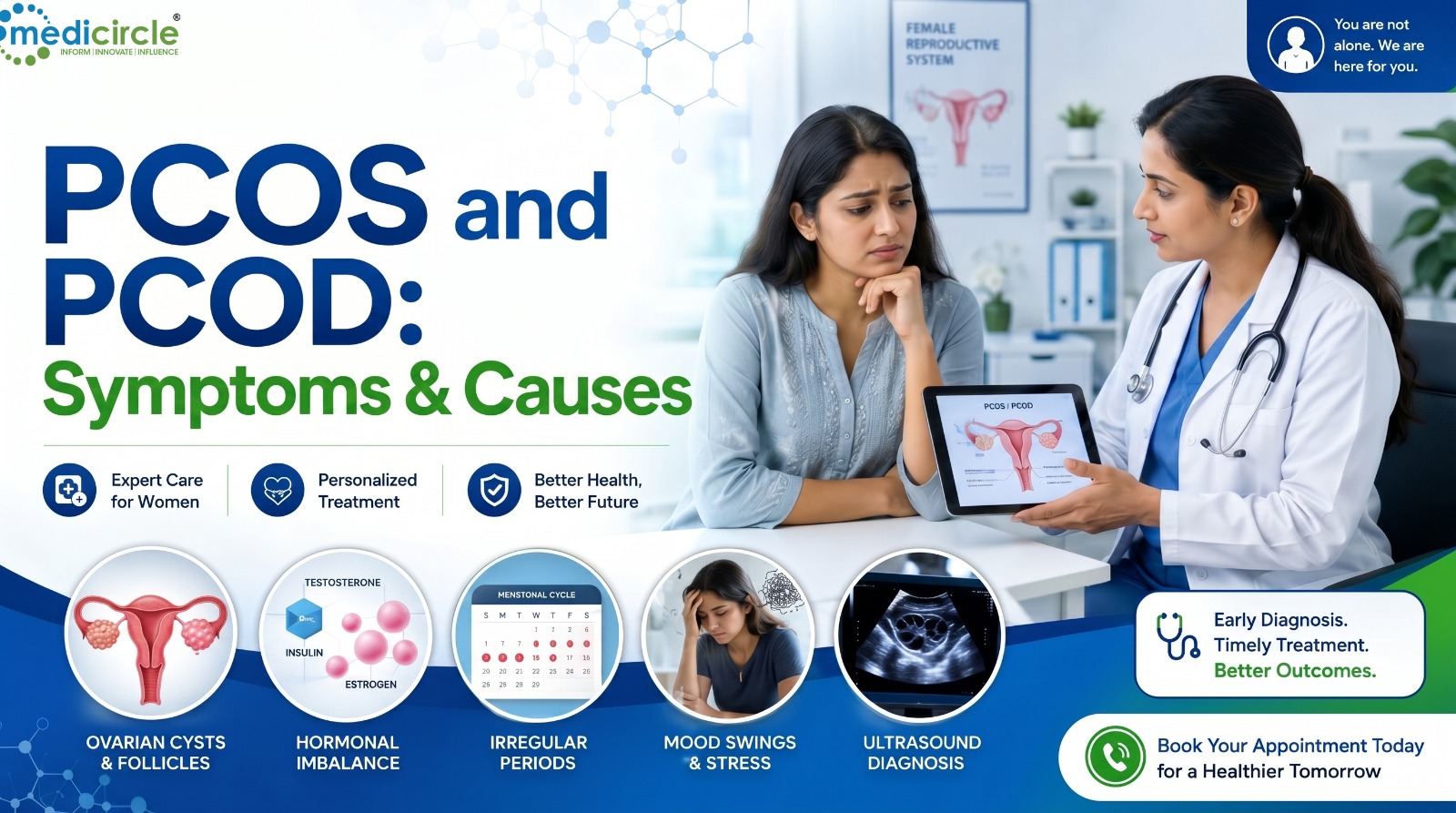
 This guide explains the differences between PCOD and PCOS while highlighting symptoms like irregular periods and insulin resistance. It provides actionable lifestyle and medical strategies for effective hormonal management.




PCOS and PCOD Explained
For many women in India today, a diagnosis of Polycystic Ovary Syndrome (PCOS) or Polycystic Ovary Disease (PCOD) can feel quite overwhelming. These terms appear frequently in clinics and fitness circles, yet they are often wrapped in confusion and various myths. While our modern environment and fast paced lifestyles have made these conditions more common, they remain highly manageable when you possess the right information.
Taking charge of your reproductive health starts with looking beyond the basic clinical labels. It is about understanding how your hormones influence your daily energy, your skin, and your future health goals. By removing the medical jargon, we can look at these conditions for what they truly are. They are a signal from your body that it requires a bit more balance and care. With the rise of sedentary work cultures in urban centers like Delhi, Mumbai, and Bangalore, addressing hormonal imbalance has become a priority for modern women.
Comparing the Conditions
Although they sound similar, medical professionals view PCOD vs PCOS through very different lenses. You should think of PCOD as a functional imbalance. In this condition, the ovaries release immature eggs that eventually turn into small cysts. It is often a reaction to external factors like high stress or a period of poor nutrition. Because it is less severe, many women find that consistent lifestyle changes are enough to keep PCOD in check.
PCOS is a more deep seated metabolic and endocrine disorder as per the expert gynaecologists. In this case, the body produces an excess of male hormones which significantly interferes with the reproductive system. Because it affects how the entire body processes insulin and hormones, PCOS requires a more comprehensive management strategy to prevent long term health complications.
Early Warning Signs
Recognizing the symptoms early allows you to seek help before the imbalance affects your quality of life. No two women experience these conditions in exactly the same way, but there are several red flags to watch for.
The most frequent sign is a disruption in your menstrual cycle. This might look like irregular periods that are constantly late or unusually heavy. You might also skip several months entirely. These gaps happen because the body is not ovulating as it should.
Beyond the cycle, you might notice external changes. Excess facial hair (hirsutism) on the face or chest, thinning hair on the head, or stubborn PCOS acne can all point to high androgen levels. Additionally, many women struggle with PCOS weight gain that seems impossible to shift. You may also notice dark, velvety patches of skin around the neck, which is a common sign that the body is struggling with insulin levels.
Root Cause Analysis
It is rarely just one thing that causes a hormonal shift. While your family history plays a part, the way we live today is a major factor. If your mother or sister had these issues, you might be more prone to them.
Insulin resistance is often the hidden culprit. When your body cells do not respond well to insulin, your pancreas pumps out more of it. This excess insulin tells the ovaries to produce more testosterone, which halts regular ovulation. In the Indian context, a diet heavy in white rice, sugary snacks, and refined flour can accidentally fuel this cycle.
Chronic, low grade inflammation and high stress levels from a high pressure lifestyle also contribute. These factors act like noise in the internal communication system of your body. This noise makes it hard for your hormones to send the right signals at the right time.
The Diagnostic Process
If you suspect something is off, a visit to a gynecologist is the best next step. A diagnosis is not based on a single test but rather a collection of findings. Your doctor will likely start by discussing your cycle history and any physical changes you have noticed recently.
To get the full picture, you will usually need blood work to check your hormone levels and blood sugar. An ultrasound for PCOS is also a standard tool. It allows the doctor to see if the ovaries have a string of pearls appearance. This is the typical look of multiple small follicles. They will also check the health of the uterine lining.
Effective Treatment Strategies
Management is not about a quick fix pill. It is about a holistic shift in how you treat your body. The goal is to lower inflammation and improve how your body handles sugar.
Nutrition and Exercise
Your kitchen is your first line of defense. Shifting toward a PCOS diet rich in fiber, lentils, seeds, and colorful vegetables helps keep insulin steady. In India, replacing refined grains with traditional millets or whole wheat can make a massive difference. Pair this with movement you actually enjoy, such as walking or yoga, to help your muscles use up excess sugar. Weight loss for PCOD often begins with these small, sustainable dietary shifts.
Professional Medical Help
Sometimes, lifestyle changes need a helping hand. Doctors may prescribe hormonal therapy to regulate periods or medications to help with insulin sensitivity. If you are struggling with specific symptoms like acne or unwanted hair, there are targeted PCOD treatment options that can work alongside your primary care to boost your confidence.
Future Health Outlook
It is helpful to think of PCOS and PCOD as long term companions rather than temporary illnesses. If left unmanaged, the metabolic strain can lead to higher risks of Type 2 diabetes or heart health issues later in life. However, this is not a guaranteed path. With regular checkups and a commitment to self-care, most women find they can live vibrant, symptom free lives.
Final Summary Thoughts
While a diagnosis of PCOS or PCOD might feel like a setback, it is actually an opportunity to tune into the needs of your body. By addressing the root causes and working closely with a healthcare professional, you can regain control. Remember, your health is a journey of consistency.
Common Questions Answered
Can I still get pregnant if I have PCOS?
Absolutely. While it might take a bit more planning and potentially some medical assistance to track or induce ovulation, many women with PCOS go on to have very healthy pregnancies. PCOS and pregnancy are possible with the right medical guidance.
Is PCOD a lifelong problem?
PCOD is often very responsive to lifestyle. Many women find that once they achieve a healthy weight and a balanced diet, their symptoms disappear and their cycles return to normal.
Does being thin mean I do not have PCOS?
Not necessarily. There is a condition called Lean PCOS where the person has a normal body mass index but still struggles with high androgen levels and irregular periods.





-23-300x250.png)

.jpeg)






.jpg)
.jpg)
.jpg)
.jpg)
.jpg)
.jpg)
.jpg)
.jpg)
.jpg)