 Tuesday, October 27, 2026
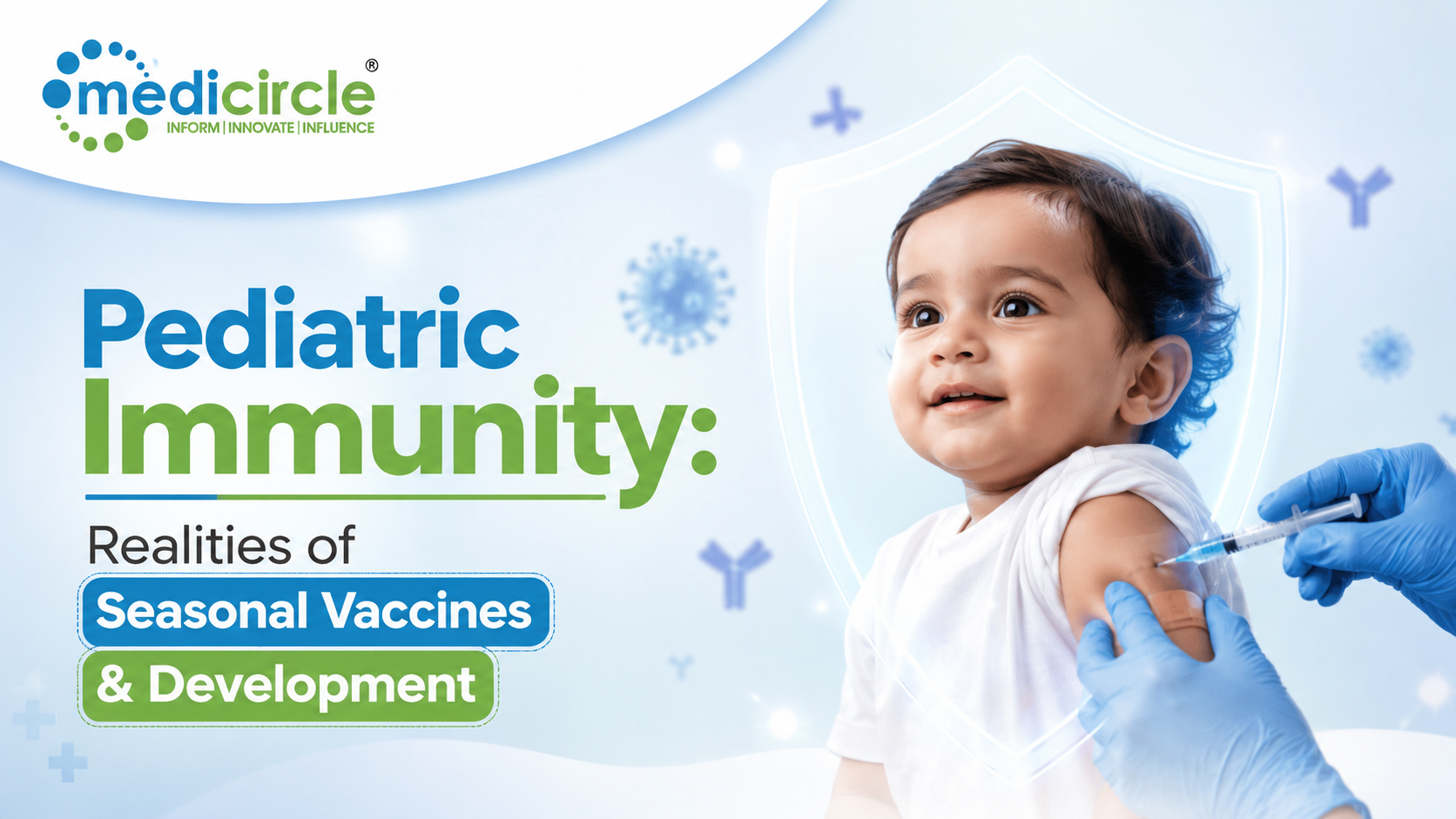
 The optimization of pediatric healthcare depends on a clear understanding of the developing immune system, which undergoes continuous changes from infancy through adolescence. Recognizing how immunity matures enables early disease detection, effective vaccination strategies, and personalized clinical care, ultimately improving long-term health outcomes for children.




The optimization of pediatric healthcare requires a precise understanding of a child's developing immune system. At birth, a newborn's adaptive immune system is immunologically naive, relying heavily on maternal antibodies passed through the placenta and breast milk. As these maternal antibodies naturally decline during the first year of life, a child's body must build its own long-term defenses.
This critical developmental phase coincides with exposure to a wide array of seasonal environmental pathogens, making the management of pediatric immunity a high priority for public health and clinical care.
A common question in pediatric medicine is how seasonal immunizations—such as the annual influenza vaccine and updated respiratory formulations—affect a child's natural physical and neurological growth. Public health data, clinical trials, and pediatric registries demonstrate that targeted immunizations are essential to protect childhood development.
Rather than overloading a developing system, evidence-based immunizations function as controlled, safe training modules. They teach the immune system to recognize dangerous pathogens without exposing the child to the severe, growth-stalling complications of full-blown infections.
Failing to follow established pediatric immunization schedules exposes children to significant developmental risks. Severe seasonal infections do not just cause temporary discomfort; they can trigger intense, systemic inflammatory responses that disrupt metabolic balance, cause dangerous respiratory distress, require prolonged hospitalization, and stall critical physical milestones.
Transitioning from speculative or delayed vaccine protocols to an evidence-based immunization strategy protects a child's early developmental years, supports healthy growth milestones, and lowers the risk of childhood infectious diseases.
1. The Cellular Immunology of Pediatric Vaccination
To understand how vaccines protect childhood development, we must trace the molecular pathways that occur when an immunization enters naive tissue:
The Safe Activation of the Primary Immune ResponseWhen a vaccine is administered, it delivers specific, harmless viral or bacterial pieces (antigens) straight to local immune cells. As shown in the primary response mapping, specialized white blood cells called macrophages swallow these antigens, break them down, and present the fragments to helper T-lymphocytes. This critical presentation triggers the adaptive immune network.
Once activated, T-lymphocytes stimulate B-lymphocytes to multiply and transform into specialized plasma cells. These plasma cells begin producing target-specific proteins called antibodies to neutralize the antigen safely.
Crucially, this controlled process also creates long-lasting memory cells. These memory units remain inside the lymph nodes for decades, ready to defend the body instantly if it ever encounters the real, dangerous pathogen in the future.
The Power of Immunological Memory ChannelsThe distinct performance advantage of this cellular training becomes clear when comparing a child's initial exposure to a pathogen against a secondary exposure.
As charted in the adaptive immunity timeline, a primary exposure to a completely new pathogen triggers a slow, low-volume rise in Immunoglobulin M (IgM) antibodies, leaving the body vulnerable to illness while it builds its defense.
A vaccine safely acts as this initial exposure. When the child later encounters the actual live virus—the secondary exposure—their primed memory cells skip the delay entirely. They immediately launch a rapid, high-volume surge of highly effective Immunoglobulin G (IgG) antibodies, neutralizing the virus before it can cause severe systemic infection or stall growth milestones.
2. Core Infrastructure: The Pediatric Immunization Matrix
To successfully navigate childhood wellness tracking without creating administrative delays or missing critical protective windows, a family's healthcare routine should anchor around three evidence-based operational pillars:
- Adherence to Nationally Standardized Immunization Timelines: Move past speculative, delayed schedules. Ensure your child receives their primary series and annual seasonal boosters in strict alignment with guidelines from the National Immunization Schedule (NIS) and the Indian Academy of Pediatrics (IAP), locking in essential protection during high-risk physical growth windows.
- Proactive Protection Against Seasonal Respiratory Pathogens: Shield your child's lungs ahead of high-transmission seasons. Schedule your child's annual quadrivalent influenza vaccine at least two to four weeks before the monsoon season or winter dips begin, ensuring their body builds a peak antibody baseline before regional exposure rates climb.
- Integration with Unified Digital Health Tracking Frameworks: Keep an accurate, digital record of every vaccine dose. Move away from easily misplaced paper cards by automatically syncing all immunization dates, batch numbers, and specialist checkups directly to a secure, portable digital health profile.
Comparative Matrix: Unstructured Vaccine Delays vs. Evidence-Based Immunization
The table below contrasts the clinical risks of unverified, delayed vaccine schedules with the clear developmental advantages of an evidence-based pediatric immunization program.
|
Pediatric Health Vector Matrix |
Unstructured Delayed Vaccine Schedules |
Evidence-Based Pediatric Immunization |
Systemic Childhood Development Edge |
|---|---|---|---|
|
Immunological Training Pace |
Leaves the child naive and unprotected during high-risk early years. |
Controlled primary immune response activation via safe antigens. |
Evidence-Based: Builds strong antibody baselines without the dangers of live disease. |
|
Secondary Exposure Defense |
Relies on a slow, low-volume IgM rise during live infections. |
Rapid, high-volume IgG antibody surges driven by memory cells. |
Evidence-Based: Neutralizes live seasonal viruses before they can cause severe tissue damage. |
|
Physical Growth Protection |
High risk of growth-stalling complications and hospital stays. |
Insulates physical growth milestones from severe infection stress. |
Evidence-Based: Maintains structural growth and weight metrics cleanly. |
|
Record Management System |
Easily lost paper health cards that lead to fragmented histories. |
Automated digital syncing straight to secure national networks. |
Evidence-Based: Secures an unbroken, accessible medical record for life. |
|
Community Health Alignment |
Worsens regional transmission risks and hurts community immunity. |
Strict adherence to verified national IAP timelines. |
Evidence-Based: Lowers regional outbreak rates, protecting vulnerable peers. |
3. High-Performance Action Plan for Parents and Caregivers
To successfully update your family's healthcare routine and build a highly effective, automated shield around your child's developmental milestones, execute this multi-phase operational protocol:
- Conduct a Detailed Audit of Your Child's Complete Immunization History
Phase 1
Check your existing records. Review your current paper tracking cards alongside a pediatrician to verify that all primary doses match national guidelines and locate any open slots before seasonal changes arrive. - Coordinate Timing for Annual Seasonal and Respiratory Boosters
Phase 2
Plan ahead for high-risk seasons. Schedule your child's annual flu shot and updated seasonal boosters at least a month before local seasonal drops or monsoons begin, giving their immune system ample time to build peak defenses. - Sync All Immunization Milestones to Your Digital Health Profile
Phase 3
Digitize your records permanently. Ensure your pediatrician uploads every completed vaccine batch number and checkup record directly into secure national digital networks, creating a permanent, portable health timeline.
Actionable Strategy: Your Long-Term Pediatric Governance Roadmap
- Link Your Child's Medical History Natively with the Universal ABHA Framework: Prevent fragmented charting across separate pediatric clinics. Ensure all clinical lab sheets, growth charts, and immunization milestones sync cleanly using a verified ABHA ID via the Ayushman Bharat Digital Mission (ABDM) pipeline, preserving an unbroken, portable digital record that simplifies long-term healthcare tracking.
- Track Growth Milestones Natively Using the Integrated APAAR ID Registry: Secure your child's early educational and wellness credentials seamlessly. Linking early developmental progress, school health reports, and physical fitness verifications natively with a unique APAAR ID via the national digital network preserves a verified timeline that supports their growth path from preschool through higher education.
- Schedule Semi-Annual Comprehensive Pediatric Wellness Appraisals: Keep an objective, data-driven eye on your child's physiological development. Visit your pediatrician twice a year to look past basic wellness checkups, tracking exact height-for-age parameters, cognitive milestones, and baseline nutritional markers to confirm their daily routines fully support long-term metabolic health.
Frequently Asked Questions (FAQs)
Q1. Can receiving multiple vaccines at once overload a young child's developing immune system?No, absolutely not. A child's immune system encounters hundreds of new environmental antigens every day through playing, eating, and breathing. The proteins in modern pediatric vaccines represent a tiny fraction of their daily exposure, functioning as safe, controlled training modules.
Q2. Why is the secondary immune response significantly faster and stronger than a primary response?During a primary exposure (or vaccination), the body slowly builds specific memory cells. Upon a secondary exposure to the live pathogen, these memory units recognize the threat instantly, skipping the initial delay to launch a massive surge of protective IgG antibodies.
Q3. How do severe seasonal infections actively disrupt a child's physical growth milestones?Severe infections drain a child's metabolic energy reserves to fight illness, often causing prolonged high fevers, a sharp drop in nutrient absorption, and muscle wasting that can stall weight gain and delay physical development.
Q4. What is the role of an ABHA ID in tracking long-term pediatric healthcare?An Ayushman Bharat Health Account (ABHA) ID serves as a highly secure, lifelong digital passport that links a child's immunization histories, clinical prescriptions, and growth metrics cleanly across all verified clinics and national medical networks.
Q5. What exactly is the difference between IgM and IgG antibodies during an illness?IgM is the first, temporary antibody produced by the body during a new infection, providing slow initial protection. IgG is the highly specialized, high-volume antibody generated later by memory cells, offering rapid and long-lasting defense.
Q6. How does an APAAR ID support a child's developmental and educational journey?An Automated Permanent Academic Account Registry (APAAR) ID acts as a lifetime digital record that coordinates a student's school health checkups, academic credits, and co-curricular achievements cleanly across national repositories.
Q7. Why do pediatricians emphasize getting the annual influenza vaccine before monsoons or winter begin?It requires roughly two to four weeks after vaccination for the body to build peak antibody levels. Timing the shot before seasonal changes ensures the child has maximum immune protection before regional exposure rates climb.
Q8. What parameters are continuously monitored on a 360-degree pediatric wellness scorecard?A holistic development scorecard tracks data past simple height checks, cross-referencing immunization timeline alignment, height-for-age percentiles, cognitive milestone completions, sleep structure consistency, and metabolic energy levels over time.
Q9. How fast can parents expect to see improved health resilience after balancing a child's care?When a family updates its routine to follow standardized immunization timelines, secure balanced daily nutrition, and enforce consistent, restful sleep habits, the return is steady. You can observe improved energy and fewer seasonal illness disruptions within 4 to 6 weeks of active execution.
Q10. What immediate steps should parents take if a child misses a scheduled primary vaccine dose?Act promptly within a structured path: consult your pediatrician immediately to map out a safe catch-up schedule, ensure the missing dose is delivered before high-risk seasonal shifts, and sync the update directly to their digital health log.
Q11. How do maternal antibodies protect a newborn, and when do they typically decline?Maternal IgG antibodies cross the placenta during the third trimester, providing immediate systemic defense at birth. These protective levels naturally drop during the first 6 to 12 months of life, making timely pediatric immunizations essential.
Q12. Why do modern combination vaccines (like the 6-in-1 shot) offer a clinical advantage over single injections?Combination shots bundle protection against multiple serious diseases into a single injection, significantly reducing physical discomfort for the child, cutting down on clinic visits, and lowering administrative tracking errors.
Q13. Can a child's nutritional baseline affect how effectively their body responds to a vaccine?Yes. A balanced diet rich in protein, Vitamin D3, and essential micronutrients supports healthy cell division, ensuring the immune system has the cellular resources needed to build strong, long-lasting antibody counts after an immunization.
Q14. What is herd immunity, and why does individual vaccine compliance matter to the community?Herd immunity occurs when a large percentage of a community is immunized against a disease, making spread difficult. Individual compliance protects the entire community, shielding vulnerable infants who are too young to receive certain shots.
Q15. How do digital health registries protect families from accidental over-vaccination?Centralized digital profiles record every vaccine batch number and delivery date in real time. Having immediate access to this portable timeline ensures any subsequent specialist can verify their complete history instantly, preventing duplicate doses.





-23-300x250.png)

.jpeg)







.jpg)
.jpg)
.jpg)
.jpg)
.jpg)
.jpg)
.jpg)
.jpg)
.jpg)

