Tuesday, October 27, 2026
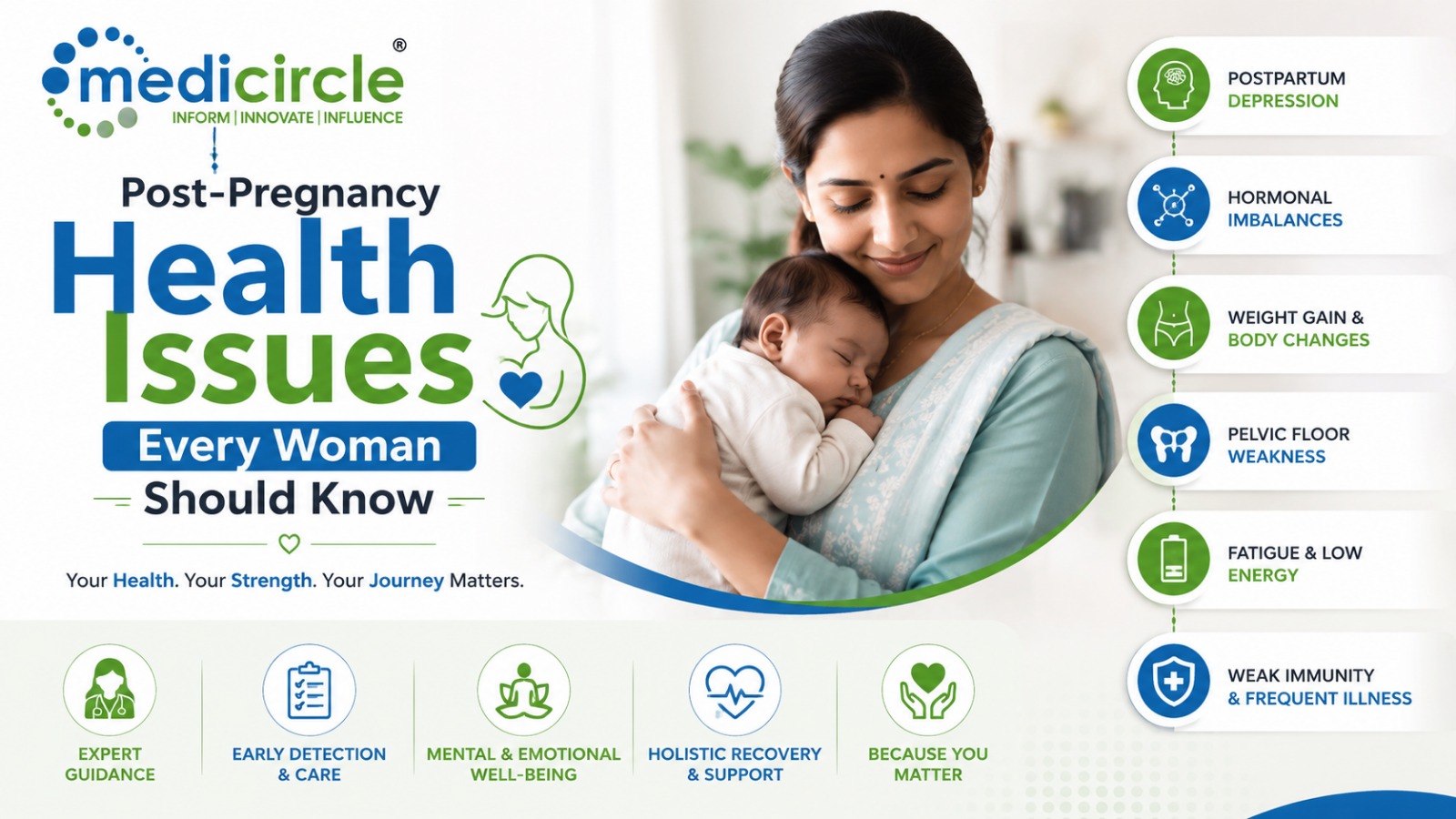
 Understanding post pregnancy health issues helps women recognize how physical recovery, emotional adjustment, sleep, hormones, and lifestyle patterns shape long-term well-being after childbirth. Awareness of after delivery problems and after pregnancy mental health supports healthier recovery habits, realistic expectations, and better emotional balance during postpartum life.




Pregnancy changes the body in visible and invisible ways, but many women are often unprepared for what happens after childbirth. While attention usually focuses on the baby, many mothers quietly experience post pregnancy health issues that affect their physical energy, emotional balance, sleep, digestion, hormones, and overall well-being. Some symptoms disappear naturally, while others continue for months without clear understanding. Knowing what happens during recovery, why certain changes occur, and how different women experience after pregnancy health problems differently can help create a healthier and more informed transition into motherhood.
Why the Body Feels Different After Pregnancy
The human body goes through intense physical adjustment during pregnancy, but recovery after childbirth is often more complex than people expect. Many women assume the body returns to normal within weeks, yet the recovery process is gradual and highly individual. Hormones shift rapidly, muscles weaken, sleep patterns change, and nutritional demands increase, especially during breastfeeding or sleep deprivation.
One reason after delivery problems feel overwhelming is because multiple systems in the body recover at the same time. The abdominal muscles, pelvic floor, digestive system, hormonal balance, and emotional regulation all respond differently after childbirth. A woman who had a physically smooth pregnancy may still experience fatigue, anxiety, or digestion issues afterward.
Lifestyle also shapes recovery. Women returning quickly to work, managing businesses, handling household responsibilities, or lacking family support often experience longer recovery periods. In colder climates, reduced sunlight and indoor routines may affect mood and energy levels, while warmer regions may create dehydration and sleep discomfort that worsen exhaustion.
The body is not simply “recovering from delivery.” It is adapting to a completely new biological and emotional routine. Understanding this helps explain why many after pregnancy health problems continue longer than expected.
Physical Recovery Is Often More Layered Than Expected
Many conversations about childbirth recovery focus only on visible healing, but post-pregnancy recovery affects internal systems as well. This is why some women continue experiencing discomfort even after external healing appears complete.
How Physical Recovery Usually Appears in Daily Life- Pelvic discomfort and lower body weakness may continue for months
Many women experience pressure, heaviness, or weakness in the pelvic area after childbirth. This happens because muscles and tissues stretch significantly during pregnancy and delivery. Women with physically demanding jobs or long standing hours often notice these symptoms more clearly during daily movement and activity. - Digestive changes and bloating become more noticeable after irregular routines
Recovery periods often disrupt meal timing, hydration, and sleep. This affects digestion and may lead to constipation, bloating, or discomfort. These issues are especially common in women balancing newborn care with work or household responsibilities. - Hormonal shifts influence energy and physical comfort
Hormones drop sharply after childbirth, which affects mood, skin, appetite, and fatigue levels. Some women feel physically exhausted even after sleeping because hormonal adjustment affects how the body restores energy. - Sleep deprivation changes how recovery feels physically
Interrupted sleep affects muscle recovery, stress regulation, and emotional stability. Women caring for newborns through the night may feel persistent body pain or weakness because the body never fully enters deep recovery cycles.
These symptoms are commonly linked with after normal delivery problems, but they can also appear after cesarean delivery depending on lifestyle and recovery patterns.
The Emotional Side of Recovery Is Often Underestimated
One of the most misunderstood aspects of motherhood is after pregnancy mental health. Emotional recovery is not always dramatic or obvious. In many cases, it appears quietly through irritability, emotional numbness, constant worry, or difficulty adjusting to routine changes.
Social expectations also play a role. Many women feel pressure to appear happy, productive, or emotionally stable immediately after childbirth. This often prevents open conversations about mental exhaustion or emotional overwhelm.
The emotional shift after childbirth happens because hormones, identity, routine, and responsibility change simultaneously. Women who previously managed structured careers or independent routines may struggle with sudden unpredictability. Entrepreneurs or working mothers may experience guilt from balancing professional responsibilities with caregiving expectations.
Another overlooked factor is isolation. Many women spend long periods indoors during recovery, especially during colder seasons or in urban lifestyles where community support is limited. Reduced social interaction can intensify emotional fatigue.
Not every emotional struggle becomes a severe condition, but ongoing sadness, anxiety, emotional detachment, or panic should never be dismissed as “normal motherhood stress.” Understanding after pregnancy mental health helps women recognize that emotional recovery deserves the same attention as physical healing.
Why Recovery Looks Different for Every Woman
No two women experience postpartum recovery the same way. Genetics, age, nutrition, delivery method, lifestyle, stress levels, and support systems all influence recovery patterns.
Women in their twenties may physically recover faster but feel emotionally overwhelmed due to life transitions. Older mothers may have stronger emotional preparation but slower muscle recovery or energy restoration.
Women with strong family support often recover differently from those managing childcare alone. Sleep quality, financial pressure, work demands, and even climate conditions influence the healing process.
This variation explains why comparing recovery experiences often creates confusion or unrealistic expectations. Some women regain energy quickly but struggle emotionally. Others feel mentally stable but experience prolonged physical weakness.
Recognizing these differences helps normalize the broad range of post pregnancy health issues women experience.
Daily Lifestyle Habits That Affect Long-Term Recovery
Postpartum recovery is strongly influenced by everyday habits. Small routines repeated daily often shape recovery more than temporary solutions.
Lifestyle Patterns That Commonly Influence Recovery- Irregular eating patterns increase fatigue and slow recovery
Many new mothers skip meals or rely on convenience foods because of time pressure. This affects blood sugar stability and energy levels. Consistent nutrition supports hormone balance and physical recovery more effectively over time. - Lack of movement can worsen stiffness and exhaustion
While rest is important, complete inactivity may increase body stiffness and circulation problems. Gentle daily movement often helps improve energy and comfort gradually. - Overexposure to digital content increases emotional stress
Constant comparison through social media creates unrealistic expectations about motherhood and recovery. Women may feel pressure to “bounce back” physically or emotionally much faster than realistic recovery timelines. - Poor hydration affects mood, digestion, and energy
Dehydration becomes common during postpartum recovery, especially for breastfeeding mothers. This contributes to headaches, fatigue, and digestion discomfort that many women overlook.
These daily patterns may seem small individually, but together they shape how women experience after delivery problems long term.
The Overlap Between Physical Symptoms and Emotional Stress
One reason postpartum recovery becomes confusing is because physical and emotional symptoms often overlap. Fatigue may come from hormonal changes, poor sleep, stress, or nutritional imbalance simultaneously.
For example, persistent exhaustion may appear as physical weakness, but emotional overload often intensifies it. Similarly, digestion problems may worsen during periods of anxiety or sleep deprivation.
This overlap explains why many women feel frustrated when symptoms fluctuate unpredictably. Recovery is rarely linear because the body and mind influence each other continuously.
Understanding this connection helps women approach after pregnancy health problems with more patience and realistic expectations.
Why Early Awareness Matters More Than Quick Solutions
Many postpartum symptoms improve gradually with time, but awareness plays an important role in preventing long-term stress or neglect. Women who understand what recovery realistically involves often feel less anxious when symptoms appear.
The goal is not perfection or rapid transformation. It is understanding how the body adapts after childbirth and recognizing when ongoing symptoms deserve attention or support.
Conversations around motherhood often focus heavily on the baby while overlooking the mother’s recovery journey. Bringing attention to post pregnancy health issues creates healthier expectations and encourages women to prioritize their own well-being without guilt.
Conclusion
Recovery after childbirth is a long-term adjustment rather than a short healing phase. Physical discomfort, hormonal changes, fatigue, and after pregnancy mental health challenges often overlap in ways many women do not initially expect. Understanding these experiences helps normalize recovery and encourages healthier lifestyle patterns, emotional awareness, and realistic expectations. Recognizing after pregnancy health problems early allows women to adapt more confidently and support their long-term well-being with greater clarity and balance.
Frequently Asked Questions (FAQs)
1. What are the most common post pregnancy health issues women experience?The most common post pregnancy health issues include fatigue, hormonal imbalance, sleep disruption, digestion discomfort, body pain, and emotional stress. Many women also notice changes in mood, energy, and appetite during recovery. These symptoms are often connected to broader health recovery patterns and lifestyle adjustments after childbirth.
2. How long do after delivery problems usually last?After delivery problems may last for a few weeks or continue for several months depending on sleep, nutrition, stress, and recovery support. Physical healing and emotional adaptation do not always happen together. Following consistent postpartum recovery habits and maintaining balanced routines often supports gradual improvement.
3. Why does the body feel weak after pregnancy even with rest?Physical weakness after childbirth is often linked to hormonal shifts, interrupted sleep, and nutritional imbalance. Even when resting, the body continues recovering internally. This is why many women experience after pregnancy health problems alongside ongoing energy restoration challenges during the postpartum phase.
4. Can after pregnancy mental health affect physical recovery?Yes, after pregnancy mental health can directly influence physical recovery. Emotional stress affects sleep quality, digestion, energy levels, and overall healing. This overlap between emotional and physical symptoms is common during postpartum hormonal adjustment and long-term recovery.
5. Why do some women recover faster than others after childbirth?Recovery varies because every woman experiences different hormonal, physical, and lifestyle conditions. Age, sleep quality, stress, support systems, and nutrition all influence healing. These differences explain why after normal delivery problems may feel mild for some women but more prolonged for others.
6. Is emotional numbness common after pregnancy?Yes, emotional numbness or feeling emotionally disconnected can happen during postpartum recovery. It is often linked to hormonal changes, exhaustion, and lifestyle pressure rather than a single cause. Understanding after pregnancy mental health helps women recognize these experiences without fear or confusion.
7. How does lack of sleep worsen post pregnancy health issues?Interrupted sleep affects hormone balance, emotional stability, digestion, and muscle recovery. Over time, this intensifies post pregnancy health issues such as fatigue, anxiety, and body discomfort. Proper rest supports both physical recovery patterns and emotional balance after childbirth.
8. Why do digestion issues become common after childbirth?Digestion changes often appear because postpartum recovery disrupts eating schedules, hydration, and movement. This may lead to bloating, constipation, or discomfort. These symptoms are part of broader postpartum lifestyle changes and may overlap with stress-related digestive imbalance.
9. Can stress increase after pregnancy health problems?Yes, stress can intensify many after pregnancy health problems, including sleep issues, emotional exhaustion, and physical discomfort. Women balancing caregiving, work, and personal responsibilities often experience stronger symptoms due to ongoing mental and hormonal adjustment after childbirth.
10. What daily habits support healthier postpartum recovery?Simple habits like regular meals, hydration, gentle movement, and consistent sleep routines help improve recovery over time. These small changes support postpartum wellness and reduce the long-term effects of after delivery problems by helping the body adapt gradually after childbirth.





-23-300x250.png)

.jpeg)
.jpg)
.jpg)
.jpg)
.jpg)
.jpg)
.jpg)
.jpg)
.jpg)
.jpg)