 Thursday, October 08, 2026
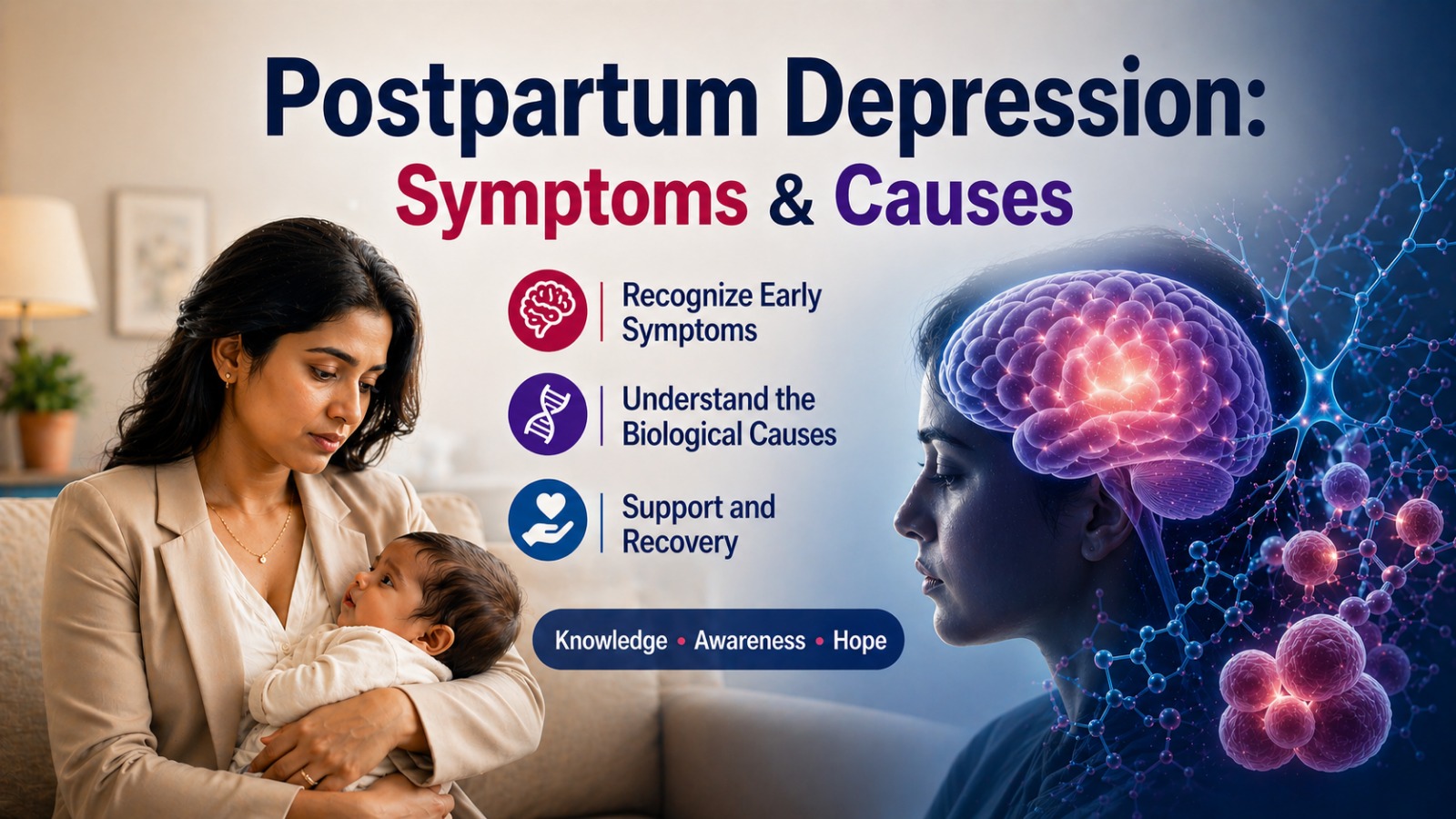
 Understanding postpartum depression symptoms and the causes of postpartum depression helps in early identification and effective recovery. Access to postpartum depression support, therapy, and self-care practices supports long-term emotional well-being after childbirth.




Bringing a new life into the world is often described as a joyful experience, yet many mothers quietly struggle with overwhelming emotions after childbirth. Postpartum depression is more than just temporary sadness. It is a complex emotional and biological response that can affect how a mother feels, thinks, and functions. Recognizing postpartum depression symptoms early and understanding why they happen can make a meaningful difference in recovery and support.
What Postpartum Depression Really Feels Like in Daily Life
Postpartum depression does not always appear as constant sadness. In real-life situations, it often shows up in subtle and confusing ways. A new mother may feel disconnected from her baby, experience sudden emotional shifts, or struggle with guilt for not feeling “happy enough.” These are often mistaken for normal exhaustion, which delays recognition.
The signs of postpartum depression can vary widely. Some women experience postpartum anxiety, where worry becomes constant and overwhelming. Others may feel numb or emotionally distant. Unlike the short-term postpartum blues, which usually fade within a few days, deeper symptoms persist and interfere with daily routines.
In practical terms, this may look like difficulty sleeping even when the baby is asleep, lack of interest in daily activities, or feeling overwhelmed by simple tasks. These patterns often overlap with perinatal depression, which can begin during pregnancy and continue after birth.
Understanding these experiences helps differentiate between temporary emotional shifts and more serious ppd symptoms, making it easier to seek postpartum depression help when needed.
Early Signs and Patterns That Often Go Unnoticed
The early phase of postpartum depression symptoms is often overlooked because it blends with normal post-birth fatigue. However, there are consistent patterns that indicate something deeper is happening.
Common Early Indicators of PPD- Emotional withdrawal and lack of connection
A mother may feel distant from her baby or family, even when physically present. This emotional gap is one of the subtle signs of ppd that often goes unnoticed, especially when others assume she is simply tired. - Persistent worry linked to postpartum anxiety
Constant fear about the baby’s health or one’s own ability to care for the child can signal postpartum anxiety. This goes beyond normal concern and can feel uncontrollable, affecting sleep and focus. - Changes in appetite and sleep patterns
Significant shifts in eating habits or inability to rest, even during quiet moments, are early postnatal depression symptoms that reflect internal imbalance. - Feelings of guilt, inadequacy, or hopelessness
Many mothers experience self-doubt, questioning their ability to handle motherhood. These thoughts often deepen into depression after birth if not addressed.
These early signs are often identified through tools like the Edinburgh postpartum depression scale or a postpartum depression questionnaire, which help in early detection and postpartum depression screening.
The Biological Causes Behind Postpartum Depression
To understand causes of postpartum depression, it is important to look at the body’s internal changes after childbirth. This condition is not just emotional. It has strong biological roots.
After delivery, hormone levels drop sharply, especially estrogen and progesterone. These hormones influence mood regulation, and their sudden decline can disrupt emotional balance. At the same time, sleep deprivation and physical recovery from childbirth place additional stress on the body.
The brain’s chemical messengers, responsible for mood and emotional stability, also shift during this period. This explains why post pregnancy depression can feel intense and unpredictable.
In real-life scenarios, this means that even mothers who felt emotionally stable before pregnancy may experience sudden mood changes. This is why postpartum depression symptoms are not a reflection of personal weakness but a response to biological and environmental factors.
How Lifestyle and Environment Influence Recovery
Beyond biology, lifestyle plays a significant role in shaping the experience of postpartum depression. Daily routines, support systems, and environmental stressors all contribute to how symptoms develop and persist.
Sleep disruption is one of the most impactful factors. Caring for a newborn often leads to irregular sleep patterns, which directly affect mood and emotional resilience. Social isolation can also intensify symptoms, especially when mothers feel they cannot openly discuss their struggles.
Access to postpartum depression resources and support systems such as family, friends, or community groups makes a noticeable difference. Mothers who have access to postpartum depression support groups often find comfort in shared experiences.
In contrast, lack of support can make symptoms feel overwhelming, leading to prolonged dealing with postpartum depression without guidance.
Treatment Approaches and Support Systems
Recovery from postpartum depression involves a combination of emotional support, structured care, and professional guidance. The goal is not just symptom reduction but long-term emotional stability.
Effective Support and Treatment Options- Professional counseling and therapy support
Working with a postpartum depression therapist helps mothers process emotions and develop coping strategies. Many also search for a postpartum depression therapist near me to access local support. - Structured postpartum counseling sessions
Postpartum counseling provides a safe space to discuss experiences without judgment. This approach helps in understanding emotional patterns and building resilience. - Community-based support systems
Joining postpartum depression support groups allows mothers to connect with others facing similar challenges. This reduces isolation and builds emotional strength. - Access to postpartum depression resources
Educational tools and support networks provide guidance on managing symptoms and finding help. These resources play a key role in early recovery.
These approaches form the foundation of postpartum depression treatment, helping mothers regain confidence and emotional balance.
Real-Life Variations in Experience Across Individuals
No two experiences of postpartum depression are the same. Some mothers may experience mild symptoms that gradually improve, while others may face more intense challenges requiring structured ppd therapy.
Factors such as prior mental health history, physical recovery, and support systems influence how symptoms appear. For example, a mother with strong family support may recover faster compared to someone managing responsibilities alone.
Cultural expectations also play a role. In many cases, mothers feel pressure to appear strong, which delays seeking postpartum help or ppd help.
Understanding these variations helps create a more realistic view of recovery, emphasizing that each journey is unique.
The Role of Self-Care and Daily Practices
While professional support is important, daily habits also contribute to recovery. Postpartum depression self care involves small but meaningful actions that support emotional well-being.
This includes taking short breaks, maintaining basic routines, and allowing time for rest. Even small activities such as stepping outside or engaging in light conversation can improve mood.
The goal is not perfection but consistency. These practices support long-term recovery alongside structured postpartum depression treatment.
Conclusion
Postpartum depression is a complex condition influenced by biological, emotional, and environmental factors. Recognizing early postpartum depression symptoms and understanding their causes helps in seeking timely support.
With access to postpartum counseling, therapy, and supportive resources, recovery becomes achievable. Each mother’s journey is different, but with the right approach, it is possible to regain balance and confidence during this phase.
Frequently Asked Questions (FAQs)
1. How soon can postpartum depression start after childbirth?Postpartum depression can begin within the first few weeks after delivery, but in some cases, it develops gradually over months. Early postpartum symptoms may look like fatigue or mood swings, which is why timely postpartum depression screening is important for early identification.
2. What makes postpartum depression different from normal emotional changes after birth?Temporary mood shifts, often called postpartum blues, usually fade within a few days. In contrast, post pregnancy depression lasts longer and affects daily functioning. Persistent signs of postnatal depression such as emotional withdrawal or hopelessness indicate a deeper condition.
3. Can postpartum depression affect bonding with the baby?Yes, many mothers experiencing ppd symptoms may feel disconnected or emotionally distant. This does not reflect lack of care but is part of the condition. Accessing postpartum depression help and postpartum counseling can support emotional reconnection over time.
4. How is postpartum depression diagnosed or evaluated?Healthcare providers often use structured tools like the Edinburgh postpartum depression scale or a postpartum depression questionnaire to assess symptoms. These methods support accurate postpartum depression screening and help guide further care.
5. Is postpartum anxiety part of postpartum depression?Yes, postpartum anxiety often overlaps with perinatal depression. Many mothers experience excessive worry, restlessness, or fear alongside low mood. These combined patterns are important to recognize when dealing with postpartum depression.
6. What role does support play in recovery from postpartum depression?Support plays a major role in recovery. Access to postpartum depression support groups and postpartum resources helps reduce isolation and provides shared understanding. Emotional and social support often improves recovery outcomes.
7. Can postpartum depression happen even without prior mental health issues?Yes, depression after birth can occur even in individuals with no previous mental health history. Biological changes, lifestyle shifts, and lack of support can all contribute to the causes of postpartum depression.
8. How does postpartum counseling help in recovery?Postpartum counseling helps mothers process emotions and understand their experiences. Through guided sessions, individuals learn coping strategies and build emotional resilience. This form of postpartum depression counseling supports long-term recovery.
9. Are there specific resources available for postpartum depression support?Yes, there are various postpartum depression resources such as helplines, therapy services, and community groups. Many mothers also look for postpartum help near me to access local support systems and structured care options.
10. What are the long-term effects if postpartum depression is not addressed?If left unmanaged, postnatal depression symptoms may continue to affect emotional health and daily functioning. Early ppd treatment and consistent postpartum depression support help prevent long-term challenges and improve overall well-being.






.jpeg)










.jpg)
.jpg)
.jpg)
.jpg)
.jpg)
.jpg)


.jpg)