Wednesday, October 07, 2026
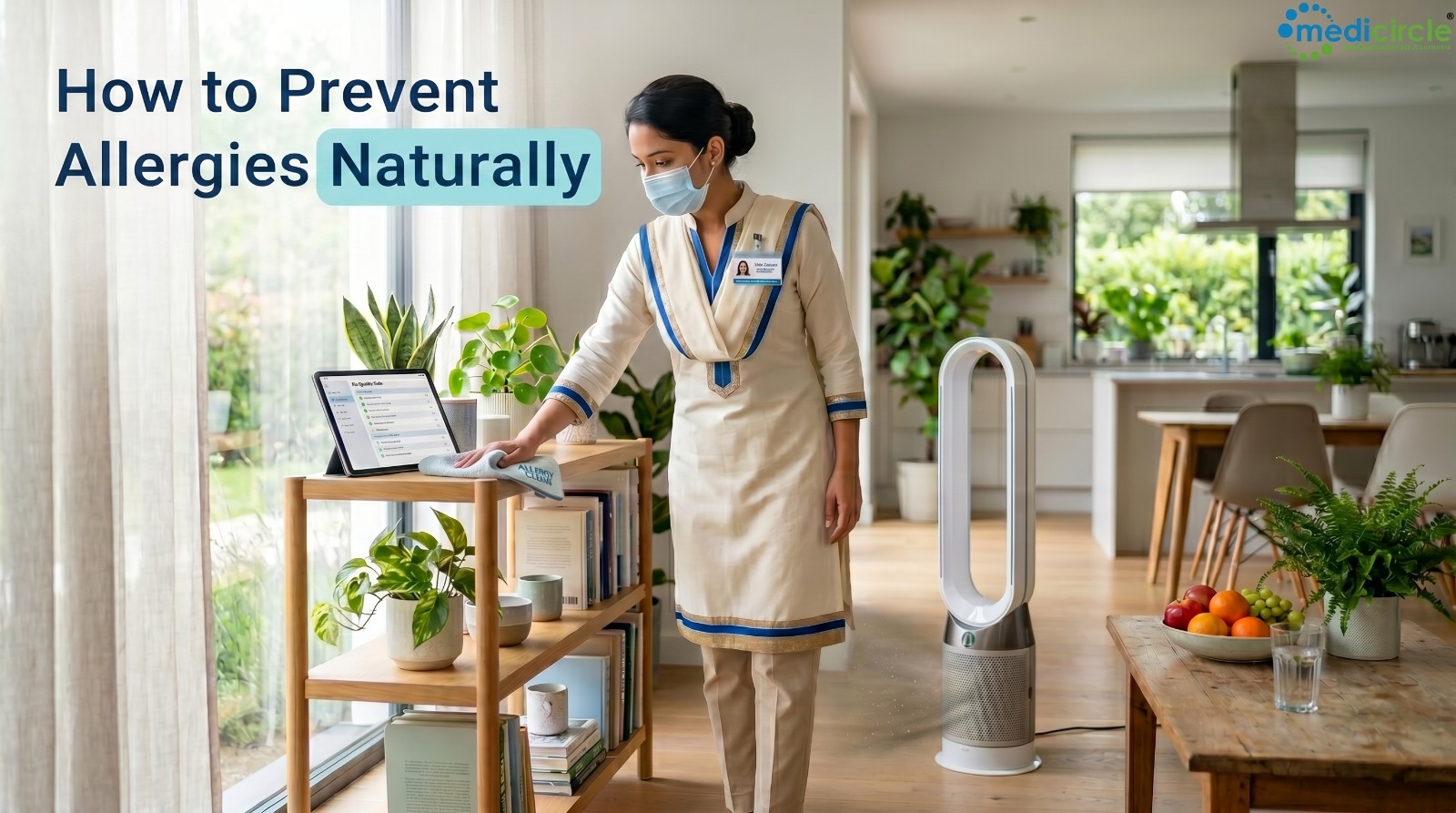
 Learning how to prevent allergies involves more than avoiding triggers—it requires consistent habits that reduce exposure and support immune balance. Simple lifestyle changes can help reduce allergies naturally and improve daily comfort over time.




Why Prevention Matters More Than Temporary Relief
Most people search for solutions only when symptoms appear—sneezing, itching, or congestion. But real improvement comes from understanding how to prevent allergies before they begin. Prevention reduces both the frequency and intensity of reactions, making daily life more predictable and comfortable.
In practical terms, this means:
- Fewer interruptions during work or sleep
- Reduced dependence on medications
- Better energy levels without constant irritation
Instead of reacting to symptoms repeatedly, prevention focuses on controlling the environment and strengthening the body’s response.
Understanding Your Personal Allergy Triggers
Before applying solutions, it’s essential to identify what actually causes your symptoms. Allergies are highly individual, and recognizing patterns is the first step toward learning how to avoid allergies effectively.
Common Real-Life Patterns
- Sneezing or congestion while cleaning → likely dust-related
- Itchy eyes outdoors → pollen exposure
- Skin irritation after certain foods → dietary triggers
For example, someone who experiences symptoms every morning might actually be reacting to dust mites in bedding rather than outdoor allergens. Recognizing these patterns helps shift from guesswork to targeted prevention.
How to Prevent Allergies Naturally in Daily Life
Natural prevention doesn’t require extreme restrictions—it’s about consistent, practical habits that reduce overall exposure.
- Create a daily “clean exposure” routine rather than occasional fixes
Washing your face, hands, and even rinsing your eyes after returning home removes allergens like dust and pollen before they accumulate. This simple habit significantly helps reduce allergies naturally over time because it limits repeated exposure throughout the day. - Support your body’s resilience, not just avoid triggers
Hydration, balanced meals, and proper sleep directly influence how your immune system reacts. Someone with irregular sleep and poor hydration may experience stronger symptoms compared to someone maintaining consistent routines. - Reduce invisible environmental triggers in your surroundings
Not all allergens are visible. Indoor pollutants, dust particles, and chemical irritants build up silently. Keeping rooms ventilated, avoiding synthetic fragrances, and maintaining clean air flow can gradually help how to prevent allergies naturally without major lifestyle changes.
How to Reduce Dust Allergy at Home
Indoor environments are often the biggest source of allergens, especially for those spending long hours at home.
- Control where dust accumulates, not just where it is visible
Dust tends to settle in bedding, curtains, cushions, and carpets. Regular washing of pillow covers and bedsheets can significantly reduce dust allergy, especially morning symptoms like sneezing or nasal congestion. - Change cleaning methods to prevent allergen spread
Dry dusting often pushes particles into the air. Using a damp cloth or mop traps dust effectively, reducing airborne exposure and helping control symptoms more efficiently. - Design your space for easier allergen management
A clutter-free environment with minimal fabrics reduces dust accumulation. This makes long-term allergy control more sustainable rather than relying on frequent deep cleaning.
How to Prevent Pollen Allergies in Daily Routine
Outdoor allergens are harder to control, but small adjustments can make a noticeable difference.
- Plan outdoor activities based on exposure timing
Early mornings and windy conditions often carry higher pollen levels. Adjusting outdoor routines can help how to prevent pollen allergies without avoiding outdoor life completely. - Adopt a transition routine after outdoor exposure
Pollen sticks to clothes, hair, and skin. Changing clothes and washing your face after coming home prevents allergens from spreading indoors and prolonging symptoms. - Protect sensitive areas like eyes and airways
Using sunglasses or masks can reduce direct contact with allergens, helping minimize irritation and sneezing.
How to Stop an Allergic Reaction Early
Even with prevention, occasional exposure is unavoidable. Knowing how to stop an allergic reaction early can prevent it from becoming severe.
- Interrupt exposure immediately
Moving away from the trigger—whether dust, smoke, or pollen—reduces the intensity of the reaction. Delayed action often leads to prolonged symptoms. - Clean the affected areas quickly
Rinsing your face, eyes, or hands helps remove allergens before they continue to irritate the body. - Use appropriate medication when necessary
If prescribed, antihistamines can help control symptoms quickly, especially in moderate reactions.
How to Reduce Allergy Symptoms Over Time
Prevention is not about eliminating exposure entirely—it’s about lowering your body’s sensitivity.
- Maintain consistent eating and hydration habits
A stable diet supports immune balance, which helps how to reduce allergy symptoms in the long term. - Manage stress alongside physical triggers
Stress can intensify allergic responses. People often notice stronger symptoms during periods of fatigue or mental strain. - Ensure proper sleep and recovery
Rest allows the body to regulate immune responses more effectively, reducing the frequency of flare-ups.
Preventing Allergic Rhinitis in Daily Life
Allergic rhinitis is one of the most common conditions linked to environmental allergens.
- Keep nasal passages clear and hydrated
Steam inhalation or warm fluids can help maintain airway comfort and prevent rhinitis symptoms. - Avoid prolonged exposure to irritants
Smoke, pollution, and dust can worsen nasal inflammation. Limiting exposure helps maintain stability. - Maintain indoor air quality consistently
Clean, ventilated spaces reduce irritation and support long-term prevention.
Skin and Facial Allergy Prevention
Skin reactions often occur due to environmental exposure or product sensitivity.
- Use simple and consistent skincare products
Switching products frequently can trigger reactions. Gentle, minimal skincare helps maintain skin balance. - Cleanse skin after exposure to pollutants
Washing your face after being outdoors removes irritants and helps how to reduce allergies affecting the skin. - Support skin barrier through hydration
Well-hydrated skin is less reactive and better protected against allergens.
Conclusion: Prevention is Built Through Consistency
Understanding how to prevent allergies naturally is less about avoiding everything and more about building daily habits that reduce exposure and support your body.
Simple actions—like maintaining clean surroundings, recognizing triggers, and supporting overall health—can significantly reduce allergies over time. Instead of temporary fixes, prevention offers a more stable and manageable approach to living with fewer symptoms.
FAQs
- How can I prevent allergies naturally?
You can prevent allergies naturally by maintaining clean surroundings, avoiding known triggers, and supporting your immune system through proper diet, hydration, and sleep.
- What is the most effective way to reduce allergies?
The best way to reduce allergies is by identifying personal triggers and minimizing exposure while maintaining consistent lifestyle habits.
- How do I reduce dust allergy at home?
To reduce dust allergy, clean bedding regularly, use damp cleaning methods, and minimize dust-collecting items like carpets and heavy curtains.
- How can I prevent pollen allergies?
You can prevent pollen allergies by avoiding peak exposure times, wearing protective gear, and maintaining hygiene after outdoor activities.
- How do I stop an allergic reaction quickly?
To stop an allergic reaction, remove yourself from the trigger, clean affected areas, and use medication if needed.
- Can allergies be completely prevented?
Complete prevention may not always be possible, but learning how to prevent allergies can significantly reduce their frequency and severity.
- How can I reduce allergy symptoms daily?
Healthy habits like hydration, balanced diet, and stress management help reduce allergy symptoms over time.
- What are the easiest ways to avoid allergies?
Simple steps like maintaining hygiene, reducing dust exposure, and avoiding triggers help how to avoid allergies effectively.
- Can lifestyle changes help with allergies?
Yes, consistent lifestyle changes are key to how to reduce allergies naturally and maintain long-term control.
- What should I avoid to prevent allergies?
Avoid dust, pollution, smoke, and known personal triggers to effectively prevent allergies and maintain comfort.






.jpeg)




.jpg)
.jpg)
.jpg)
.jpg)
.jpg)
.jpg)


.jpg)
.jpg)
.jpg)
.jpg)
.jpg)
.jpg)