 Tuesday, October 27, 2026
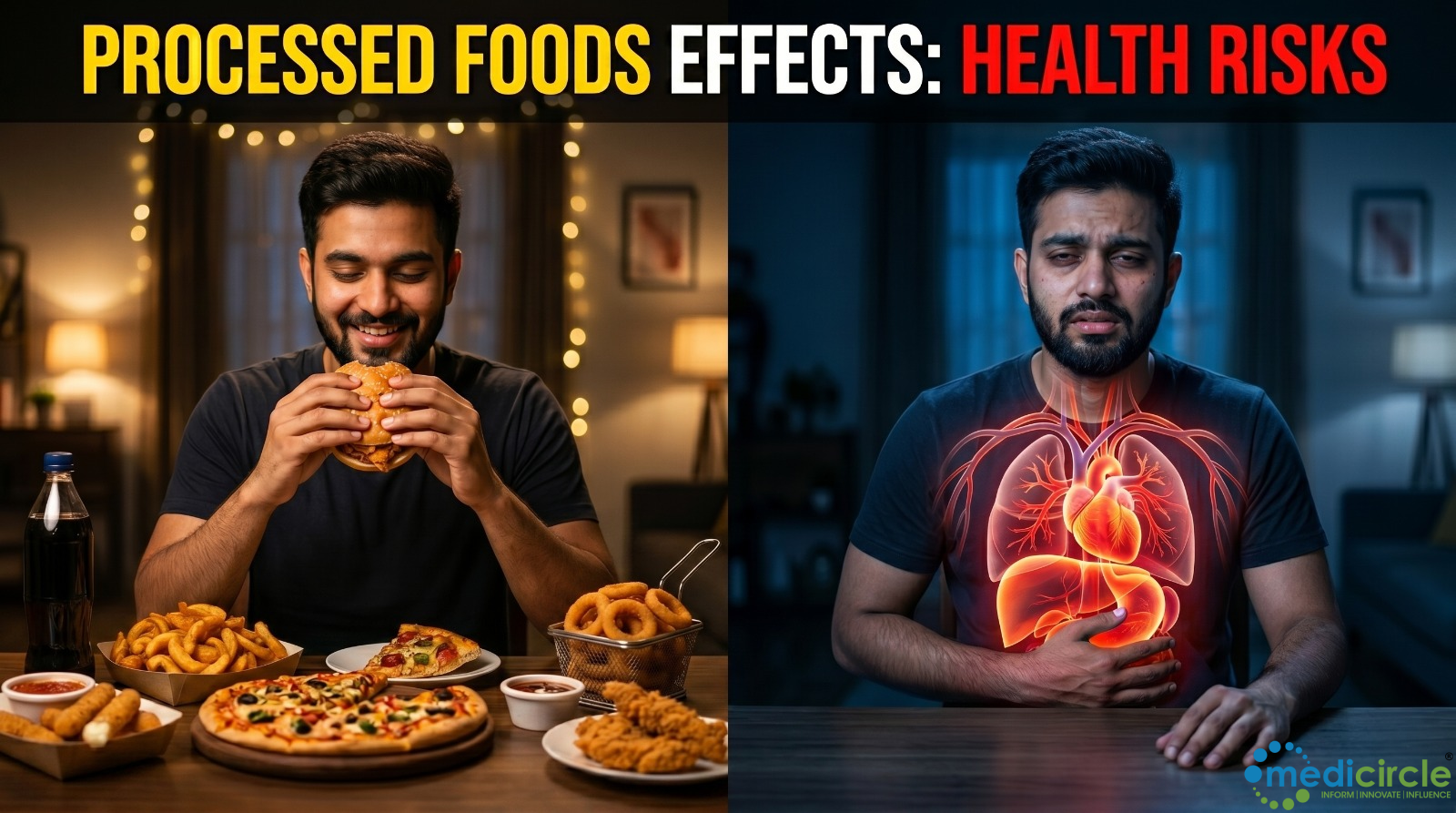
 The growing reliance on ultra processed foods is reshaping dietary habits and health outcomes worldwide. Understanding processed food means and its effects helps individuals make informed, practical food choices for long-term wellness.




How Processed Food Affects Your Health in Everyday Life
Understanding Processed Food: What It Really MeansTo define processed food, it simply refers to any food altered from its natural state. This can range from basic cooking to extensive industrial modification.
However, not all processing is harmful. The key distinction lies in how much a food is altered.
Levels of Food Processing Explained
- Minimally processed food: Washing, cutting, or boiling (e.g., chopped vegetables, boiled grains)
- Moderately processed: Added ingredients like salt or oil (e.g., cheese, bread)
- Ultra processed foods: Industrial formulations with additives, preservatives, and artificial ingredients
When people search for processed food means, they are often referring to this last category—foods far removed from their original form.
What Are Ultra Processed Foods and Why They Matter
Ultra processed foods are designed for convenience, taste, and long shelf life—but often at the cost of nutritional quality.
Common Real-Life Examples
- Packaged chips, biscuits, and sugary cereals
- Instant noodles and ready-to-eat meals
- Soft drinks and sweetened beverages
- Frozen processed snacks
These fall under highly processed foods and are often high in refined sugars and refined carb foods, making them easy to overconsume.
Processed Foods List: What to Recognize and Limit
Understanding a practical processed foods list helps identify what to reduce rather than eliminate everything at once.
Common Categories of Processed Foods
- Processed meat: Sausages, salami, bacon
- Processed grains: White bread, refined flour products
- Refined carbohydrates food list: Pastries, cakes, sugary snacks
- Convenience foods: Packaged meals, frozen dinners
These foods are not inherently harmful in small amounts, but regular intake can impact health over time.
How Processed Food Affects the Body
Impact on Digestion and Energy
Highly processed meals are often low in fiber and nutrients. This affects digestion and leads to quick energy spikes followed by crashes.
In real life:
- A person eating refined snacks may feel full briefly but hungry again soon
- Whole foods provide sustained energy and better satiety
Connection with Inflammation
Many foods that increase inflammation are heavily processed. Additives, trans fats, and excess sugar contribute to internal stress in the body.
Over time, this may be linked with:
- Fatigue
- Digestive discomfort
- Reduced metabolic efficiency
Effect on Weight and Metabolism
Ultra processed foods are calorie-dense but nutrient-poor. This combination makes it easy to consume more calories than needed.
For example:
- Eating packaged snacks while working often leads to mindless overeating
- Whole foods require more chewing and are more filling
Processed Meat and Its Health Considerations
What Is Processed Meat?
To define processed meat, it refers to meat preserved through smoking, curing, or adding chemicals.
Examples include:
- Sausages
- Ham
- Bacon
These foods often contain sodium and preservatives that may affect long-term health when consumed frequently.
Real-World Consumption Patterns
In many urban diets, processed meat is a convenient protein source. However, replacing it occasionally with fresh alternatives like lentils, eggs, or unprocessed meats can improve overall dietary quality.
Refined Carbohydrates and Sugars: Hidden Contributors
Understanding Refined Foods
Refined carbohydrates food includes items where natural fiber is removed during processing.
Examples:
- White rice vs. brown rice
- Refined flour vs. whole wheat
Similarly, refined sugars are added to enhance taste but provide little nutritional value.
How They Affect the Body
- Rapid spikes in blood sugar
- Increased hunger cycles
- Reduced satiety
This explains why diets high in refined carb foods often feel less satisfying.
Processed vs Unprocessed Foods: A Practical Comparison
Instead of eliminating all processed items, understanding balance is more realistic.
Key Differences in Daily Life
- Unprocessed foods: Fruits, vegetables, whole grains
- Processed foods: Packaged snacks, instant meals
A simple shift—like replacing chips with roasted nuts—can significantly improve dietary quality without drastic changes.
The Role of Food Processing in Safety and Preservation
Not all processing is harmful. Some methods are essential for safety and shelf life.
Examples of Beneficial Processing
- Pasteurization: Heating milk to remove harmful bacteria (pasteurization of milk means safer consumption)
- Fermentation: Enhances nutrition (e.g., curd, idli batter)
- Boiling and cooking: Improve digestibility
This shows that processing itself is not the problem—overprocessing is.
Everyday Habits That Increase Processed Food Intake
Modern lifestyles naturally encourage higher consumption of manufactured foods.
Common Triggers
- Busy schedules leading to convenience eating
- Easy availability of packaged snacks
- Marketing and taste preferences
Recognizing these patterns is the first step toward improvement.
Simple Ways to Reduce Processed Food Without Restriction
Practical Adjustments That Work- Replace sugary drinks with water or homemade beverages
- Choose whole fruits instead of packaged desserts
- Cook simple meals at home more often
- Read labels to identify hidden sugars and additives
These steps help reduce reliance on processed food products without making diets restrictive.
Related Health Conditions Linked to Processed DietsWhile occasional consumption is fine, long-term reliance on ultra processed foods may overlap with:
- Digestive issues
- Weight imbalance
- Energy fluctuations
- Increased inflammatory responses
These are not immediate effects but gradual outcomes influenced by dietary patterns.
Building a Balanced Approach to Food ChoicesA sustainable approach does not involve avoiding all processed foods. Instead, it focuses on proportion.
A realistic goal:
- Majority of diet from unprocessed foods
- Occasional inclusion of processed items
This balance supports both convenience and health.
Conclusion: Awareness Over Elimination
Understanding how processed food means different levels of alteration helps create better food habits.
Rather than strict restrictions, awareness and small adjustments can reduce reliance on highly processed foods while maintaining a practical and enjoyable diet.
FAQs
- What are ultra processed foods?
Ultra processed foods are industrial products made with multiple ingredients, additives, and preservatives. They are designed for convenience and taste but often lack essential nutrients.
- How do processed foods affect health?
Processed foods can impact digestion, energy levels, and long-term health when consumed frequently, especially those high in refined sugars and refined carb foods.
- Are all processed foods unhealthy?
No. Some processing methods like cooking or fermentation are beneficial. The concern mainly lies with highly processed foods.
- What is the difference between processed and ultra processed foods?
Processed foods involve basic alterations, while ultra processed foods undergo extensive industrial modification with added chemicals.
- What are examples of processed meat?
Examples of processed meat include sausages, bacon, ham, and salami—foods preserved using chemical or physical methods.
- Why are refined carbohydrates considered unhealthy?
Refined carbohydrates food lacks fiber and causes rapid spikes in blood sugar, leading to increased hunger and lower satiety.
- Can I include processed foods in my diet?
Yes, in moderation. A balanced diet includes mostly unprocessed foods with occasional processed items.
- What are foods that increase inflammation?
Many foods that increase inflammation include sugary snacks, processed meats, and foods high in trans fats.
- How can I reduce processed food intake?
Simple steps like cooking at home, reading labels, and choosing whole foods can reduce reliance on processed items.
- What is the healthiest alternative to processed snacks?
Fresh fruits, nuts, and homemade snacks are healthier alternatives to packaged processed snacks, offering better nutrition and satiety.





-23-300x250.png)

.jpeg)






.jpg)
.jpg)
.jpg)
.jpg)
.jpg)
.jpg)
.jpg)
.jpg)
.jpg)



