 Thursday, October 08, 2026
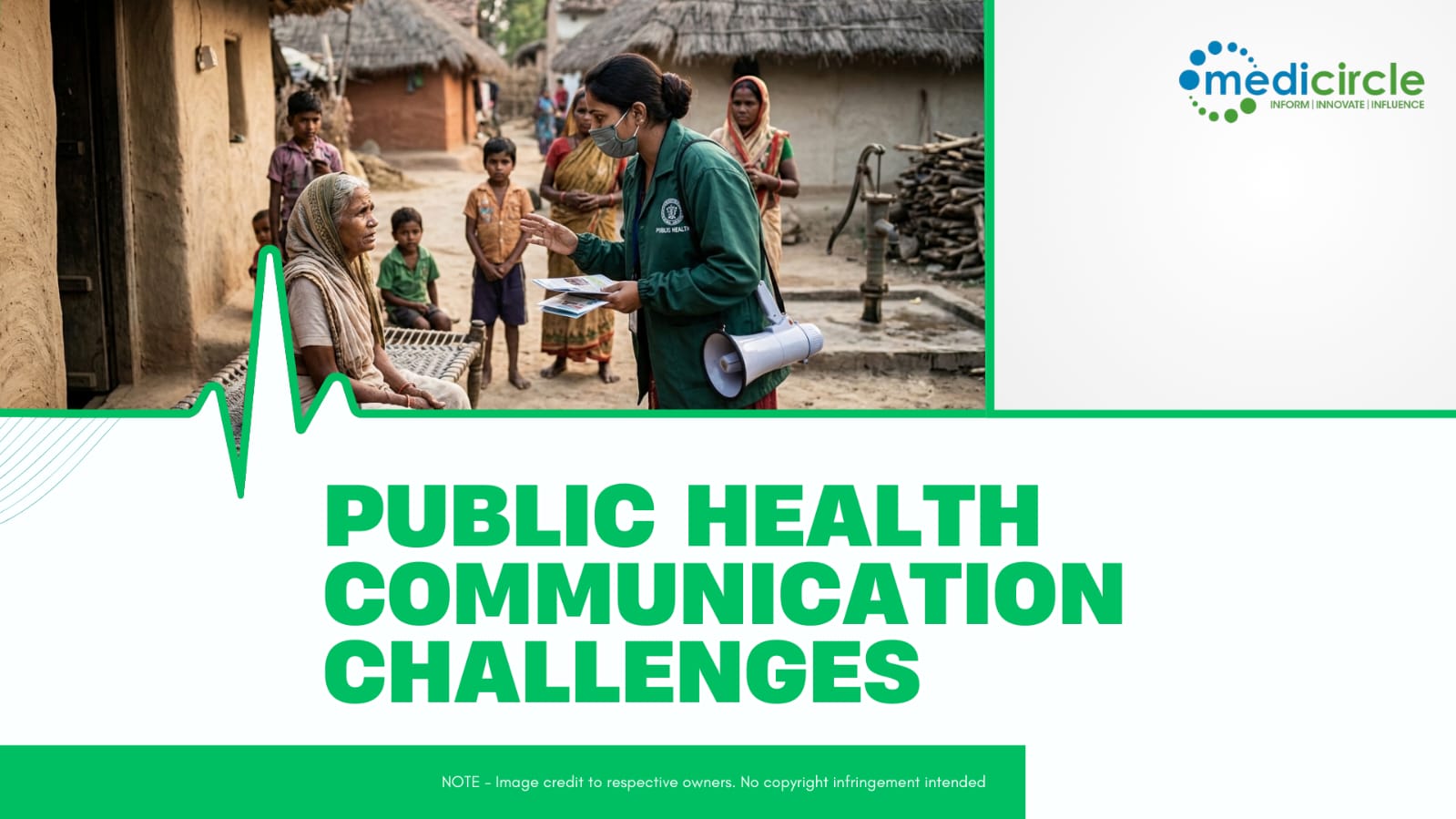
 Improving public health in India requires clear communication that overcomes language barriers and misinformation. By empowering community workers and removing social stigma, we can ensure medical knowledge saves lives.




In a nation as expansive and diverse as India, a medical breakthrough is only as effective as the ability of a person to comprehend it. We live in a land defined by remarkable contradictions. On one hand, India is a global leader in vaccine manufacturing and a premier destination for complex surgical procedures. On the other hand, many families still struggle to obtain basic and reliable health guidance. The gap between the knowledge of a doctor and the well-being of a patient is not merely about the number of hospitals available. It is often a matter of how we communicate with one another regarding our health.
Public health communication is the invisible force that drives every medical success story. From managing a seasonal flu outbreak to executing large vaccination drives, the way we package information determines if people take action or remain hesitant. In the Indian context, this requires a deeply personal approach that reaches beyond generic slogans or mobile applications.
Overcoming Language Barriers:
India is a vibrant mosaic of hundreds of dialects and dozens of official languages. While major cities might rely on English or Hindi, the heart of the country functions in regional tongues. If a health advisory or a prescription is only available in a language that the patient does not fully grasp, a significant knowledge gap is born.
This gap often appears in the way people consume their medicine. A common example involves a patient who stops their medication the moment their fever drops. They are often unaware that finishing the full course is vital to prevent the illness from returning. To fix this, we need cultural translation. This involves using local metaphors and familiar faces to explain medical concepts so they truly resonate with the community.
Fighting Health Misinformation:
We are currently living through an era of extreme information overload. While smartphones have connected us, they have also turned social media platforms into primary sources of medical advice. Unfortunately, unverified information often spreads much faster than medical facts. Some messages even suggest that home remedies are a total replacement for professional medical care.
The goal is not to lecture people or tell them they are wrong. Instead, we must offer a more credible and accessible alternative. We should address misinformation with patience and verified facts. Platforms like MediCircle serve as a vital checkpoint in this journey. They ensure that the conversation remains rooted in science while staying simple enough for everyone to understand.
Removing Social Stigma:
In many parts of our society, health is still considered a private or even a shameful topic. Issues ranging from mental health to reproductive wellness are frequently discussed in hushed tones. This silence is dangerous because it stops people from seeking help until a condition becomes severe.
To change this, we must adjust the tone of the conversation. Health communication should feel supportive rather than clinical or judgmental. When we shift the focus from treating a disease to living a better life, the fear begins to fade. Real stories from neighbors who have managed their health often carry more weight than a generic official announcement.
Connecting Rural India:
While many individuals are comfortable booking a doctor appointment via an app, a large portion of India still lacks reliable internet access. A purely digital health strategy risks leaving millions of people behind. The most effective solution is a hybrid model that combines technology with human interaction.
This involves empowering our frontline heroes such as village health workers and local pharmacists. By giving these trusted individuals simple visual aids, they can act as the human bridge between complex data and families. They are the ones who can look a patient in the eye and explain why a specific treatment matters for their future.
Driving Real Action:
True communication is not just about someone hearing a message. It is about that person doing something productive with that information. Knowing you need a specific medicine is only the first step. The real challenge for many Indians is finding that medicine at a fair price and understanding how to use it safely.
This is where a transparent and circular healthcare ecosystem makes a significant difference. By creating a space where medical resources are managed efficiently, we reduce both panic and waste. We must focus on making sure healthcare is not just something that happens in a hospital. It should be a clear and manageable part of daily life for every citizen.
The Path Forward:
Improving how we talk about health in India is an ongoing commitment. We need to stop talking at people and start talking with them. By respecting our linguistic diversity and putting the right tools in the hands of community workers, we can build a healthier nation. Clear communication is a vital lifeline. When we speak with clarity and honesty, we build the trust necessary to save lives.






.jpeg)








.jpg)
.jpg)
.jpg)
.jpg)
.jpg)
.jpg)


.jpg)
.jpg)
.jpg)