 Monday, October 05, 2026
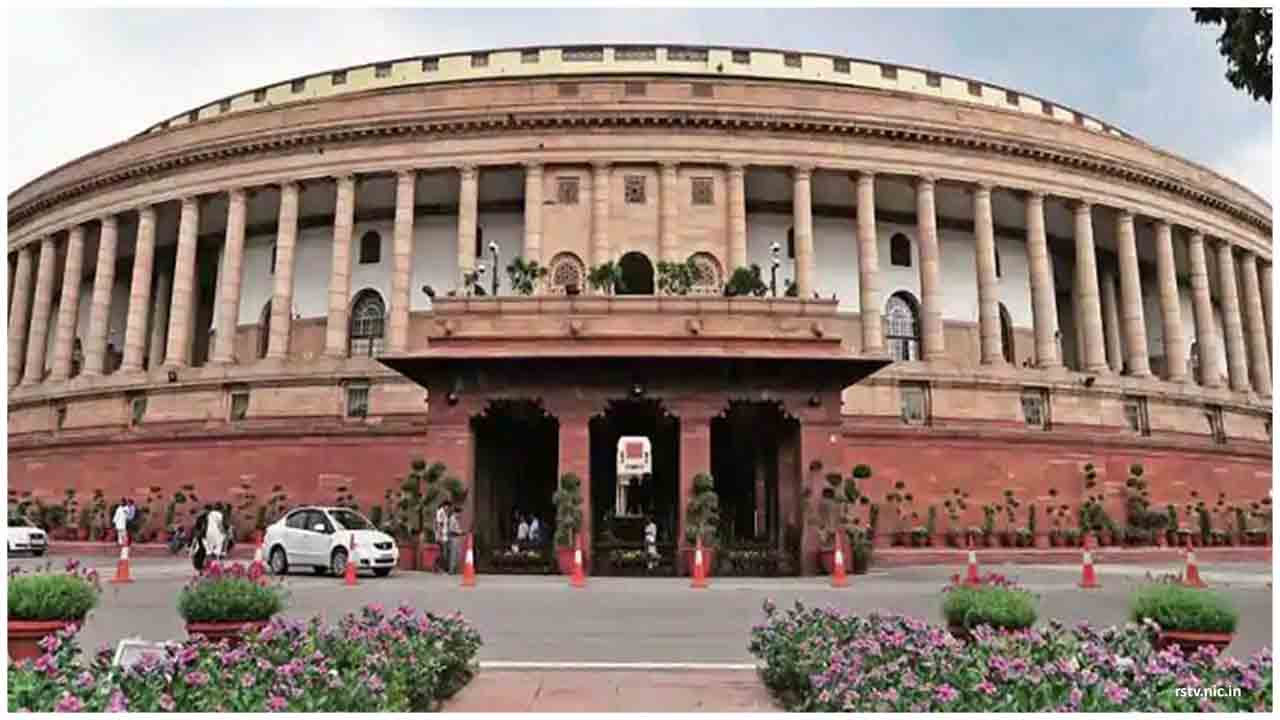
 The Indian Medicine Central Council (Amendment) Bill provides for the constitution of a Central Council which regulates the education and practice of the Indian medicine system including Ayurveda, Yoga, and Naturopathy.




The Rajya Sabha today passed the Homoeopathy Central Council (Amendment) Bill, 2020, and the Indian Medicine Central Council (Amendment) Bill, 2020. Homoeopathy Central Council (Amendment) Bill amends the Homoeopathy Central Council Act, 1973. The Act sets up the Central Council of Homoeopathy which regulates homeopathic education and practice. The bill replaces the Homoeopathy Central Council (Amendment) Ordinance, 2020 which was promulgated in April this year. The legislation amends the 1973 Act to increase the period for the supersession of the Central Council from two years to three years.
The Indian Medicine Central Council (Amendment) Bill amends the Indian Medicine Central Council Act, 1970. The Act provides for the constitution of a Central Council which regulates the education and practice of the Indian medicine system including Ayurveda, Yoga, and Naturopathy. The bill replaces the Indian Medicine Central Council (Amendment) Ordinance, 2020 which was promulgated in April this year. It provides that the Central Council will stand superseded from April this year and the council will be reconstituted within one year from the date of its supersession. In the interim period, the Central Government will constitute a Board of Governors, which will exercise the powers of the Central Council. The Board will consist of up to ten members.
Replying to a discussion on the Bills, Health and Family Welfare Minister Dr. Harsh Vardhan said that the government is committed to bringing the positive changes in the Indian medicine systems in a transparent manner to provide quality health care facilities. He said that Homeopathy, Yoga, and Naturopathy are the ancient medicine systems and these have a scientific basis.
The Minister said that historic decisions have been taken in the health care sector under the guidance of Prime Minister Narendra Modi. He refuted the allegation of biases in the constitution of the Board of Governors adding that it will be set up keeping in mind the quality and competency. He also said the government has no intention of interfering in the autonomy of these bodies. The house also negated the resolutions moved by Congress and Left members objecting to the bills.
Earlier, initiating the discussion, Ripun Bora of Congress questioned the government for delaying the reconstitution of the Homoeopathy Central Council. He accused the government of putting their favorite people in the council. Santanu Sen of TMC raised the issue of transparency in the Board of Governors. Prasanna Acharya of BJD questioned the ordinance route to bring the legislation.
Ram Gopal Yadav of the Samajwadi Party asked the government that there should not be any delay in setting up the councils after the passing of the bills. Dr. Sudhanshu Trivedi of BJP said the bills will ensure quality education and health care system in the country. He said it will also ensure the unified research in the Homeopathy and Allopathy medicine systems. He said India has the potential to become a world leader in the areas of Homeopathy and other ancient medical systems. Tiruchi Siva of DMK, Manoj Jha of RJD, Binoy Viswam of CPI, Sanjay Singh of Aam Aadmi Party, and others also participated in the discussion.





.jpeg)
.jpg)
.jpg)
.jpg)
.jpg)
.jpg)
.jpg)







.jpeg)

.jpeg)


.png)