 Sunday, October 11, 2026
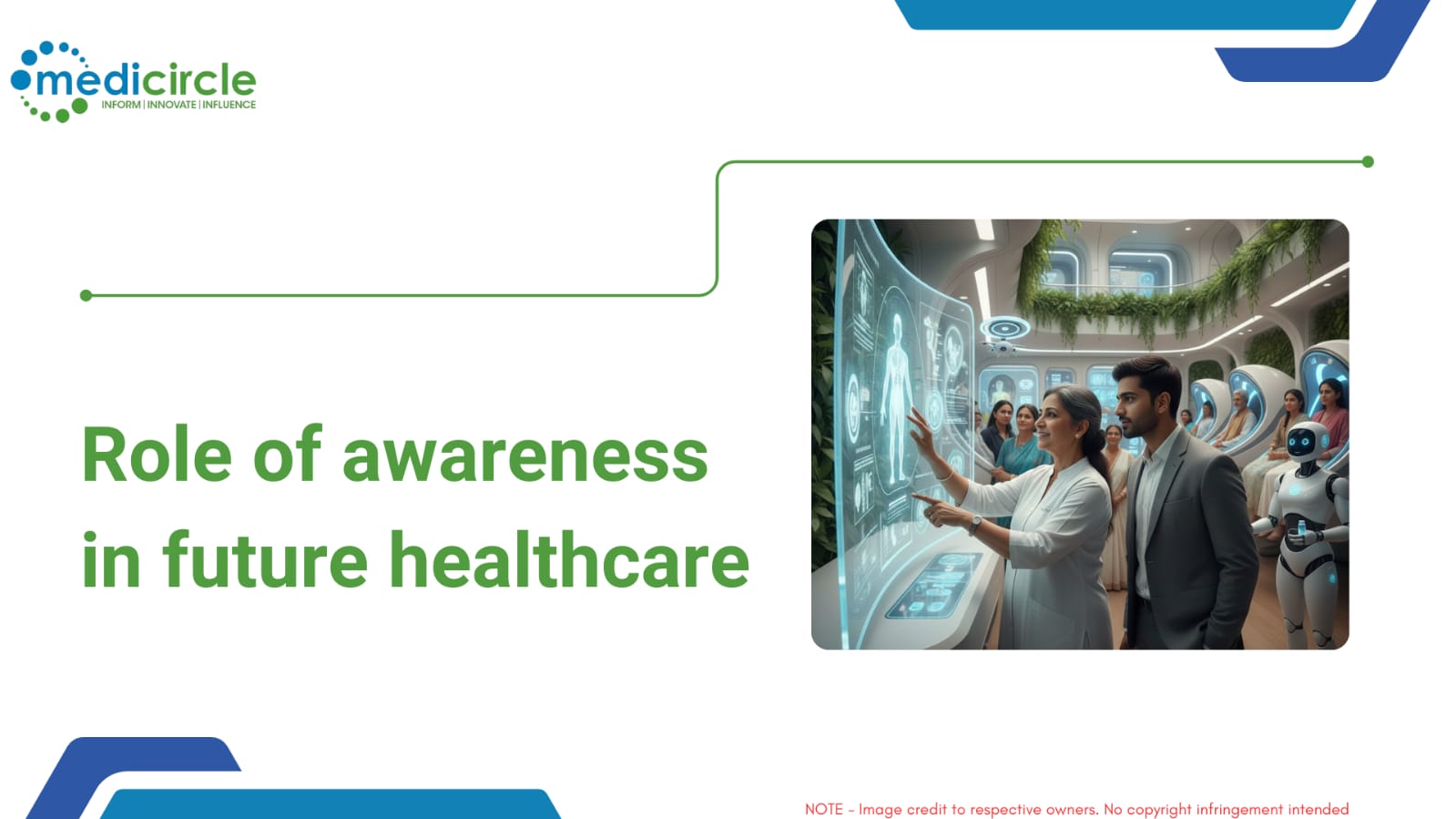
 India’s healthcare future depends not only on technology or infrastructure but on informed individuals whose awareness drives prevention, early detection and sustained participation in their own wellbeing.




India's healthcare conversation is often filled with talk of advanced machines, new hospitals and cutting-edge drugs. These are important without a doubt. But if you listen closely, a quieter more profound idea is gaining ground. The real force that will determine the nation's health is not found solely in a lab or an ICU. It is found in the mind of every individual. It is awareness. For millions of people, the power to prevent illness, to detect it early and to manage it well begins with a simple thing: understanding.
This shift in thinking is subtle but significant. It moves us from a system that just fights disease to one that actively cultivates wellness. This change starts with knowledge that reaches people where they are.
The knowing-doing divide:
We have all been there. We know walking is good for us. We understand that too much sugar or salt is not ideal. We agree that a regular check-up is wise. Yet turning this knowledge into a daily habit is where things often stall. Health experts see this pattern all the time. A patient may comprehend their treatment plan perfectly but sticking to it over months and years is a different challenge altogether.
This gap between what we know and what we do is the central hurdle. Modern health initiatives now aim not just to inform but to inspire action. Consider the widespread effort against diabetes in India. With a vast number of people affected and many unaware of their own condition, the campaign had to do more than broadcast messages. It used tools people use every day such as WhatsApp groups, local radio and social media and combined them with physical testing camps in neighborhoods. The message was clear: Test, Track and Treat. The goal was to move people from passive knowledge to active participation in their own health.
Prevention: The first and best medicine
This is where awareness pays its highest dividend. When someone recognizes the early warning signs of high blood pressure or understands the risk factors for certain cancers, they are empowered to seek help at a time when it matters most. Early action can prevent a lifetime of complications. This focus on prevention is critical for India as lifestyle-related health issues become more common.
National programmes have begun to embed this idea deeply. Schemes that facilitate free health camps in villages or explain health insurance benefits are doing a crucial thing: they are making proactive health choices a tangible reality for families. This transforms the very idea of healthcare from something you seek when you are unwell to something you practice to stay well.
Cutting through the noise:
Today we are surrounded by health information. A quick search on any symptom can lead to a flood of confusing and often contradictory advice. So who does a person trust? This confusion highlights the essential role of credible health platforms.
A website like Medicircle.in for example serves a vital purpose. It acts as a responsible bridge. It takes expert insights from doctors and simplifies them without losing accuracy. It shares real stories from patients which builds connection and trust. For a family navigating a new diagnosis or for someone simply trying to live healthier, such a platform turns overwhelming information into clear actionable steps. In a crowded digital space being a reliable guide is perhaps the most valuable service of all.
What is next?
The journey of health awareness is becoming more intimate thanks to technology. Think about the potential of a simple app on your phone. Future tools will not just track steps; they might offer gentle personalized reminders tailored to your unique health profile. They could prompt you to take your medication, suggest a timely test based on your age and family history or connect you with a doctor for a quick video consultation.
These digital tools from wearable devices to telemedicine promise to make health awareness a continuous supportive companion. They have the potential to deliver quality guidance to the most remote corners of the country making every individual an informed participant in their own wellbeing.
The path forward:
Building a healthier India is not a task for doctors or policymakers alone. It is a collective mission that includes media platforms, innovators, community leaders and most importantly each one of us. It begins with a personal decision to seek out reliable knowledge and to act on it.
So the next time you pause to read a trustworthy health article or you decide to attend a local screening camp or you have a detailed chat with your physician, see it for what it truly is. You are doing more than just consuming information. You are laying a brick in the foundation of a healthier life for yourself and a stronger more resilient nation. In the end the most powerful prescription we have is our own informed awareness. Let us use it wisely.






.jpeg)










.jpg)
.jpg)
.jpg)
.jpg)
.jpg)
.jpg)


.jpg)