Tuesday, October 27, 2026
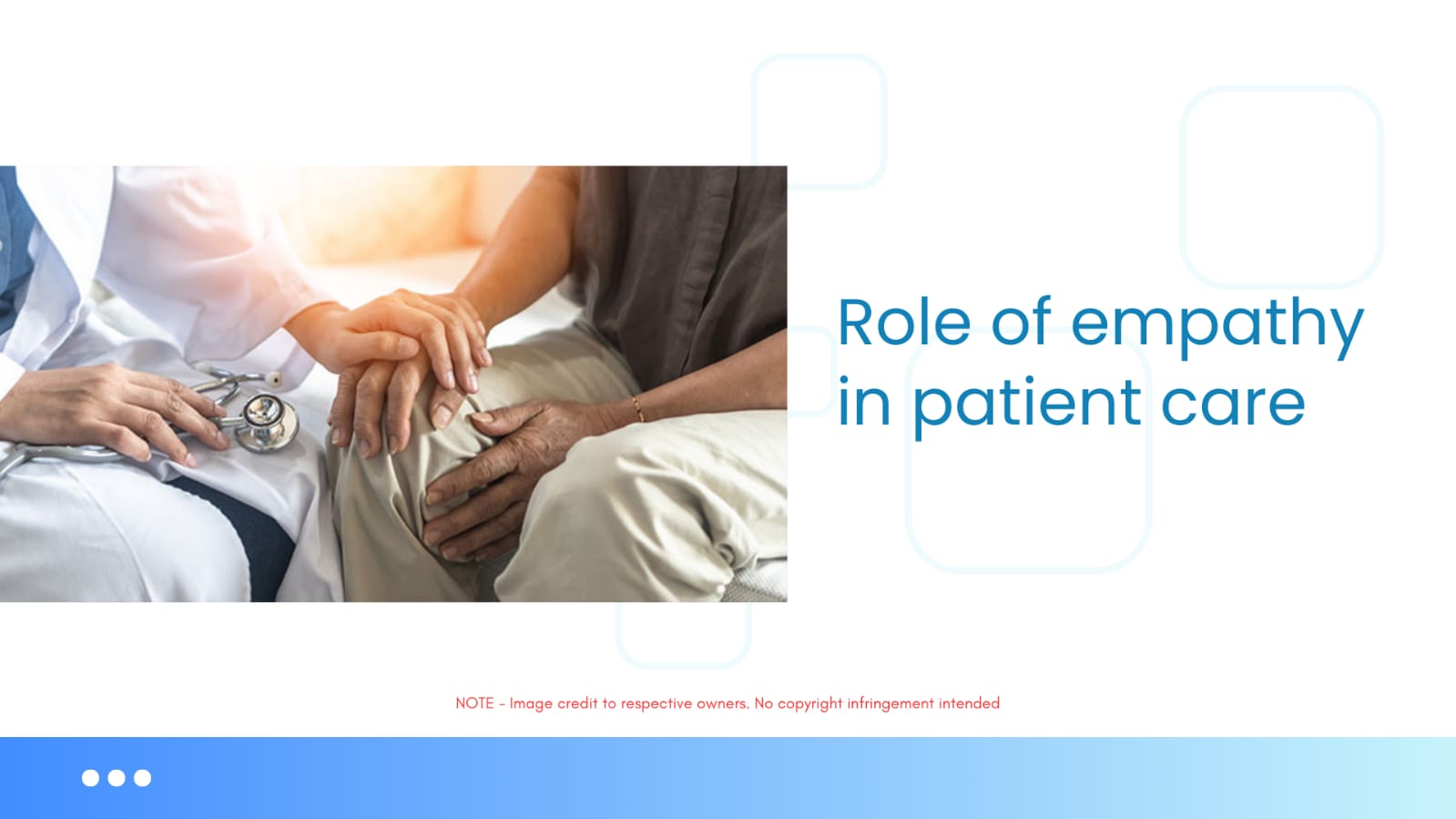
 By prioritizing empathy within the medical system, we transform clinical encounters into human connections. This approach improves patient trust, diagnostic accuracy, and long term recovery for a healthier India.




We currently live in a period of extraordinary medical advancements. From high precision robotics in the surgery room to intelligent software that identifies illness faster than a human, the technical expertise of healthcare in India has reached new heights. However, for a person waiting in a medical facility, technical skill is only one part of the equation. The essential missing element is often the genuine human bond.
While medical science is intended to treat a specific disease, it is empathy that truly restores the person. It serves as the necessary link between a clinical finding and a complete recovery.
Focusing On People:
In the busy world of Indian medical centers, the connection between a provider and a patient can frequently become a simple business transaction. There is a strong temptation to focus only on laboratory reports or imaging results. Nevertheless, a patient is much more than a collection of data points. They are real people who carry significant emotional weight.
When a healthcare worker takes a single moment to recognize the fear of a patient, the entire environment changes immediately. This is not only about being polite to others. Research indicates that when individuals feel understood, their physical bodies react in positive ways. Stress chemicals decrease, which can strengthen the immune system and speed up the natural healing process. By shifting our attention from the illness to the human, we move toward genuine care.
Power of Listening:
People often believe that the most valuable medical insights come from expensive diagnostic tests. In reality, some of the most vital information is found within the story of the patient. Empathy encourages a style of active listening where the professional hears the words and the context behind them.
In a diverse nation like India, cultural traditions and financial limitations play a major role in personal health. A patient might feel hesitant to say that they cannot afford a specific medicine. An empathetic expert creates a safe environment where these difficult truths can be shared. This approach leads to more accurate medical conclusions and prevents errors that happen when communication fails.
Partnerships for Health:
One of the largest obstacles in managing chronic illness is the exhaustion that comes with long term treatment. Many individuals stop taking their pills or miss their appointments once the pain starts to fade. This often happens because they do not feel a personal connection to the medical plan.
Empathy transforms a standard instruction into a collaborative partnership. When a professional explains a plan with true care for the lifestyle of the patient, the individual feels important. They are no longer merely following a set of orders. Instead, they are working toward a common goal. This solid trust is the basis for successful treatment.
Supporting the Caretaker:
It is also vital to consider the effect of empathy on those who provide the care. Medical professionals in India face high levels of pressure and physical exhaustion. Some fear that becoming too close to a patient will be emotionally draining for them.
However, there is a clear distinction between taking on the pain of another and simply understanding it. Practicing empathy can function as a protective barrier. It serves as a reminder for doctors of why they entered this difficult field. Seeing the positive impact of a human connection provides a deep sense of meaning that money cannot replace.
Empathy with Technology:
With the growth of online consultations, some people worry that the personal touch will disappear. Technology does not have to be a wall between people. Instead, it can be a tool that helps us connect.
Digital systems can manage the repetitive paperwork, which leaves more time for real conversation. At platforms like MediCircle, the goal is to use information to help patients. When medical knowledge is clear and easy to find, the relationship becomes more balanced. Empathy in this modern era means providing clear talk and making sure every virtual visit feels supportive.
Simple Impactful Changes
Creating an empathetic medical culture does not require a large budget or new buildings. It begins with basic and intentional habits that anyone can practice:
- Maintain Eye Contact: Looking at the patient during a talk shows that they have your complete attention.
- Use Plain Language: Avoiding difficult medical terms ensures that the patient understands their own care.
- Acknowledge The Fear: Simply stating that you understand their stress can build trust very quickly.
- Respect Cultural Context: Being aware of the background of the patient makes the care more effective.
Healing Together:
The future of healthcare is not a choice between high technology and human kindness. We must use both. We require the best equipment to find a cure, but we also need our humanity to provide healing. Every individual who enters a clinic has a story that deserves to be heard. By putting empathy at the center of care, we change a clinical visit into a supportive experience.





-23-300x250.png)

.jpeg)






.jpg)
.jpg)
.jpg)
.jpg)
.jpg)
.jpg)
.jpg)
.jpg)
.jpg)