 Thursday, October 08, 2026
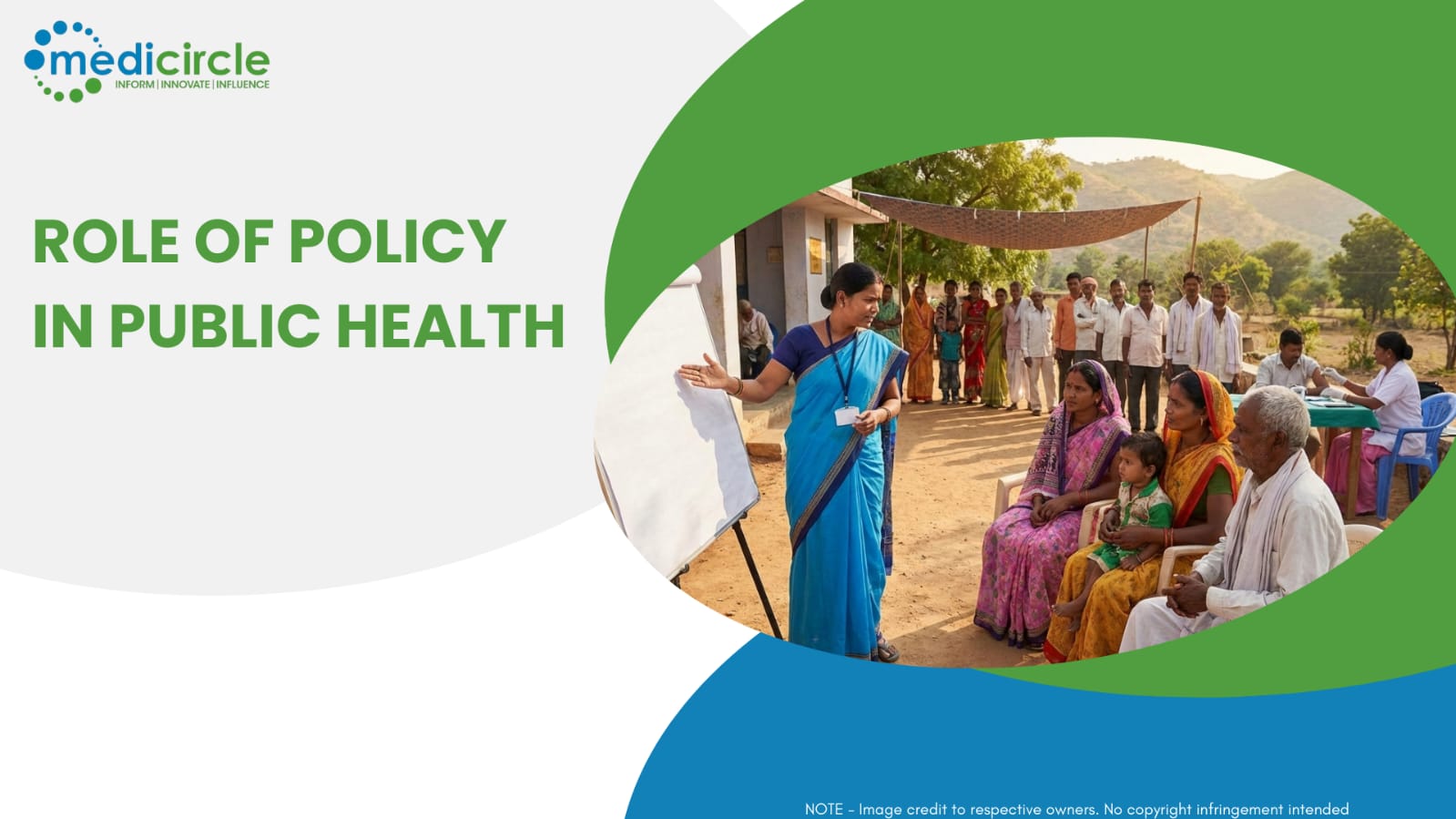
 Public health policy shapes environments, systems, and access to care, guiding prevention, equity, and innovation in India while empowering communities to participate in building a healthier, resilient future.




We notice small changes in our surroundings from time to time. The park where children play may have clearer air during certain months. A local clinic might display a new poster offering free blood pressure checks. These shifts do not happen by accident. They often begin with decisions made in meeting rooms and government buildings. Public health policy serves as the quiet blueprint for a nation’s well-being. This blueprint consists of the collection of laws, programmes, and funds that design the world around us, the world that directly shapes our health. In a country like India, with its incredible diversity, this blueprint represents much more than simple paperwork. It forms the essential foundation for a healthier tomorrow.
Policy in Our Daily Lives:
We may consider policy as a form of long-term prevention. It operates on the scale of entire communities, long before a person ever feels unwell. Consider the rules that ensure our street food is prepared safely, along with the laws that limit factory smoke and the orders that guarantee clean water in villages. These are all policies in action, and they set the stage for public health. Effective policy creates an environment where health can truly flourish. For example, strong policy can dramatically reduce dengue cases through organized systematic fogging drives. In contrast, weaker policy might allow lifestyle illnesses to spread without check, perhaps through the aggressive marketing of sugary drinks to younger people. In simple terms, policy establishes the default health setting for our society. It determines whether maintaining health will be a difficult climb or a supported walk along a clear path.
From Eradication to Systems:
India’s experience with health policy tells a story of enormous scale and lasting determination. A landmark early victory was the nation’s critical role in the global fight to wipe out smallpox. That historic success demonstrated precisely what focused, policy-backed action could achieve for the world.
The focus today has shifted toward building a new healthcare system from the ground up. Several key schemes are now leading this important change. The Ayushman Bharat Pradhan Mantri Jan ArogyaYojana (PM-JAY) stands as a vital support system, protecting countless families from the crushing debt of hospital bills. Working alongside it, the Ayushman Bharat Digital Mission (ABDM) creates a shared digital network for healthcare, which aims to simplify medical records and improve coordination. At the same time, the push to establish 1.5 lakh Health and Wellness Centers is changing the face of basic care by taking services for common illnesses and mental health right into local neighborhoods. These are not separate efforts. They fit together like interconnected pieces of a single puzzle, all aiming for a system where everyone has coverage.
Connecting the Dots:
This process is where public understanding becomes just as important as the policy itself. Complex plans and formal legal terms need to be made clear for everyone involved. This clarity is the space where platforms such as MediCircle operate, with work that involves making sense of important details for the public.
By breaking down complicated government announcements, examining how a scheme like PM-JAY actually works for an average family, and discussing lessons from recent health events, these platforms perform a crucial task for society. They connect the dots for the nation. This important work helps doctors, healthcare businesses, and ordinary people make sense of a continuously changing landscape. When people understand the underlying reason behind a rule, that rule stops being a distant government order. It becomes a practical tool people can actually use in their lives. This kind of informed public conversation is what truly brings a policy to life.
Looking Forward:
A significant amount of work still remains ahead. The journey forward requires policies that are both visionary in their goals and practical in their execution. Future plans must seriously consider everyday mental wellness, prepare for health problems linked to a warming climate, and use smart data to catch disease outbreaks early. The ultimate aim should be a system that is both strong and forward-looking, one that prevents illness before it starts instead of only offering treatment later.
In the end, public health policy represents a promise to guard the well-being of all people. It is a long-term investment in our shared future as a society. When we learn about this quiet blueprint, recognize the progress India has made, and join the conversation through trusted sources, we change our role in the process. We are no longer just bystanders watching from the sidelines. We become active participants in a nationwide effort to make good, sustainable health a reality for every citizen. The plans are already on the table, and now it is time for all of us to help with the building.






.jpeg)








.jpg)
.jpg)
.jpg)
.jpg)
.jpg)
.jpg)


.jpg)
.jpg)
.jpg)