Sunday, October 25, 2026
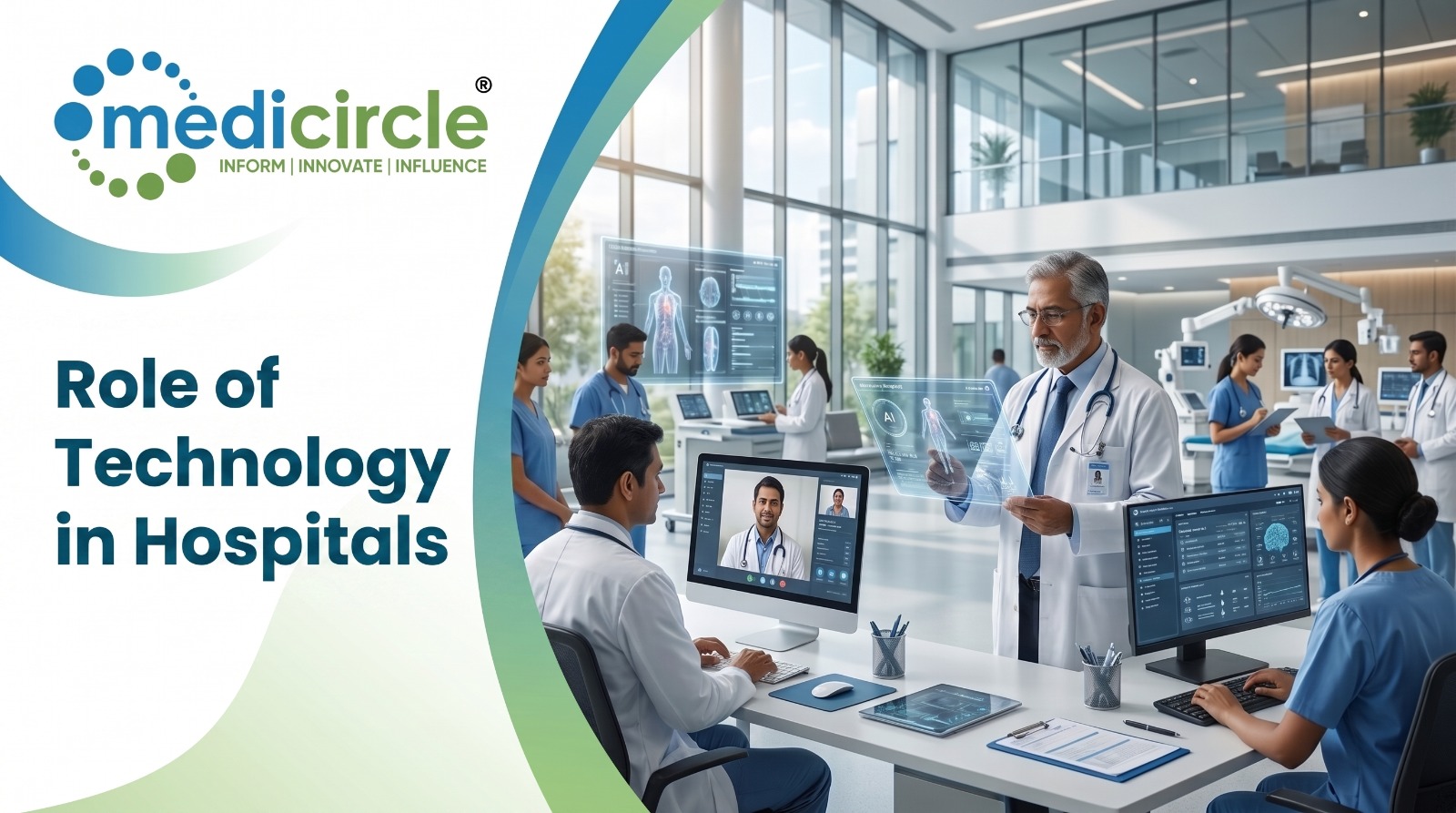
 This article explores how AI, telemedicine, EHRs, and robotics are transforming Indian hospitals, improving diagnosis and access while highlighting persistent data privacy and rural adoption challenges.





Introduction
Hospitals across India are undergoing one of the most significant transformations in their history, driven not by new buildings or bigger wards but by technology quietly working in the background. From the moment a patient books an appointment to the point a discharge summary reaches their phone, digital systems are now involved at almost every step. This shift matters because India carries a substantial burden of disease, an uneven distribution of specialists between cities and villages, and a population that is increasingly comfortable using smartphones for everyday tasks, including health.
The Ayushman Bharat Digital Mission (ABDM) has given this transformation a national backbone, aiming to create a unified digital health ecosystem that connects hospitals, diagnostic labs, and patients through unique health IDs. At the same time, private and public hospitals in Tier 1 and Tier 2 cities are adopting artificial intelligence, electronic health records, and remote monitoring tools to reduce errors, cut waiting times, and extend specialist care to places that previously had none. Understanding how these technologies function, where they help most, and what challenges remain is essential for anyone tracking the future of Indian healthcare, whether a hospital administrator, a doctor, or a patient trying to make sense of a rapidly changing system.
Understanding the Digital Shift in Hospitals
Technology in a hospital setting is not a single tool but a layered system. At the base sit electronic health records (EHRs), which replace paper files with digital patient histories that can be accessed instantly by any authorised clinician within the network. Above that sit diagnostic technologies, such as AI-assisted imaging tools that scan X-rays, CT scans, and MRIs for early signs of disease. Then there are operational systems that manage bed occupancy, staff schedules, and equipment maintenance, often using predictive analytics to anticipate demand before it becomes a crisis.
India's National Digital Health Mission has pushed many public hospitals toward digitisation, though adoption still varies significantly between well-funded urban centres and smaller district hospitals. The National Health Policy has also emphasised the use of technology to improve access and reduce the burden on an already stretched healthcare workforce. According to the World Health Organisation, the world could face a shortfall of 10 million health workers by 2030, with low and middle-income countries bearing the brunt of this gap. For India, where the doctor-to-population ratio remains below WHO-recommended levels in several states, technology is not a luxury but a practical response to a real workforce shortage.
Hospitals accredited by the National Accreditation Board for Hospitals and Healthcare Providers (NABH) are increasingly expected to demonstrate strong data management and patient safety systems, which naturally pushes them toward digital adoption. This is not simply about looking modern. It is about meeting a baseline of quality that Indian patients and regulators now expect.
Key Technologies Transforming Hospital Care
Artificial Intelligence in Diagnosis and Decision SupportArtificial intelligence has moved from being an experimental tool to a working part of diagnostic workflows in many Indian hospitals. AI algorithms trained on large datasets can review medical images and flag anomalies such as tumours, fractures, or early signs of diabetic retinopathy, often with a level of consistency that complements human expertise rather than replacing it. Radiologists and pathologists still make the final call, but AI helps them prioritise urgent cases and reduces the chance of a subtle finding being missed during a long shift.
Predictive models are also being used to identify patients at high risk of complications, such as sepsis or acute kidney injury, sometimes flagging warning signs many hours before they would otherwise be noticed. This kind of early warning can be the difference between a manageable intervention and an emergency.
Telemedicine and Remote ConsultationsTelemedicine has perhaps had the most visible impact on ordinary patients, particularly those in rural or semi-urban parts of India where specialist care has historically meant a long and expensive journey to a city hospital. Video consultations, supported by government platforms as well as private players, allow a patient in a Tier 2 or Tier 3 town to consult a cardiologist or endocrinologist without leaving their district. This has proved especially valuable for routine follow-ups, chronic disease management, and second opinions.
- Reduced travel and lost wages for patients in remote areas
- Faster access to specialists who are concentrated in metro cities
- Continuity of care for chronic conditions like diabetes and hypertension
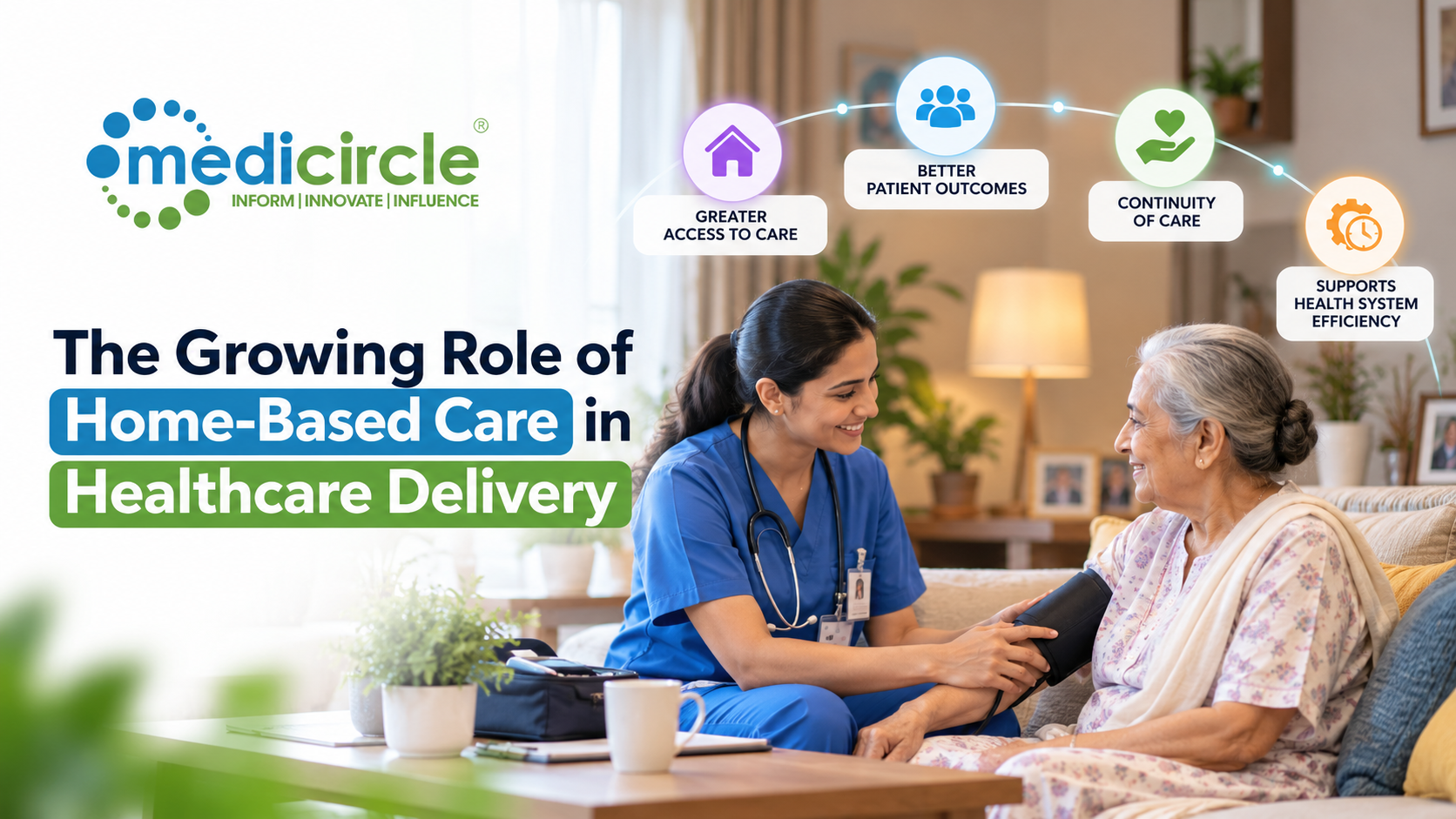
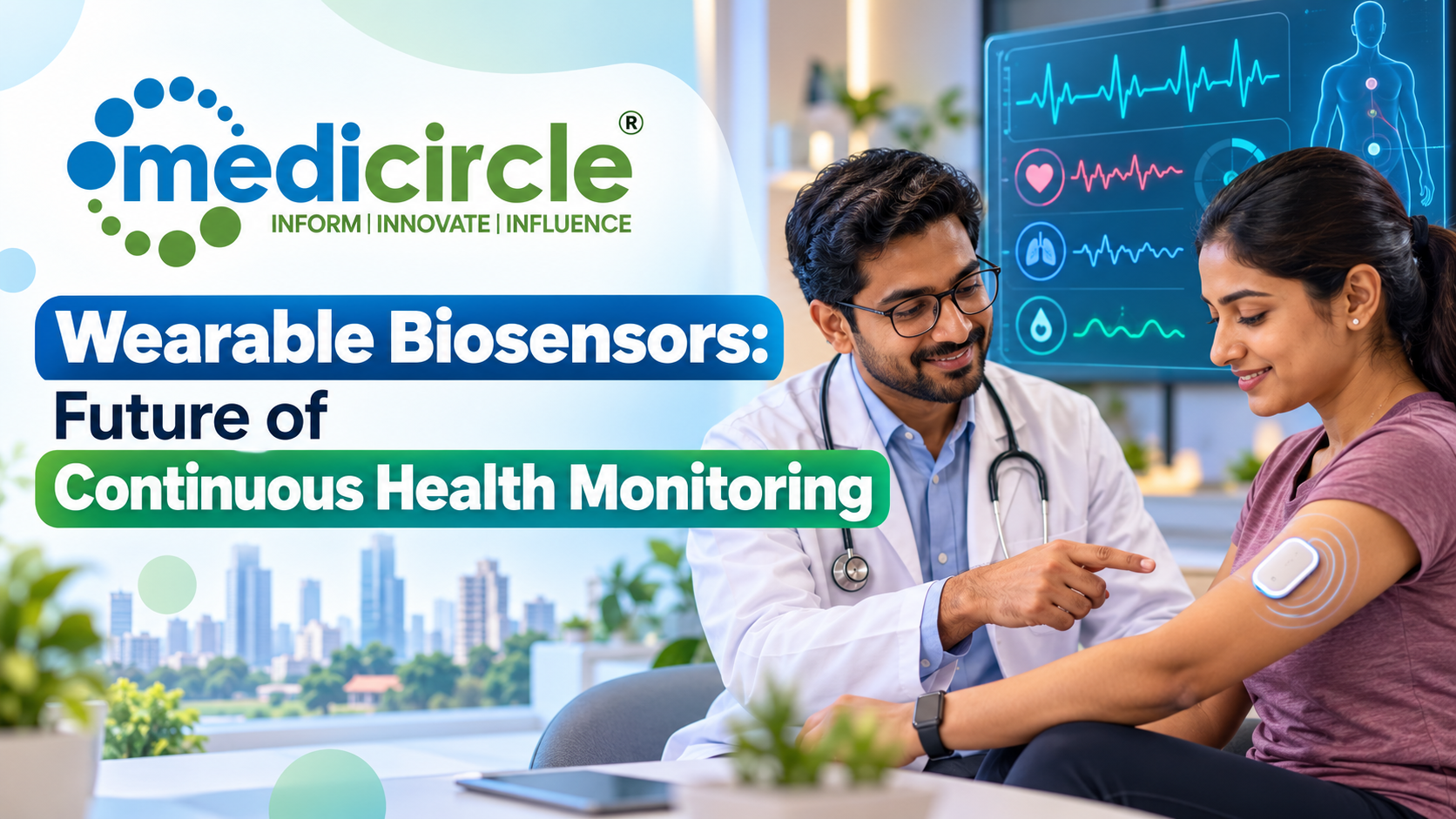
Wearable devices and connected home monitors, such as glucometers and blood pressure cuffs that sync with a phone app, allow hospitals to keep an eye on patients after they have been discharged. This is particularly relevant for India's growing burden of non-communicable diseases. Continuous monitoring can alert a care team to a deteriorating trend before it becomes an emergency room visit, which also helps hospitals manage bed capacity more efficiently.
Electronic Health Records and InteroperabilityA patient who visits multiple hospitals or specialists often ends up with a fragmented medical history scattered across paper files and disconnected systems. EHRs, when properly implemented and made interoperable through frameworks aligned with ABDM, solve this problem by creating a single digital thread that follows the patient. This reduces duplicate testing, lowers costs, and gives emergency physicians immediate access to allergy information, existing conditions, and current medications, which can be lifesaving when a patient arrives unconscious or unable to communicate.
Robotic and Precision SurgeryRobotic-assisted surgery has expanded well beyond a handful of flagship hospitals in Mumbai, Delhi, and Bengaluru. It now features in a growing number of Tier 1 and Tier 2 city hospitals, offering smaller incisions, greater precision, and shorter recovery times for procedures ranging from cardiac surgery to urology. While the upfront cost of this equipment is high, many hospitals view it as a long-term investment that reduces complication rates and shortens hospital stays.
Benefits Hospitals and Patients Are Experiencing
The practical gains from hospital technology adoption tend to fall into a few clear categories. Administrative efficiency has improved significantly, with automated scheduling, digital billing, and inventory management reducing the manual workload on staff who can then focus more time on direct patient care. Diagnostic accuracy has also benefited, particularly in image-heavy specialities like radiology and pathology, where AI-assisted tools help catch findings that might otherwise be missed during a busy day.
Patients, meanwhile, are benefiting from shorter waiting times, easier access to their own health records, and the ability to consult a doctor without necessarily visiting a hospital in person. For elderly patients or those with mobility challenges, this convenience is not a minor comfort but a meaningful improvement in access to care. Hospitals that have implemented strong digital systems also tend to report better coordination between departments, which matters enormously in emergency situations where every minute counts.
Cost efficiency is another underappreciated benefit. Reduced paperwork, fewer duplicate tests, and better resource forecasting all contribute to a leaner cost structure, savings that in a well-functioning system can eventually translate into more affordable care for patients.
Challenges and Risks That Remain
Despite the clear benefits, hospital technology adoption in India faces real obstacles. Data privacy is a growing concern as more patient information moves online. India's Digital Personal Data Protection Act places new obligations on healthcare institutions to protect sensitive patient data, and hospitals must invest in cybersecurity measures that many, particularly smaller ones, are not yet fully equipped to handle.
Interoperability remains another persistent issue. Different hospitals and diagnostic chains often use systems that do not easily communicate with one another, which undermines the promise of a truly connected health record. The digital divide is also a factor worth acknowledging honestly. While urban Tier 1 hospitals may have access to the latest AI diagnostic tools, many rural and district hospitals are still working with limited infrastructure, unreliable internet connectivity, and a shortage of trained staff to operate advanced systems.
There is also the question of algorithmic bias. AI tools trained predominantly on data from certain populations may not perform equally well across India's diverse genetic and demographic landscape, which is why continuous validation of these tools against local patient data remains important. Finally, the human element cannot be overlooked. Technology should support clinical judgement, not replace it, and hospitals need to invest in training staff to use these tools thoughtfully rather than treating them as a substitute for medical expertise.
The Road Ahead for Indian Hospitals
Looking forward, several trends are likely to shape how Indian hospitals continue to adopt technology. Greater integration with ABDM is expected to make health records more portable across the country, allowing a patient's history to follow them from a village clinic to a metro hospital. Artificial intelligence is likely to move deeper into administrative functions as well as clinical ones, helping hospitals forecast patient inflow and manage staffing more precisely.
Government schemes aimed at strengthening digital infrastructure in Tier 2 and Tier 3 cities should gradually narrow the gap between urban and rural hospital capabilities, though this will take sustained investment and policy attention over several years. Partnerships between hospitals, healthtech companies, and academic institutions are also likely to accelerate, bringing more locally relevant and validated tools into everyday clinical use.
For hospitals themselves, platforms like Medicircle play a role in this evolving landscape by giving healthcare leaders, doctors, and hospital administrators a credible space to share how they are approaching digital transformation, discuss lessons learned, and build public trust around new technologies. As hospitals navigate this transition, transparent communication with patients about how their data is used and how new tools support, rather than replace, clinical care will remain central to maintaining trust.
Conclusion
The role of technology in hospitals has moved well past the experimental stage in India. From AI-assisted diagnostics and telemedicine to electronic health records and robotic surgery, these tools are reshaping how care is delivered across the country, often making it faster, more accurate, and more accessible, particularly for patients outside major metro areas. At the same time, real challenges around data privacy, interoperability, and the urban-rural digital divide mean this transformation is still a work in progress rather than a finished achievement. Hospitals, policymakers, and technology providers who continue to work together thoughtfully stand the best chance of ensuring that these advances genuinely benefit patients across every corner of India, not just those in its biggest cities.
Frequently Asked Questions
Q1: What is the biggest benefit of technology in hospitals?
The most significant benefit is improved access to timely and accurate care, achieved through faster diagnostics, remote consultations, and better coordination between departments, which together reduce delays and errors in patient treatment.
Q2: How is artificial intelligence used in Indian hospitals?
AI is primarily used to assist in reviewing medical images, predicting patient deterioration, and supporting administrative tasks like scheduling and resource planning, always working alongside, not instead of, qualified medical professionals.
Q3: Is telemedicine reliable for serious health conditions?
Telemedicine works well for routine consultations, follow-ups, and chronic disease management, but serious or emergency conditions still require in-person examination and, where necessary, hospital admission.
Q4: How does the Ayushman Bharat Digital Mission support hospital technology?
ABDM aims to create a unified digital health ecosystem in India by issuing unique health IDs and encouraging interoperability between hospitals, labs, and pharmacies, making patient records more portable and accessible.
Q5: Are hospitals in smaller Indian cities adopting the same technology as metro hospitals?
Adoption is growing in Tier 2 and Tier 3 cities, but a gap still exists compared to metro hospitals, largely due to differences in infrastructure, funding, and availability of trained technical staff.
Resources
- World Health Organisation: Reports on Global Health Workforce Shortages
- Ayushman Bharat Digital Mission Official Documentation
- National Accreditation Board for Hospitals and Healthcare Providers Standards
- Ministry of Health and Family Welfare Digital Health Initiatives
- Indian Council of Medical Research Publications on Health Technology
Interlinking Keywords
electronic health records India, telemedicine in India, AI in diagnostics, hospital digital transformation, Ayushman Bharat Digital Mission, robotic surgery India, remote patient monitoring
Last medically reviewed by:
Medicircle Editorial Team on July 10, 2026
Medical Disclaimer:
The information provided in this article is intended for general awareness and educational purposes only. It does not constitute medical advice, diagnosis, or treatment recommendations. Hospitals, healthcare providers, and technology solutions mentioned in this article may vary in availability and applicability depending on individual circumstances. Readers are advised to consult a qualified healthcare professional or their treating doctor before making any decisions related to their health, medical care, or the adoption of health technologies. Medicircle does not endorse any specific product, platform, or service mentioned in this article, and all such references are for informational context only.





-23-300x250.png)

.jpeg)


.jpg)
.jpg)
.jpg)
.jpg)
.jpg)
.jpg)
.jpg)
.jpg)
.jpg)