 Tuesday, October 27, 2026
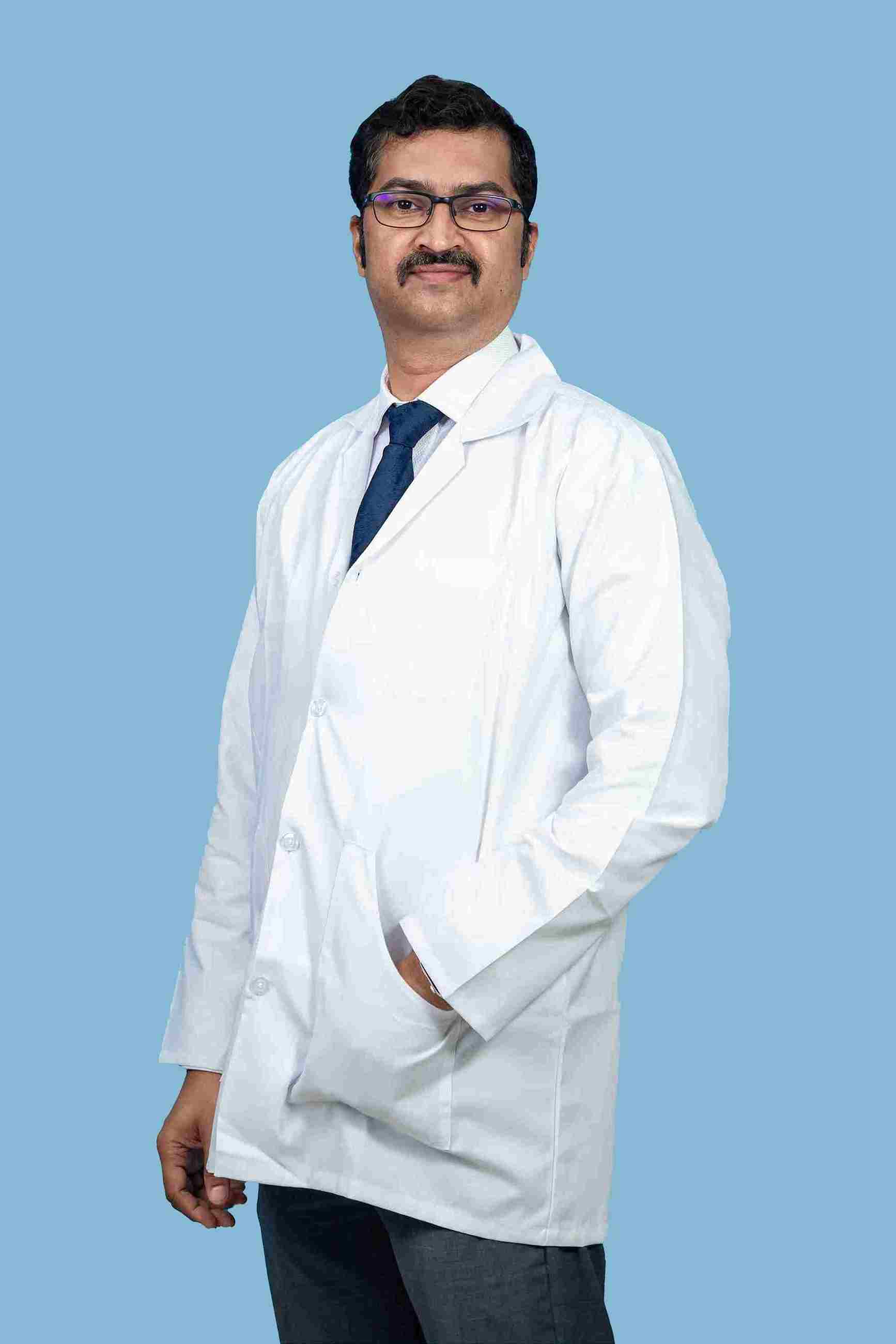
 Spinal disorders have been recognised since ancient times, with references dating back to 1500 BC. Over centuries, treatment of spine problems has evolved from basic supportive care to today’s highly advanced and precise surgical techniques.




Spinal disorders have been recognised since ancient times, with references dating back to 1500 BC. Over centuries, treatment of spine problems has evolved from basic supportive care to today’s highly advanced and precise surgical techniques. Even now, most spine conditions do not require surgery and can be effectively managed with conservative measures such as medications, physiotherapy, lifestyle modifications, posture correction, exercises, core strengthening, bracing in selected cases, and image-guided pain procedures. However, in certain situations, surgery becomes the best option to relieve nerve pressure, correct instability, restore alignment, or prevent worsening neurological problems. Naturally, patients often feel anxious about spine surgery due to the fear of complications. This fear is understandable, but many concerns come from outdated misconceptions. The truth is that modern spine surgery is far safer today than ever before, thanks to major advances in diagnosis, technology, implants, surgical techniques, and specialised training.
What led to the fear and misconception?
The spine is a unique structure because it not only supports the body, but also protects the spinal cord and nerve roots, which carry signals between the brain and the rest of the body. Because these structures are delicate, people often believe spine surgery is high risk. This perception was strengthened decades ago when outcomes were sometimes poor due to limited understanding of spinal biomechanics, lack of reliable implants and instrumentation, inadequate imaging guidance, less refined surgical techniques, and variable training and experience in spine surgery. This created a long-standing myth that spine surgery leads to paralysis.
In reality, serious neurological complications are very rare, especially when surgery is done for the right indication and with modern safety protocols.
When is spine sugary necessary?
Most patients improve without surgery, but surgery may be recommended when there is progressive nerve damage such as increasing weakness, foot drop, worsening numbness, or difficulty walking due to nerve compression. It may also be required in patients with severe pain that does not respond to treatment and continues to affect sleep, work, and overall quality of life despite adequate conservative management. Another important indication is spinal instability, which may occur due to slippage of vertebrae, trauma-related instability, or collapse following infection or tumours. Spinal deformities such as scoliosis, kyphosis, and adult deformity may also require surgery when they are progressive and lead to imbalance affecting posture and function. Certain emergency conditions such as cauda equina syndrome with bladder or bowel symptoms, spinal infections with neurological compromise, and tumours compressing the spinal cord may require urgent surgical intervention. The most important factor in deciding surgery is proper patient selection and correct diagnosis.
Modern spine surgery is very safe
Modern spine surgery is built on a combination of precision, planning, protection, and proven protocols. Today, spine problems are diagnosed early and more accurately with advanced imaging such as MRI, which is best for evaluating nerves, discs, and the spinal cord, CT scans that help understand bony anatomy and plan fixation, and dynamic X-rays such as flexion-extension views that assess instability. In older patients, bone density assessment is also important, as it influences implant safety and fusion success. Better diagnosis leads to better decision-making and safer outcomes.
A major improvement in spine surgery safety is the detailed preparation that happens before the operation. Modern spine teams focus on optimising medical conditions such as diabetes, blood pressure, and thyroid disorders. Smoking cessation is strongly encouraged as it improves fusion and wound healing. Osteoporosis is treated when needed to reduce fixation failure. Patients may also undergo prehabilitation to improve strength and conditioning before surgery, and anaesthesia assessments are performed to evaluate fitness for surgery. These measures reduce complications and help speed up recovery.
Modern operating theatres use real-time imaging support that allows surgeons to confirm accuracy during surgery. This includes fluoroscopy using a C-arm, and in selected cases, 3D imaging systems such as O-arm or intraoperative CT. These tools help in precise implant placement and reduce the risk to nerves. One of the biggest safety upgrades in spine surgery is the use of computer navigation and robotic-assisted spine surgery in selected cases. These technologies improve accuracy, especially in pedicle screw placement, complex deformity cases, revision surgeries, and minimally invasive fixation. This reduces implant-related errors and improves consistency.
Intra-operative Neuro-monitoring
For surgeries where the spinal cord is at higher risk, particularly deformity correction, tumours, and complex reconstructions, surgeons use intraoperative neuromonitoring such as SSEP, MEP, and EMG. These systems act like a real-time alarm, warning the surgical team if the nerves are under stress, allowing immediate correction before permanent injury occurs.
Minimally invasive spine surgery
Modern spine surgery also increasingly uses minimally invasive approaches where suitable. These techniques result in smaller incisions, less muscle damage, reduced blood loss, less postoperative pain, faster mobilisation, quicker recovery, and shorter hospital stay. Minimally invasive techniques are commonly used for disc prolapse surgeries, lumbar decompressions, fixation in selected cases, and some fractures and infections. While not every case requires minimally invasive surgery, when chosen appropriately it can significantly improve recovery.
Spine implants have also evolved greatly. Modern systems provide stronger and safer fixation, improved compatibility with varying bone quality, better deformity correction tools, and more reliable fusion constructs. Surgeons today have a deeper understanding of spinal balance, sagittal
alignment, load sharing, and motion preservation principles in selected cases. This improves long-term outcomes and reduces the need for repeat surgeries. Safety is not only about the surgeon, but also about the system around the surgery. Today’s protocols include safer anaesthesia and continuous monitoring, controlled blood loss strategies, improved pain management through multimodal analgesia, strict sterilisation and infection prevention bundles, and early mobilisation protocols. These advances have significantly reduced complications compared to earlier decades.
Recovery is now more structured and guided through early walking and mobilisation, physiotherapy-based rehabilitation, posture training, core strengthening, and return-to-work planning. This helps patients regain confidence and function more quickly. Like any surgery, spine surgery does have risks, but with modern techniques and proper case selection, serious complications are uncommon. Most issues, if they occur, are usually manageable and may include temporary nerve irritation, mild wound problems, or short-term stiffness and soreness, along with the need for physiotherapy and time to recover. Major complications are rare, especially when surgery is performed by a trained spine specialist in a well-equipped setup.
Trained and focussed spine surgeon
The greatest contributor to safety is appropriate decision-making. Today the speciality of Spine Surgery has obtained a special place for itself. Spine surgeons may come form Orthopaedic or Neurosurgery background but both need to have a specialised training and should be primarily focussed on spine surgery to be able to achieve best results with minimal complications consistently. A good spine surgeon always focuses on confirming the diagnosis, ensuring surgery is truly necessary, choosing the least invasive effective option, explaining realistic outcomes and the recovery timeline, and using technology and safety protocols when needed.
Spine surgery is not about doing more surgery, but about doing the right surgery for the right reason.
Conclusion
Spine surgery has transformed dramatically in the last few decades, and with advances in imaging and early diagnosis, navigation and 3D guidance, neuromonitoring, minimally invasive techniques, improved implants and biomechanics, and safer anaesthesia and recovery protocols, spine surgery has become highly precise, reliable, and significantly safer. With the right evaluation and timely treatment, many patients can return to a better quality of life with reduced pain, improved mobility, and restored confidence.
If you have a spine problem, it is always best to consult a spine specialist to understand whether your condition needs conservative care, intervention, or surgery, and what the safest option is for you.





-23-300x250.png)

.jpeg)






.jpg)
.jpg)
.jpg)
.jpg)
.jpg)
.jpg)
.jpg)
.jpg)
.jpg)



