 Thursday, October 08, 2026
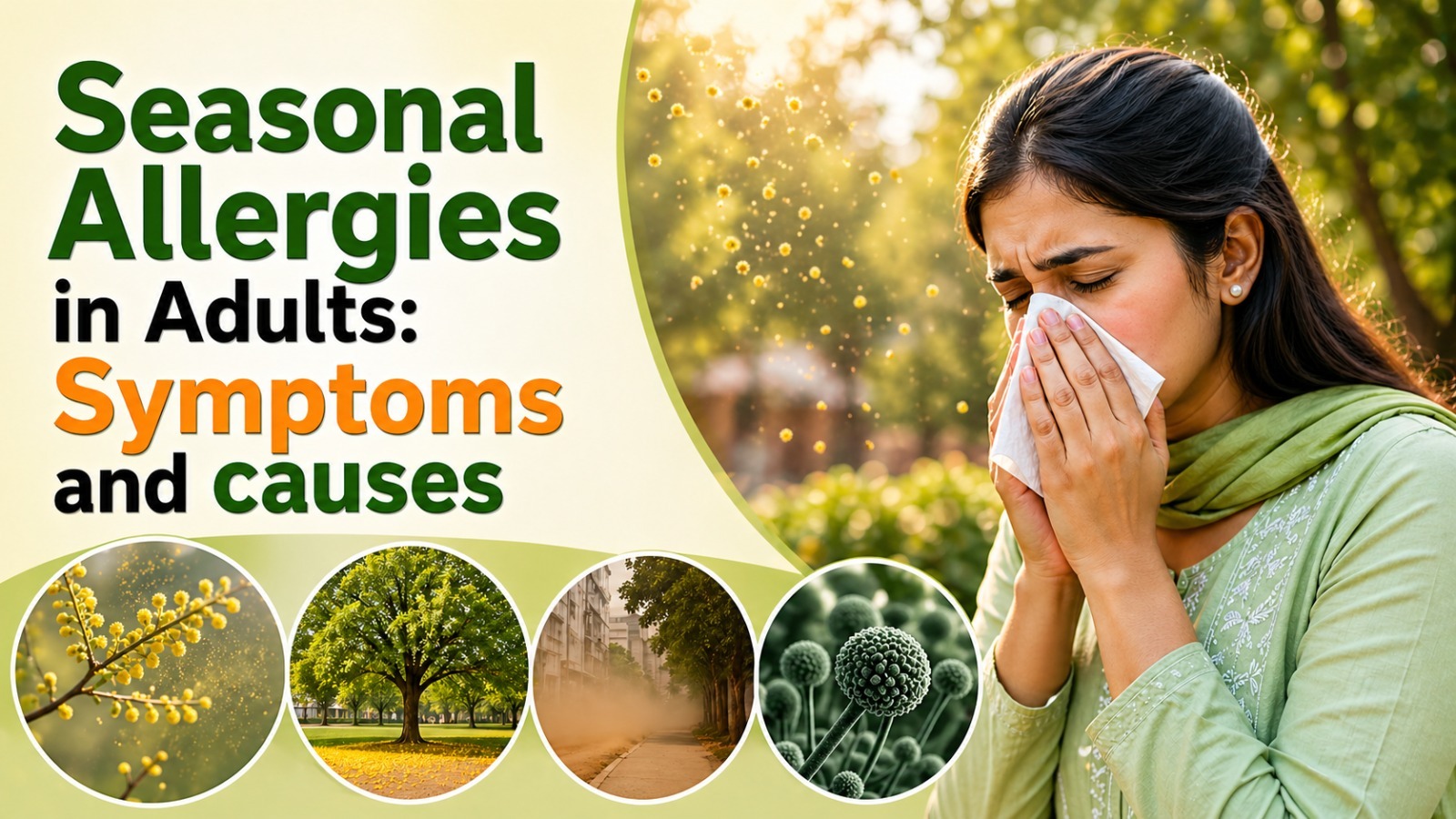
 Seasonal allergies in adults often mimic common conditions, making early recognition difficult. Understanding pollen allergy symptoms and seasonal patterns helps manage symptoms effectively and improve daily comfort.




Seasonal allergies often go unnoticed in adults because their symptoms look similar to common illnesses. Many people confuse seasonal allergy symptoms with a cold, flu, or even fatigue-related issues. This confusion delays proper care and makes symptoms feel more intense over time. Understanding seasonal allergies early helps in managing triggers and avoiding unnecessary discomfort.
Why Seasonal Allergies in Adults Often Go Unrecognized
Adults tend to dismiss symptoms like sneezing, fatigue, or congestion as minor issues. However, symptoms of seasonal allergies in adults behave differently compared to childhood allergies. They often develop gradually and appear during specific times of the year, making them harder to identify.
One key reason is overlap with daily lifestyle stress. Adults may attribute symptoms like headaches or tiredness to work pressure rather than pollen allergy symptoms. Another factor is environmental exposure. Urban living, indoor air circulation, and long working hours reduce awareness of seasonal triggers.
Unlike infections, allergies do not always present with obvious signs like fever. This makes severe seasonal allergy symptoms harder to detect early. In real-life scenarios, many individuals continue daily routines while symptoms slowly intensify, eventually affecting sleep, productivity, and concentration.
Recognizing patterns is essential. If symptoms repeat during certain months or worsen outdoors, it is likely linked to spring allergies or summer allergies rather than temporary illness.
How Pollen Triggers Reactions Inside the Body
Understanding why allergies occur helps explain their behavior. When pollen enters the body, the immune system treats it as a threat. This leads to a chain reaction where the body releases substances that cause irritation.
In cases of tree pollen allergy or grass allergy, the body reacts by producing mucus, triggering sneezing, and causing inflammation in the nasal passages. These reactions are not harmful by themselves but are responses to perceived threats.
Different pollen types trigger symptoms at different times. Spring allergy symptoms are often linked to tree pollen, while grass pollen allergy symptoms appear later in the season. This variation explains why some people experience symptoms for extended periods.
In real-world conditions, exposure increases during outdoor activities, travel, or even simple daily routines. Even indoor environments can carry pollen through clothing or ventilation systems. This is why symptoms may persist even when staying indoors.
Symptoms That Feel Like Something Else
One of the biggest challenges with seasonal allergies is that symptoms closely resemble other conditions. This overlap creates confusion and often leads to misinterpretation.
- Cold-like symptoms without fever
Many people experience sneezing, congestion, and runny nose, which are similar to a common cold. However, unlike infections, allergies do not usually involve fever. These pollen allergy symptoms may last longer than a typical cold. - Fatigue and mental fog mistaken for stress
Allergies can cause tiredness and reduced focus. This often gets confused with burnout or lack of sleep, especially in adults managing busy schedules. - Sinus pressure that feels like infection
Persistent pressure around the eyes or forehead may resemble sinus infections. In reality, it could be linked to grass allergy symptoms or prolonged exposure to allergens. - Breathing discomfort that mimics mild respiratory issues
Some individuals experience chest tightness or discomfort, which may be mistaken for other conditions but can be part of severe pollen allergy symptoms.
These overlapping symptoms explain why many adults delay identifying symptoms of pollen allergies in adults, leading to prolonged discomfort.
Seasonal Patterns and How They Affect Symptoms
Allergies change with seasons, and understanding this pattern helps in early recognition. Each season brings different triggers, and symptoms vary accordingly.
During spring, spring allergies are commonly linked to tree pollen. In summer, summer allergy symptoms often arise from grass and outdoor exposure. In colder months, winter allergies are usually connected to indoor triggers rather than pollen.
This variation creates confusion because symptoms may not remain consistent. For example, winter allergy symptoms may involve dryness and irritation, while summer symptoms may include sneezing and congestion.
In real-life situations, people often experience overlapping triggers. A person may deal with grass allergy in summer and indoor allergens in winter, creating a continuous cycle of discomfort.
Understanding these patterns helps individuals prepare in advance and manage exposure effectively.
Why Some Adults Experience Severe Reactions
Not everyone experiences allergies in the same way. Some individuals develop severe seasonal allergy symptoms, while others have mild discomfort.
The intensity depends on factors such as immune sensitivity, environmental exposure, and lifestyle habits. Individuals who spend more time outdoors may experience stronger reactions to grass pollen allergy symptoms or tree pollen allergy.
Repeated exposure without proper management can also increase sensitivity over time. This leads to severe pollen allergy symptoms, where even minimal exposure triggers strong reactions.
Another factor is cumulative exposure. Daily exposure to allergens without relief can make symptoms feel worse. This explains why some people experience symptoms continuously rather than occasionally.
Practical Ways to Manage Seasonal Allergies at Home
Managing allergies does not always require complex solutions. Many individuals look for pollen allergy treatment at home and simple ways to reduce exposure.
- Maintain clean indoor air to reduce allergen buildup
Keeping living spaces clean and well-ventilated helps reduce pollen accumulation. Regular cleaning prevents allergens from settling on surfaces. - Limit exposure during high pollen periods
Avoiding outdoor activities during peak pollen times helps reduce symptoms. This is especially useful for managing spring allergy symptoms. - Use simple routines to reduce allergen transfer
Changing clothes and washing hands after coming indoors helps prevent pollen from spreading inside. - Stay aware of seasonal patterns and triggers
Understanding when symptoms appear helps in planning daily activities and reducing exposure.
These approaches support seasonal allergy relief and help manage symptoms effectively.
Treatment Options and Long-Term Management Approaches
While home-based practices are helpful, some individuals require structured seasonal allergies treatment. This includes both short-term and long-term approaches.
For immediate relief, people often rely on simple methods to reduce symptoms. However, for persistent cases, options like allergy shots for seasonal allergies may be considered as part of long-term management.
For conditions like grass allergy, specific approaches such as grass allergy treatment help reduce sensitivity over time. These methods aim to improve tolerance rather than just control symptoms.
In real-world scenarios, individuals often combine multiple approaches. They use daily management techniques along with long-term strategies to maintain comfort throughout the year.
Conclusion
Seasonal allergies in adults often go unnoticed because their symptoms resemble other conditions. Understanding seasonal allergy symptoms, recognizing patterns, and identifying triggers are essential for effective management.
By observing how symptoms behave and applying simple strategies, it becomes easier to manage discomfort and improve daily life. Awareness remains the most important step in achieving consistent seasonal allergy relief.
Frequently Asked Questions (FAQs)
1. Can seasonal allergies develop in adults even if I never had them before?Yes, seasonal allergies can develop later in life due to changes in environment, immune response, or lifestyle exposure. Adults may suddenly notice symptoms of seasonal allergies in adults after moving to a new area or experiencing repeated exposure to allergens like pollen. This delayed onset often makes it harder to identify early.
2. Why do pollen allergy symptoms feel worse on some days than others?The intensity of pollen allergy symptoms depends on daily pollen levels, weather conditions, and outdoor exposure. Windy or dry days often increase airborne pollen, leading to stronger reactions. This variation explains why severe pollen allergy symptoms may appear suddenly even if symptoms were mild earlier.
3. How can I tell if my symptoms are from grass allergy or something else?Grass allergy symptoms usually appear during warmer months and include sneezing, itchy eyes, and nasal irritation after outdoor exposure. If symptoms increase after being in parks or grassy areas, it may indicate a grass allergy rather than a general cold or fatigue.
4. Do seasonal allergies affect sleep and energy levels?Yes, ongoing congestion and irritation can disrupt sleep patterns, leading to fatigue. Many people with severe seasonal allergy symptoms experience low energy during the day. Poor sleep combined with constant irritation can affect focus and overall daily performance.
5. Are summer allergies different from spring allergies?Yes, summer allergies are often linked to grass and outdoor allergens, while spring allergies are commonly caused by tree pollen. This difference in triggers explains why summer allergy symptoms may feel different in intensity and duration compared to spring-related reactions.
6. Can indoor environments trigger symptoms similar to seasonal allergies?Yes, indoor conditions can worsen symptoms, especially during colder months. Winter allergies are often linked to dust, indoor air circulation, and reduced ventilation. These triggers can cause winter allergy symptoms that feel similar to seasonal reactions.
7. How effective are home-based methods for managing pollen allergies?Simple approaches like maintaining indoor cleanliness and limiting exposure can support pollen allergy treatment at home. These methods help reduce allergen contact and improve comfort, contributing to overall seasonal allergy relief.
8. What makes some people experience more severe allergy reactions than others?The severity of reactions depends on immune sensitivity, exposure levels, and lifestyle patterns. Individuals exposed frequently to allergens like tree pollen allergy may develop stronger reactions, leading to severe seasonal allergy symptoms over time.
9. How do long-term treatments help in managing allergies?Long-term options like allergy shots for seasonal allergies aim to reduce sensitivity to allergens. These approaches focus on improving tolerance and are often used alongside regular seasonal allergies treatment methods.
10. Can seasonal allergies affect breathing or chest comfort?Yes, in some cases, allergies can cause mild breathing discomfort or chest tightness. These effects may be linked to symptoms of pollen allergies in adults and can become more noticeable in cases of severe pollen allergy symptoms, especially during high exposure periods.






.jpeg)










.jpg)
.jpg)
.jpg)
.jpg)
.jpg)
.jpg)


.jpg)